






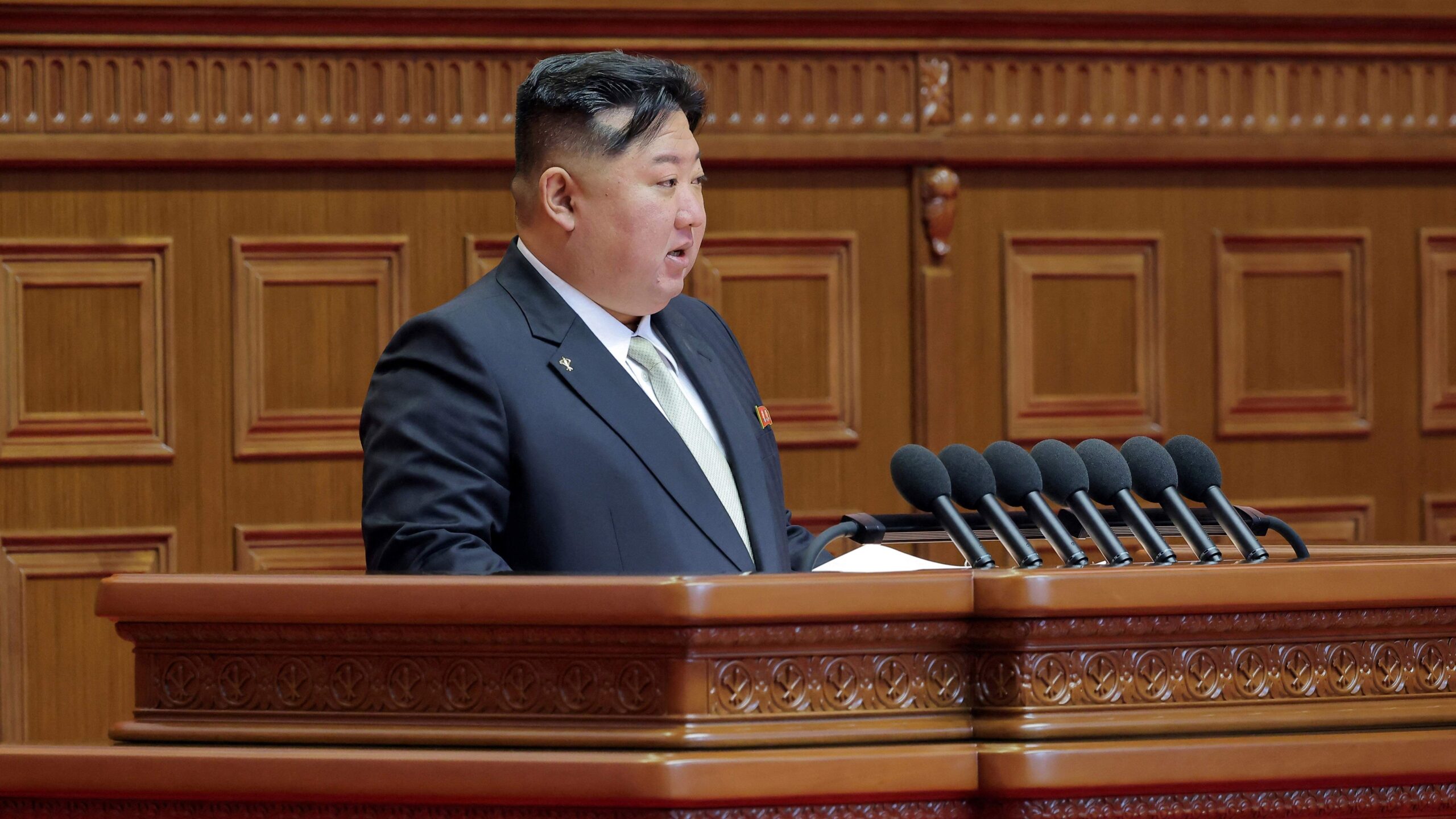
North Korean leader Kim Jong Un has been officially re‑elected as the general secretary of the Workers’ Party of Korea, solidifying his position at the helm of the country’s political and military hierarchy. State media reports have highlighted the unanimous support for Kim during the party congress, portraying the move as a reaffirmation of his leadership and vision for the nation’s future.
The reelection comes amid ongoing domestic and international scrutiny of North Korea’s policies, including its nuclear programme and economic initiatives. North Korean outlets have framed Kim’s return to power as a mandate to strengthen the country’s military capabilities, expand industrial development, and pursue strategic initiatives aimed at maintaining national sovereignty. Analysts note that this reaffirmation is a clear signal to both domestic audiences and the international community that Kim remains firmly in control of the party and state apparatus.
State-run media coverage emphasizes Kim’s role in guiding the country through past challenges and credits him with stabilizing the nation’s political and economic systems. Reports have lauded his leadership as visionary and assertive, underscoring his continued influence over policy decisions, defence strategies, and diplomatic engagement. Observers say this narrative serves to consolidate loyalty among the elite and reinforce the centralized authority of the leadership.
The reelection also carries symbolic significance, highlighting continuity within North Korea’s governance structure and signaling that major strategic directions — including military readiness and national development plans — will remain under Kim’s guidance. Analysts suggest that this could impact regional security dynamics, particularly in East Asia, as North Korea continues to assert its presence on the international stage.
Kim’s leadership style, often described as highly centralized and uncompromising, has allowed him to maintain control over the party and state institutions. The party congress, which culminated in his reelection, was accompanied by speeches and reports celebrating his accomplishments and laying out plans for future development, demonstrating the regime’s focus on portraying strength and unity.
While global observers watch closely for any shifts in policy or international posture, the reelection reinforces the perception of North Korea as a tightly controlled, leader-centric system. It also underscores the country’s determination to project stability internally and resilience externally, despite ongoing geopolitical pressures and economic challenges.
With his grip on power reaffirmed, Kim Jong Un is expected to continue driving North Korea’s domestic and foreign agenda, maintaining the strategies that have defined his leadership while reinforcing the image of unwavering authority both at home and abroad.





+ There are no comments
Add yours