







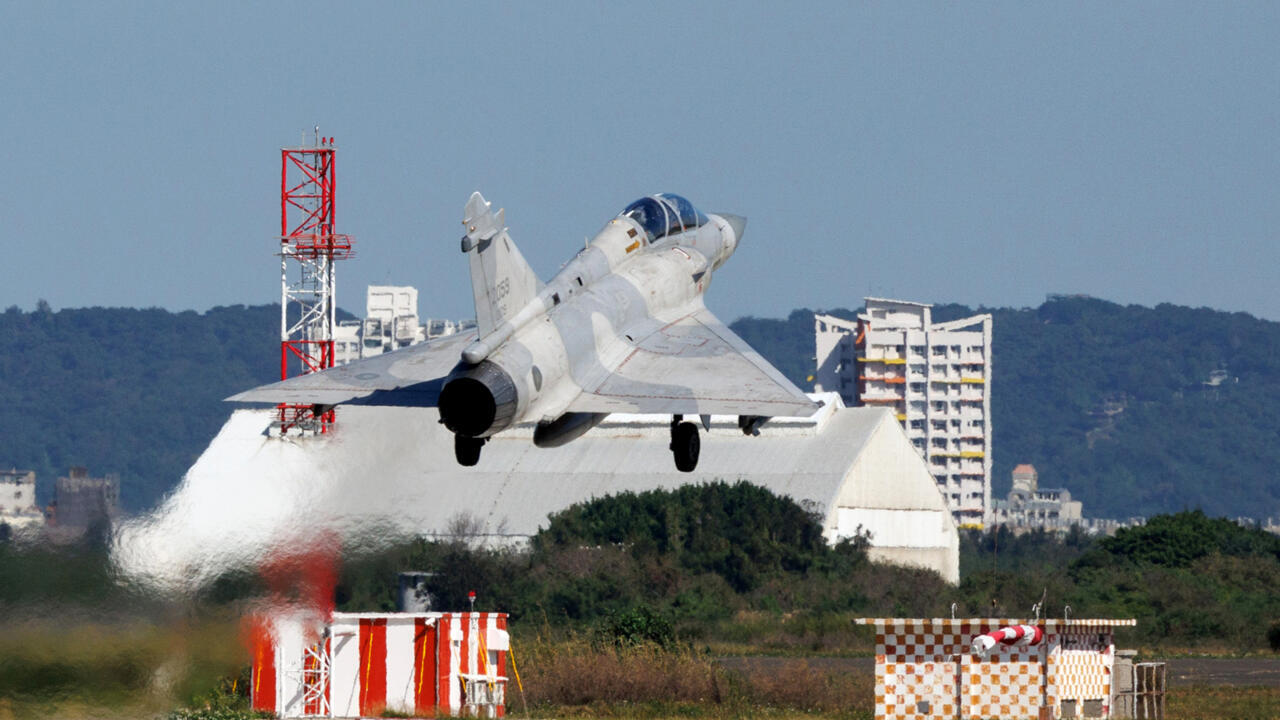
China has launched large-scale military exercises around Taiwan, intensifying regional tensions and drawing international concern over the stability of the Asia-Pacific. The drills, described by Beijing as routine “combat readiness exercises,” involve naval fleets, fighter jets, and missile systems, simulating scenarios of surrounding and isolating the island. Authorities in Taiwan have placed their armed forces on high alert and are monitoring Chinese maneuvers closely.
The exercises come amid heightened friction between Beijing and Taipei, which China regards as a breakaway province, despite Taiwan’s decades-long self-governance. Officials in Taipei have condemned the drills as provocative acts that threaten peace and security in the region. “These actions are destabilizing and undermine the region’s trust,” a Taiwanese defense spokesperson said. “We are closely tracking all activities and remain ready to respond to any threat.”
International reactions have been swift. The United States and several European allies have called for restraint, emphasizing the importance of maintaining peace across the Taiwan Strait. Analysts warn that the scale and intensity of the drills signal Beijing’s intent to demonstrate military capability and send a warning against any moves toward formal Taiwanese independence. Regional neighbors, including Japan and South Korea, have expressed concern that prolonged tensions could disrupt trade, travel, and security cooperation in East Asia.
Experts note that such exercises have both strategic and symbolic significance. Militarily, they test the coordination and readiness of China’s armed forces, including joint operations between the navy, air force, and missile units. Diplomatically, the timing of the drills sends a clear message to Taipei and foreign powers involved in the region, underlining China’s growing influence and willingness to assert its territorial claims.
The drills have also caused disruptions to regional shipping and air traffic, with temporary flight reroutes and increased monitoring of sea lanes. Economists warn that prolonged military activity in the area could affect trade flows, impacting global supply chains, particularly in electronics and semiconductors.
As tensions rise, world leaders continue to monitor the situation closely, urging dialogue and restraint while acknowledging the strategic sensitivity of Taiwan’s position. Analysts predict that the coming weeks will be crucial in determining whether these exercises remain symbolic displays of power or escalate into a more serious confrontation in the region.




+ There are no comments
Add yours