







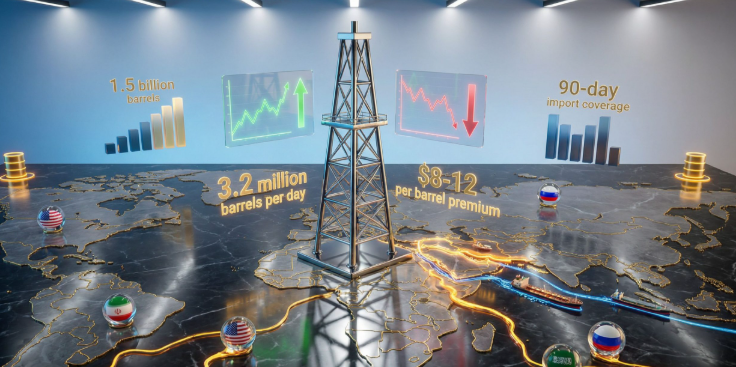
Global commodity markets experienced significant volatility today as precious metals and oil prices swung in response to geopolitical developments and economic signals. Silver and gold, which had recently reached multi-month highs, fell sharply, while crude oil prices rose following renewed geopolitical tensions and supply concerns. Analysts say these movements reflect ongoing uncertainty in international markets and shifting investor sentiment.
Silver and gold had surged in recent weeks, driven by expectations of potential interest rate cuts and a flight to safe-haven assets amid global economic uncertainty. However, today’s decline was attributed to profit-taking by investors and adjustments in trading positions after the recent rally. Market participants noted that fluctuating currency values and regional economic news contributed to the sharp swings, highlighting the sensitivity of precious metals to global financial conditions.
Meanwhile, crude oil prices rose after a brief cooling period, fueled by concerns over supply disruptions and geopolitical tensions in key oil-producing regions. Analysts warn that even minor disruptions or policy announcements can trigger significant price movements, affecting energy markets and global inflation expectations. Rising oil prices can also have ripple effects on transportation, manufacturing, and consumer goods, impacting economies worldwide.
Experts point out that the current market behavior underscores the interconnected nature of global commodities. Investors and traders are closely monitoring developments in major economies, central bank policies, and regional geopolitical issues, which continue to influence market volatility. Financial advisors caution that short-term fluctuations are likely to continue, making it crucial for investors to assess risk and diversify portfolios carefully.
As precious metals and oil prices continue to fluctuate, industries dependent on these commodities are preparing for potential impacts on production costs and investment strategies. Governments and central banks are also paying attention, as these market shifts can influence economic planning, inflation control, and international trade dynamics.
The coming weeks are expected to remain turbulent for commodities markets, with investors and policymakers alike keeping a close watch on developments that could further sway prices. Analysts say that understanding the factors behind these fluctuations is essential for making informed economic and investment decisions in a rapidly changing global landscape.









+ There are no comments
Add yours