





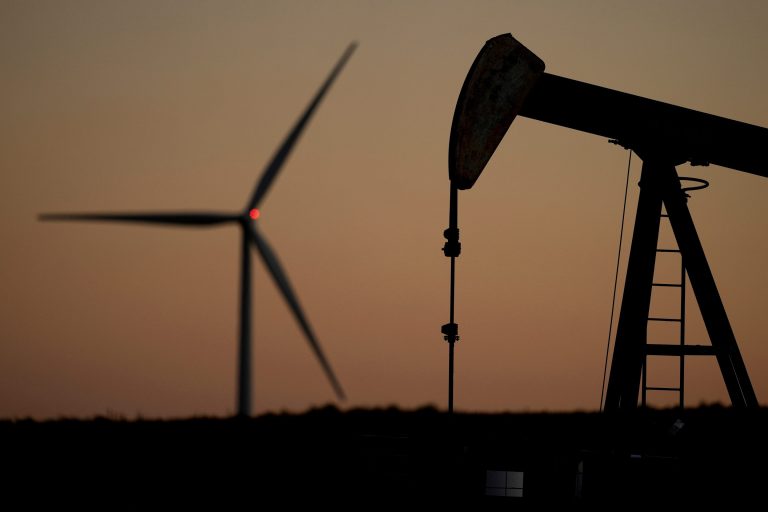
The global energy landscape is entering a critical turning point, and according to a new warning from the International Energy Agency (IEA), the world is dramatically unprepared for the massive surge in electricity demand expected over the next decade. What was once a challenge confined to emerging markets is now spreading rapidly across advanced economies—including the U.S., Europe, and major parts of Asia—putting unprecedented pressure on power grids, investment systems, and policymakers.
In its latest analysis, the IEA cautions that rising electricity needs driven by AI, data centers, digitalization, electric vehicles (EVs), and clean energy technologies are accelerating much faster than global infrastructure can support. If governments fail to act urgently, the world could face supply disruptions, pricing shocks, and weakened climate progress.
A Global Electricity Crunch Is Looming
For years, the conversation around electricity shortages was largely focused on developing nations struggling to build basic power infrastructure. But the IEA now warns that even the most advanced economies are heading toward a severe electricity crunch, with consumption projected to spike dramatically.
What’s Driving the Surge?
The report identifies several megatrends fueling this unprecedented rise:
Explosive growth of AI and data centers—A single large data center can consume more electricity than a small city.
Mass adoption of electric vehicles—EV charging is raising residential and commercial power demand.
Rapid electrification of heating and industrial processes—Countries moving away from fossil fuels are shifting to electricity-dependent systems.
Climate change—Extreme heat and cold are dramatically increasing the use of air conditioning and heating.
Growing digital infrastructure—From cloud storage to cryptocurrencies, digital power demand is skyrocketing.
The IEA notes that electricity consumption from AI alone could triple by the early 2030s, while data centers globally may require more energy than Japan consumes today.
Advanced Economies Are Now Under Pressure Too
In a stark shift from previous years, the IEA emphasizes that the electricity demand problem is “no longer limited to emerging and developing economies.”
Countries now facing strain include:
United States — where AI, crypto mining, and electrification are stressing regional grids
European Union — facing rising winter heating loads and accelerating climate targets
South Korea & Japan — coping with industrial electrification and data center growth
China — balancing economic expansion with clean energy transitions
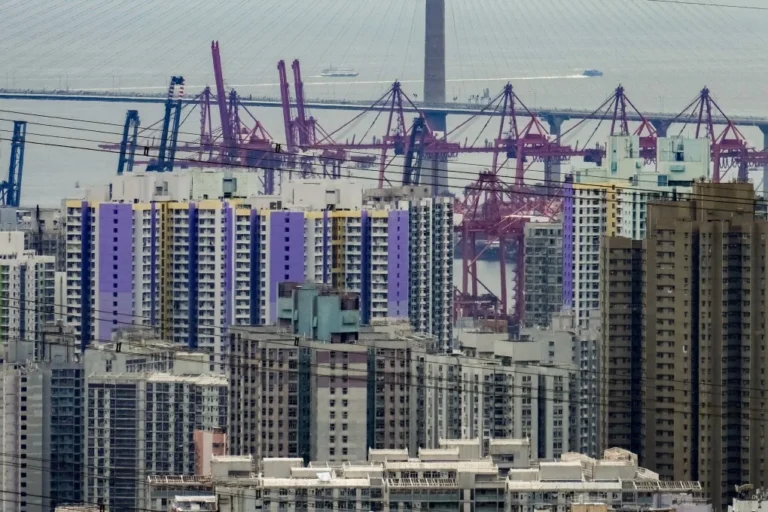
These regions were once considered energy-secure, but the new demand wave is forcing them to confront the same challenges once attributed to developing nations: capacity shortages, outdated grids, and underinvestment.
A Gap Between Clean Energy Goals and Infrastructure Reality
Governments worldwide have announced ambitious plans to electrify transportation, homes, and industries to meet climate targets. But according to the IEA, the infrastructure required to support this clean-energy transition is lagging dangerously behind.
Key infrastructure gaps include:
Insufficient grid expansion and modernization
Slow permitting for renewable energy projects
Underbuilt transmission lines
A lack of flexible backup sources (like battery storage and hydropower)
Outdated regulatory frameworks
Supply chain bottlenecks in transformers, batteries, and grid components
The IEA warns that without urgent upgrades, countries risk building EVs and heat pumps that have no reliable electricity to power them.
A Warning for Policymakers: ‘Act Now or Fall Behind’
The IEA’s warning is one of the strongest it has issued in recent years. The agency stresses that urgent government action is needed to expand generation capacity, modernize grids, and accelerate clean energy investments.
Its recommendations include:
1. Massive Grid Expansion
Global grids need to double in size by 2040 to meet demand and climate goals.
2. Faster Renewable Energy Deployment
Solar, wind, and nuclear must scale at record speed to stabilize power supply.
3. Strengthening Electricity Storage
Battery capacity must increase sharply to balance intermittent renewables and peak demand.
4. Preparing for AI and Digital Power Loads
Governments and utilities must implement forecasting, efficiency standards, and special tariffs for data centers.
5. Modernized Regulatory Frameworks
Outdated rules must be replaced with systems that incentivize clean energy, grid resilience, and flexibility.
The IEA warns that delaying action will harden the global electricity bottleneck and lead to more blackouts, higher prices, and weaker economic growth.
Businesses Are Already Feeling the Heat
Major corporations—from tech giants to manufacturing companies—are reporting challenges securing reliable electricity amid soaring demand. Some regions are limiting new industrial connections, leading to:
Project delays
Higher operating costs
Reduced investment in certain markets
Tech companies in particular face mounting scrutiny. Data centers for AI, cloud computing, and digital services may become one of the largest consumers of global electricity within the next decade.
Electricity Prices Could Rise Sharply
With supply struggling to keep up, electricity prices may climb in several countries, affecting:
Households
Industries
Transportation systems
Digital services
The IEA notes that without intervention, price volatility—already visible in parts of Europe—could worsen globally.
Climate Goals at Risk if the Electricity Crisis Intensifies
Many nations’ climate policies rely on the assumption that clean electricity will be abundant and affordable. But if grid capacity and renewable expansion lag behind demand, emissions could rise rather than fall.
Possible consequences include:
More reliance on coal and natural gas
Slower adoption of electric technologies
Delayed closure of fossil fuel plants
Increased pressure on renewable supply chains
The IEA warns that the world could miss its 2030 climate targets without rapid action. A Global Wake-Up Call
The IEA’s message is clear and urgent: the world is not ready for the electricity surge that is rapidly approaching. What was once a localized challenge is now a global risk that threatens economic stability, digital progress, and climate ambitions.
To avoid a future defined by shortages, price spikes, and instability, governments must treat electricity infrastructure as a top national priority. The demand wave is coming fast—and as the IEA emphasizes, the time to prepare is now.










+ There are no comments
Add yours