





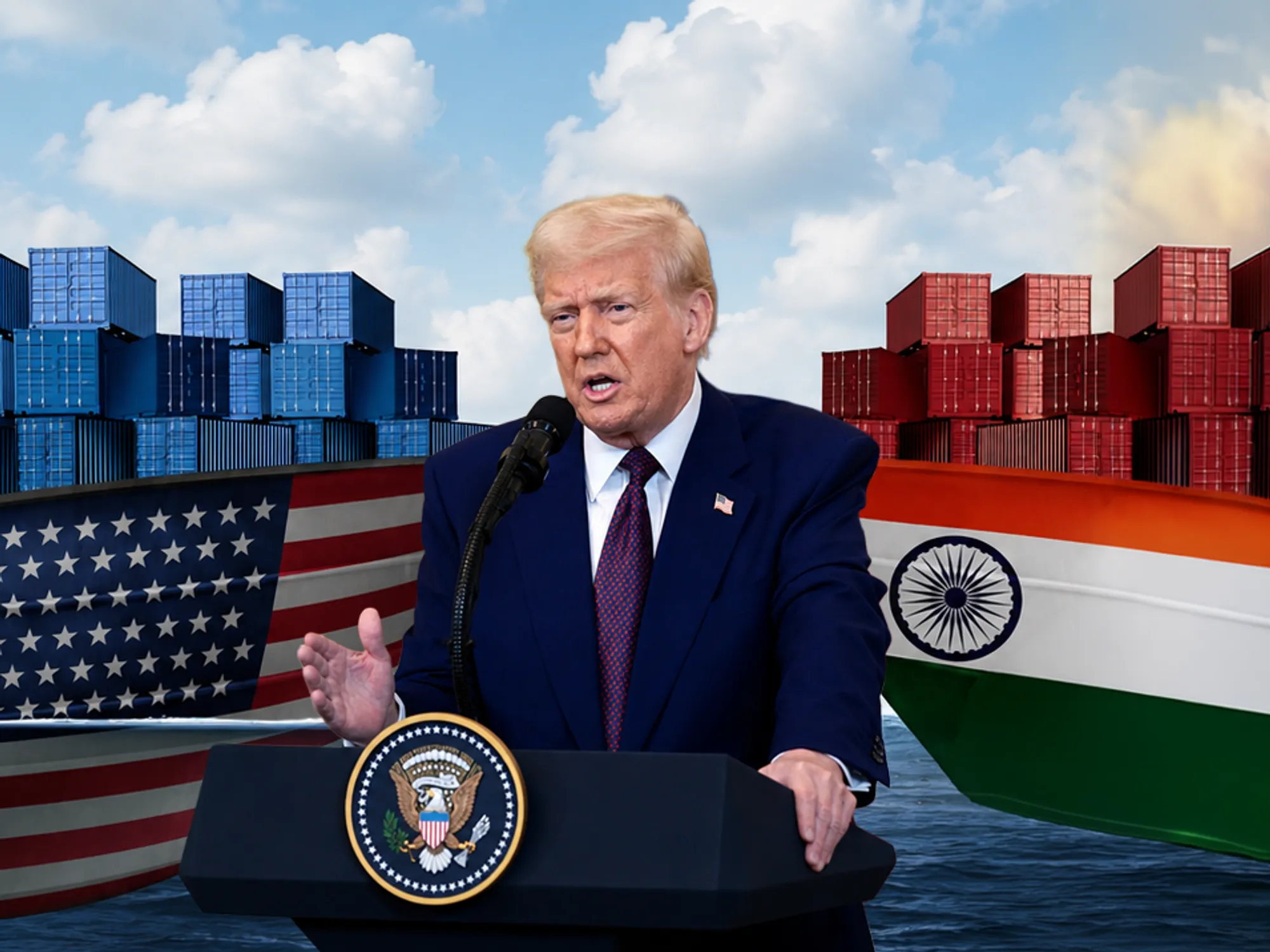
Washington’s latest trade offensive targets major economic partners as the Trump administration seeks to rebuild American manufacturing power, strengthen its negotiating position and challenge what it describes as unfair global industrial practices.
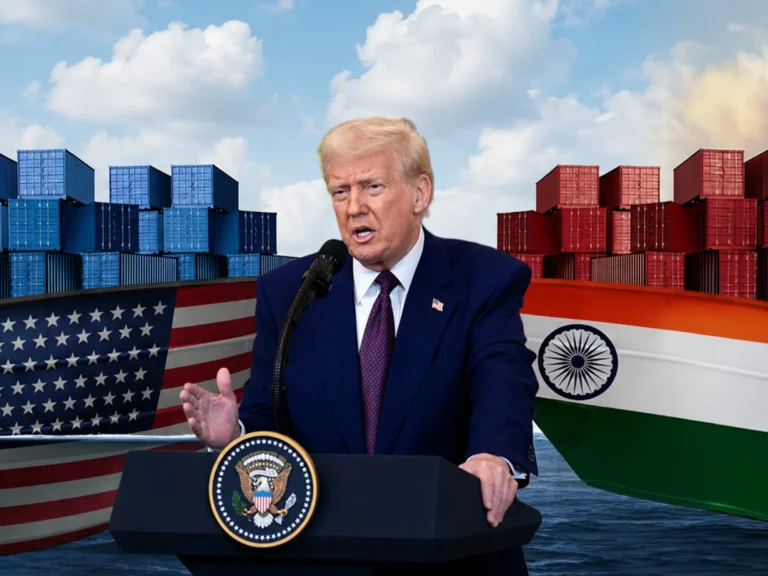
US President Donald Trump has intensified his administration’s global trade strategy by proposing a new wave of tariffs targeting 14 major trading partners, including China, India, Japan, Bangladesh, Vietnam and the European Union. The announcement marks another significant escalation in Washington’s economic confrontation with major manufacturing economies and raises fresh concerns about the future of international trade relations.
According to Reuters, the proposed measures follow an eight-month investigation conducted by the Office of the United States Trade Representative under Section 301 of the Trade Act of 1974. The investigation examined what Washington describes as structural excess industrial capacity, arguing that government subsidies, manufacturing policies and other market-distorting practices in several countries are creating unfair competition for American businesses.
China faces the most significant potential increase among the targeted economies. Under the current US-China trade arrangement, the proposed tariff cap is 20%, but the rate could rise to 40% if the existing trade truce expires without an agreement. Vietnam could face a 20% rate if negotiations succeed, compared with a potential 35% if an agreement is not reached.
Other countries are also facing proposed duties. Bangladesh, Cambodia, Indonesia, Malaysia and Thailand could face an 18% tariff cap, while Japan, South Korea, Taiwan, Switzerland and the European Union have negotiated or agreed to lower limits of approximately 15%. India could face a 17% rate if a trade agreement is finalised, while the rate could increase to 25% if negotiations fail.
The Trump administration argues that these measures are necessary to protect American manufacturing, strengthen domestic industries and prevent foreign governments from using industrial subsidies and other policies to gain an unfair competitive advantage.
However, the proposal is not yet a fully implemented tariff programme. The measures must pass through a public consultation process, with a hearing scheduled for January 25, 2027, before they can take effect. This gives affected countries an opportunity to challenge the allegations and negotiate with Washington.
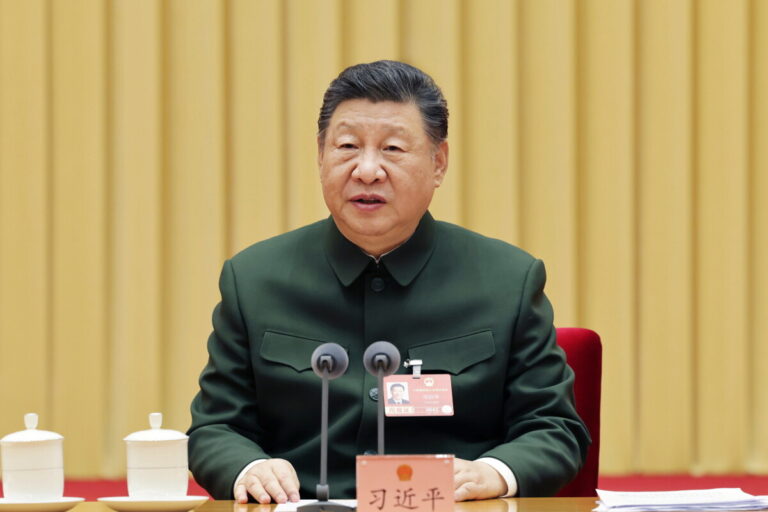
The announcement has placed renewed pressure on relations between Washington and Beijing. China has rejected accusations of industrial overcapacity, arguing that its manufacturing success reflects competitiveness rather than unfair government intervention. Chinese officials have also warned against using trade restrictions as a political tool, calling for greater stability in economic relations between the world’s two largest economies.
India also faces an important diplomatic and economic challenge. As one of the world’s fastest-growing major economies, the country has been expanding its manufacturing capabilities and strengthening international trade partnerships. A potential 25% tariff rate could affect Indian exporters, particularly businesses seeking greater access to the American market. Negotiations with Washington will therefore remain important for India’s commercial and strategic interests.
For Southeast Asian economies, the proposed measures create additional uncertainty. Vietnam, Bangladesh, Cambodia, Malaysia, Indonesia and Thailand have become increasingly important manufacturing and export centres. Many international companies rely on these countries for garments, electronics, machinery and other industrial products. Higher American import duties could influence investment decisions, production costs and global supply chains.
European governments are also watching developments closely. The European Union has questioned Washington’s industrial overcapacity arguments and insists that existing trade arrangements must be respected. Any further escalation could complicate cooperation between the United States and its traditional European partners.
Beyond diplomatic tensions, the proposed tariffs could have significant consequences for American consumers and businesses. Import taxes can increase the cost of foreign goods, potentially affecting everything from electronics and household products to industrial components and clothing. American manufacturers that depend on imported materials could also face higher production expenses.
The political implications are equally important. Trump’s tariff strategy has become a major issue in American economic debate, particularly as voters express concerns about living costs and the affordability of everyday products. Following Republican losses in the November midterm elections, the administration faces additional political pressure to demonstrate that its economic policies are delivering tangible benefits.
The latest announcement also highlights Trump’s broader approach to international diplomacy, in which trade negotiations and economic pressure are used as instruments of political influence. By introducing potential tariff increases while keeping lower rates available through negotiated agreements, Washington is seeking to encourage trading partners to make concessions.
As negotiations continue, the next several weeks could prove decisive for global trade relations. Governments will need to balance their economic interests with diplomatic relationships, while international businesses prepare for possible changes in export costs and manufacturing strategies.
The central question is whether Trump’s latest tariff initiative will produce stronger trade agreements and greater protection for American industries or trigger another period of international economic confrontation.
For now, the proposed measures have sent a clear message to global markets: trade policy remains one of the most powerful instruments of American economic and foreign policy, and Washington is prepared to use it to reshape its relationships with some of the world’s biggest trading partners.




+ There are no comments
Add yours