







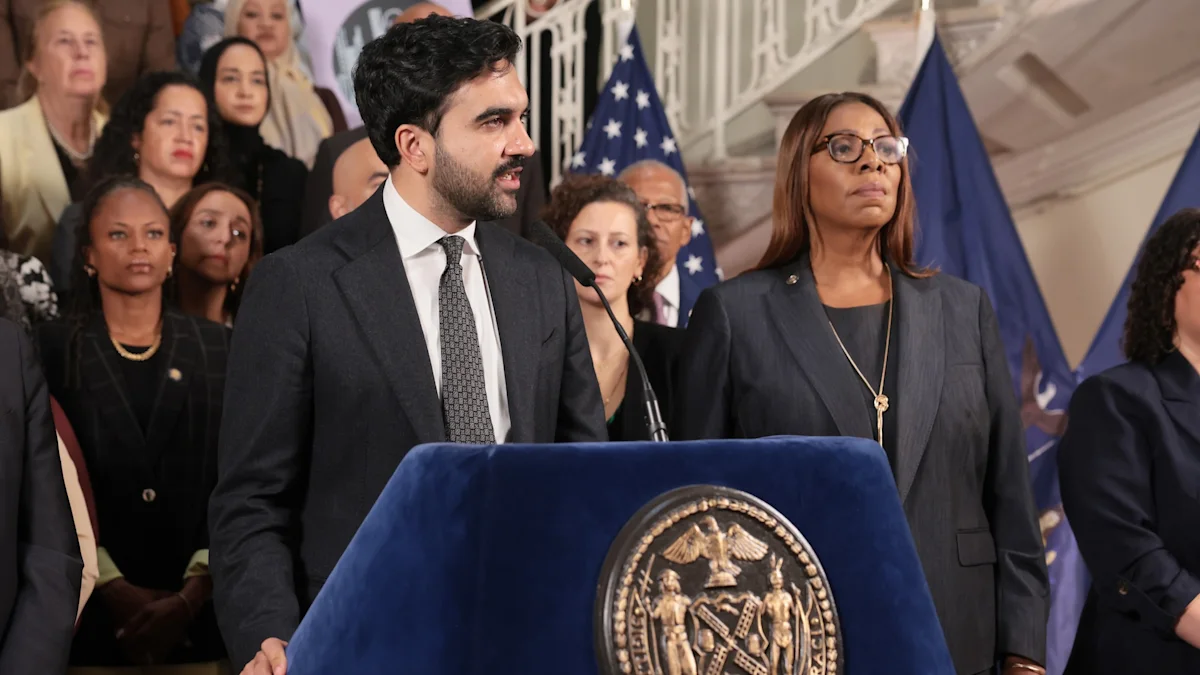
A landmark legal victory protects nearly one million rent-stabilized apartments from rent increases, strengthening Mayor Zohran Mamdani’s affordability agenda while intensifying concerns across the real estate industry.
New York City’s housing market has entered a significant new chapter after a Manhattan judge upheld Mayor Zohran Mamdani’s controversial rent-freeze policy, rejecting a legal challenge brought by landlords seeking to overturn the decision. The ruling represents a major victory for tenants struggling with rising living costs and another important development in the city’s ongoing battle over housing affordability.
The decision, delivered by New York State Supreme Court Justice Brendan Lantry on November 25, protects nearly one million rent-stabilized apartments across the city. These apartments represent a substantial portion of New York’s residential rental market, making the ruling one of the most closely watched housing developments for tenants, property owners and real estate investors.
At the centre of the dispute is Mamdani’s campaign promise to freeze rents for rent-stabilized apartments. The city’s Rent Guidelines Board approved the measure in June, introducing a zero-percent rent increase for both one-year and two-year lease renewals. The policy applies to eligible leases renewed between October 1, 2026, and September 30, 2027.
Landlords challenged the decision, arguing that the Rent Guidelines Board had not operated independently and that the mayor’s political influence had affected the outcome. They claimed the process was unfair because Mamdani had appointed board members who supported his housing agenda.
However, Justice Lantry rejected their arguments, finding insufficient evidence that the mayor had improperly influenced the independent board. The judge concluded that the landlords had failed to demonstrate that the decision was unreasonable, arbitrary or unlawful.
The ruling does not mean that the court considers the rent freeze economically beneficial for the entire housing industry. Instead, it establishes that the board acted within its legal authority and that political agreement between appointed members and the mayor does not, by itself, prove improper interference.
For millions of New Yorkers, the decision provides important financial relief. Rent has become one of the biggest household expenses in the city, forcing many residents to reconsider their living arrangements, reduce spending or move further away from employment centres. Keeping rent-stabilized housing costs unchanged during lease renewals could provide greater financial stability for families, elderly residents and lower-income households.
Mayor Mamdani welcomed the ruling, describing it as a victory for tenants and housing affordability. His administration has consistently presented the rent freeze as part of a broader effort to make New York more accessible to working people.
However, the decision has generated serious concerns among property owners and real estate industry representatives. Landlords argue that operating costs have increased considerably, particularly expenses related to building insurance, utilities, maintenance, repairs and property taxes. With rental income frozen, some owners fear that maintaining older residential buildings could become increasingly difficult.
The disagreement highlights a wider challenge facing major urban housing markets: balancing affordable accommodation for residents with the financial sustainability of privately owned rental properties.
For real estate investors, the ruling could influence decisions about purchasing, renovating and managing rent-stabilized buildings. Investors may become more cautious about properties where rental income cannot easily adjust to rising operating expenses. This could also affect the financial calculations behind future residential development and property investment in the city.
At the same time, the ruling may strengthen demand for housing options outside the rent-stabilized sector, particularly if residents continue searching for affordable accommodation in an increasingly competitive market. However, the broader impact will depend on future rental supply, construction activity, financing costs and housing policy decisions.
The landlords involved in the lawsuit are reviewing the judgment and may consider an appeal, leaving open the possibility of further legal developments.
Ultimately, the decision represents more than a legal victory for New York City’s mayor. It exposes the difficult choices confronting one of the world’s most influential property markets. As housing affordability becomes a growing concern in major cities worldwide, New York’s experience could offer important lessons for governments, investors, landlords and tenants.
The central question now is whether the rent freeze can provide lasting protection for residents without creating additional financial pressure on the city’s already complicated residential real estate market.








+ There are no comments
Add yours