








Rising international investor confidence, major infrastructure projects and growing demand for premium commercial properties are transforming Mumbai into an increasingly important destination for global real estate capital as Asia prepares for a new investment cycle in 2027.
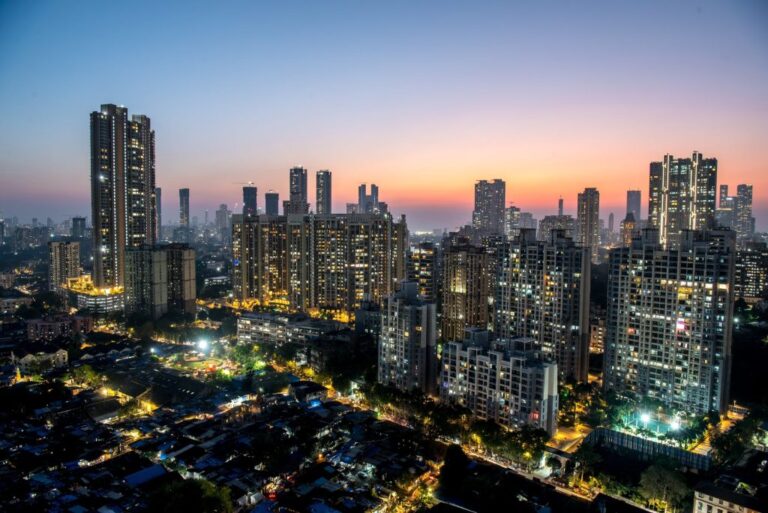
Mumbai is strengthening its position on the international property investment map after securing a place among Asia-Pacific’s top 10 preferred destinations for cross-border real estate investment in 2027. The development highlights growing international interest in India’s property sector and reflects a broader shift in how global investors are approaching opportunities across Asia.
According to Colliers’ 2027 Global Investor Outlook, Mumbai has entered the region’s leading group of preferred investment destinations alongside major property markets such as Tokyo, Osaka, Sydney, Melbourne and Singapore. Tokyo secured the leading position, followed by Osaka and Sydney, while Mumbai featured at number 10.
The recognition comes at a significant time for India’s real estate industry. Major cities are experiencing changing investment patterns as international institutions increasingly look beyond traditional office buildings towards residential developments, industrial facilities, logistics infrastructure, hospitality projects and data centres.
For Mumbai, the development represents more than international recognition. As India’s financial and commercial capital, the city has become an important centre for corporate headquarters, financial institutions, technology companies and international businesses. Its established commercial ecosystem, large population and expanding infrastructure are helping strengthen its appeal among property investors.
Infrastructure Development Strengthens Mumbai’s Investment Appeal
One of the major factors supporting Mumbai’s growing property investment appeal is its expanding infrastructure network. Large-scale transport and connectivity projects are changing how people and businesses move across the Mumbai Metropolitan Region.
The Mumbai Trans Harbour Link has improved connectivity between Mumbai and Navi Mumbai, creating new opportunities for residential, commercial and industrial development. The upcoming Navi Mumbai International Airport is also expected to play an important role in strengthening regional connectivity and supporting future economic activity.
Improved transport infrastructure can make previously less accessible locations more attractive to developers, businesses and property buyers. Areas connected to major roads, airports and transport networks often gain attention from investors seeking opportunities for future development and rental growth.
These developments could encourage greater interest in emerging commercial districts and residential locations outside traditional business centres. However, the long-term benefits will depend on how effectively infrastructure improvements are supported by employment opportunities, public services and planned urban development.
Global Investors Are Changing Their Property Strategies
The international property investment environment is also undergoing a significant transformation. Rather than investing exclusively in established buildings that generate stable rental income, investors are increasingly exploring properties that can be upgraded, redeveloped or repositioned to create additional value.
Colliers’ outlook indicates that approximately 60 per cent of planned real estate investment capital across Asia-Pacific in 2027 will be directed towards value-add and opportunistic strategies.
These approaches involve purchasing properties that have potential for improvement through renovation, redevelopment, better management or changes in their intended use. For investors, the objective is to increase the long-term value and income potential of an asset.
Higher financing costs have also encouraged more selective investment decisions. Buyers are paying closer attention to property quality, location, rental performance and future demand rather than assuming that every market will deliver strong returns.
This shift could create opportunities for Mumbai, particularly in locations where infrastructure development, commercial activity and demand for modern buildings are increasing.
Premium Office Spaces Continue to Attract International Capital
Commercial office properties remain an important part of India’s real estate investment market. During the first nine months of 2026, office properties accounted for 37 per cent of total real estate investment activity in India.
Mumbai, Bengaluru, Delhi-NCR, Hyderabad and Pune are expected to remain attractive destinations for investment in high-quality Grade A office buildings.
The growing presence of Global Capability Centres, multinational companies and financial institutions is supporting demand for modern workplaces. Businesses increasingly require buildings with advanced technology, efficient energy systems, sustainable facilities and convenient access to transportation.
However, investors are becoming more selective about the offices they acquire. Premium buildings in established commercial locations are expected to attract stronger interest, while older properties may require renovation or redevelopment to remain competitive.
This creates an important opportunity for developers and property owners willing to modernise existing commercial spaces.
Hospitality and Alternative Real Estate Are Emerging as Major Opportunities
Another important development is the growing interest in property sectors beyond traditional offices and residential buildings.
Investment in hospitality and alternative real estate assets in India increased approximately six to seven times during the first nine months of 2026 compared with the same period in 2025.
The hospitality sector is attracting attention as tourism, business travel and demand for accommodation continue to create opportunities in major Indian cities and popular destinations.
Alternative real estate investments include assets such as data centres and other specialised facilities that support modern economic activity.
Mumbai is particularly attracting interest in the data centre segment. Growing digital consumption, cloud computing, artificial intelligence and the expansion of large technology companies are increasing the need for reliable digital infrastructure.
Data centres require substantial electricity, connectivity and specialised facilities. Investors are therefore paying close attention to locations with access to reliable power and supporting infrastructure.
Across Asia-Pacific, 40 per cent of surveyed investors expressed a preference for acquiring powered land for data centre development, highlighting the growing importance of digital infrastructure in future property investment decisions.
What Investors Expect From Asia’s Property Market in 2027
The outlook for 2027 suggests that investors are becoming increasingly interested in markets capable of delivering sustainable rental growth and long-term economic development.
Around 66 per cent of Asia-Pacific investors surveyed by Colliers expect rental growth to have a positive impact on real estate investment decisions. Meanwhile, 53 per cent expect regional economic growth to support the property market.
These expectations indicate continued confidence in Asia’s long-term real estate potential, although investment decisions are likely to become more selective.
For India, this could create opportunities across multiple property categories, including commercial offices, residential developments, logistics facilities, hotels and digital infrastructure.
Mumbai’s inclusion among the region’s preferred investment destinations may also encourage greater international attention towards other major Indian cities. As investors examine opportunities across the country, infrastructure quality, business demand and the availability of investment-grade properties are likely to remain important considerations.
A New Chapter for India’s Real Estate Industry
Mumbai’s growing international profile reflects the changing direction of Asia-Pacific’s property investment market. The city is benefiting from its established financial position, infrastructure improvements and expanding opportunities across commercial and alternative property sectors.
However, attracting international capital is only one part of the challenge. The long-term success of Mumbai’s real estate market will also depend on affordable housing, sustainable urban planning, efficient transport systems and the ability to create opportunities that benefit a wider population.
For developers, investors and property owners, the changing investment environment presents both opportunities and challenges. High-quality buildings, modern infrastructure and properties capable of adapting to future business requirements are likely to receive increasing attention.
As global investors prepare their strategies for 2027, Mumbai’s entry into Asia-Pacific’s top 10 preferred cross-border property investment destinations sends an important signal about India’s growing position in the international real estate industry.
The next phase of growth will depend on whether the city can turn international investor confidence into sustainable development, stronger business activity and long-term economic opportunities.









+ There are no comments
Add yours