




Leaked Russian mortality records expose the devastating human cost of the invasion, raising serious questions about political accountability, military strategy and the future of President Vladimir Putin’s leadership.
Russia’s leadership is facing renewed international scrutiny following revelations that nearly 500,000 Russian military personnel may have died during the ongoing war in Ukraine. Newly analysed mortality records have exposed the enormous human cost of the invasion, highlighting the growing challenges facing the Kremlin as the conflict continues to reshape Russia’s military, economy and international position.
The findings offer an unusually detailed picture of the losses suffered by Russian forces since the beginning of the full-scale invasion in February 2022. For years, the Russian government has faced criticism for withholding comprehensive information about military casualties. The latest revelations provide a deeper understanding of the consequences of a war that has continued far longer than many initially expected.
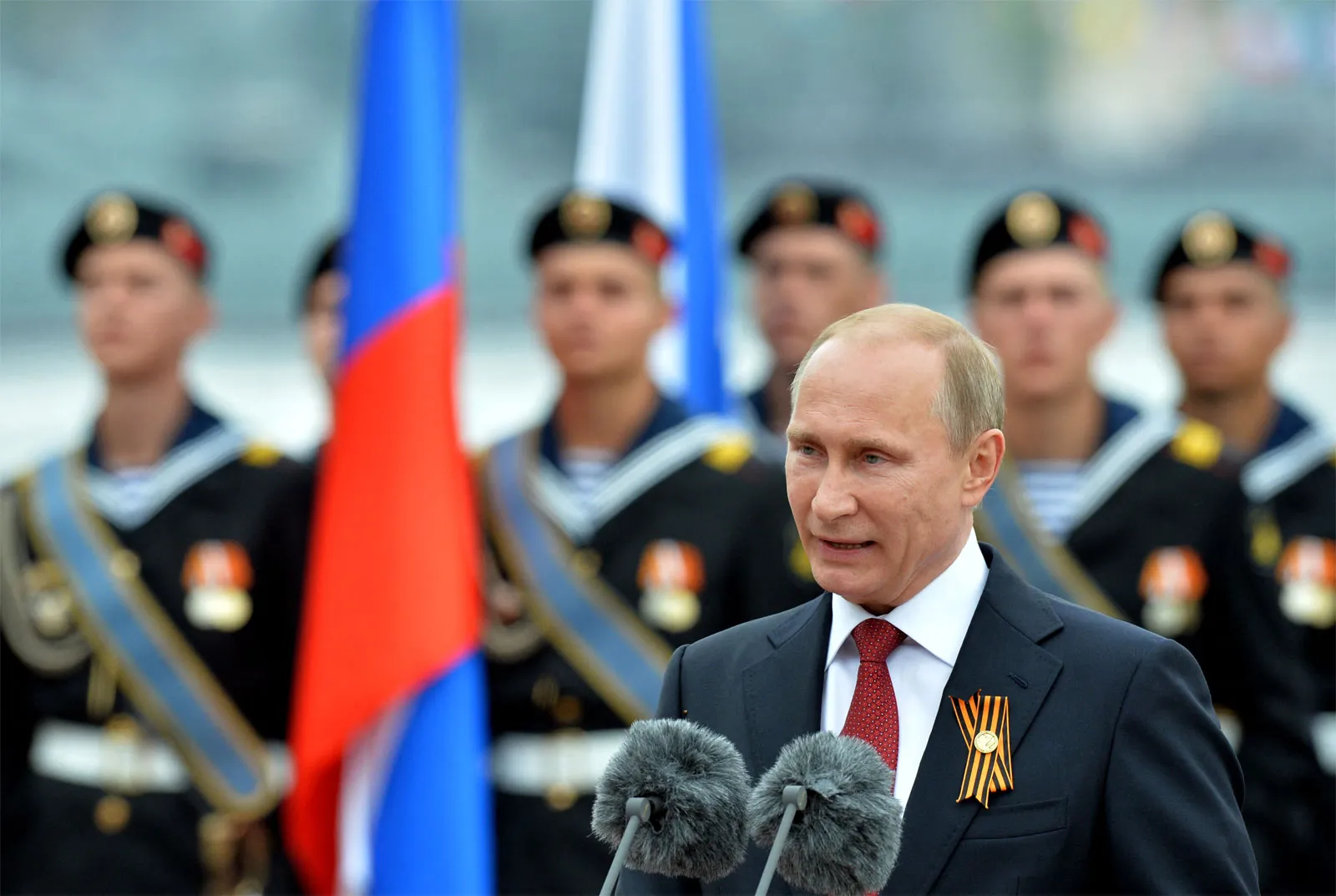
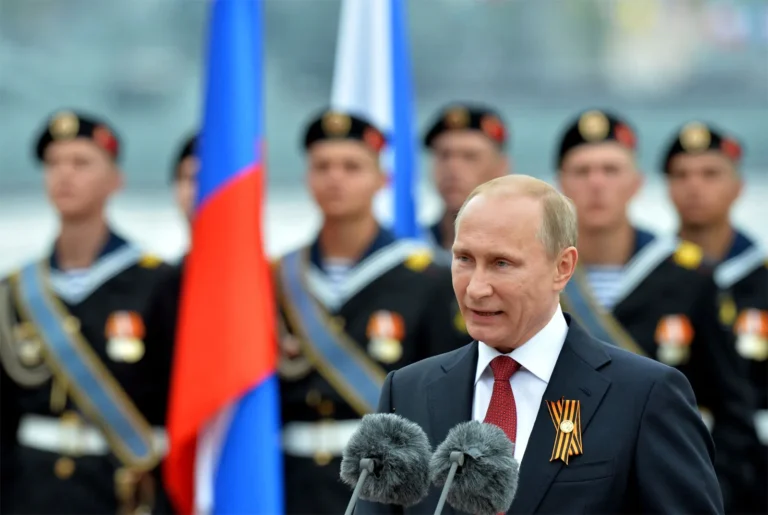
For President Vladimir Putin, the figures represent more than a military challenge. They raise fundamental questions about political leadership, national responsibility and the long-term consequences of decisions made at the highest levels of government.
The human cost of the conflict has become increasingly difficult to overlook. Behind every reported death is a family facing permanent loss, communities struggling with grief and individuals whose futures have been destroyed by the war. Thousands of Russian households have experienced the disappearance or death of family members, while many others continue waiting for information about relatives serving on the battlefield.
The impact is particularly concerning among younger generations. Russia has already been dealing with demographic pressures, including an ageing population and declining birth rates. The loss of large numbers of working-age men could create additional difficulties for the country’s future workforce, economic productivity and population growth.
The consequences may extend well beyond the immediate military situation. Industries that depend on skilled workers could face labour shortages, while families and local communities may struggle with the financial and emotional consequences of losing their primary earners. Rebuilding these communities will require more than financial assistance; it will demand long-term social and economic support.
Another troubling aspect of the reported losses is their unequal distribution across Russia. Poorer and more remote regions have experienced disproportionately high military casualties compared with wealthy urban centres such as Moscow and St Petersburg. This raises difficult questions about regional inequality and whether the burden of the war is being shared fairly among Russian citizens.
For communities already facing economic disadvantages, losing large numbers of young men can have consequences that last for generations. Local economies may weaken, families may become more financially vulnerable and opportunities for future development may decline. These challenges could eventually become an important domestic issue for Russian political leadership.
Putin’s government has consistently presented the invasion as a matter of national security and strategic necessity. However, the growing evidence of military deaths creates a difficult contrast between official political messaging and the personal experiences of ordinary families. As more information emerges, maintaining public confidence could become an increasingly complicated task.
Leadership during wartime requires difficult decisions, but it also demands transparency, responsibility and an understanding of the human consequences of political and military strategies. Governments are expected to protect national interests while considering the lives of the people they represent. The enormous reported death toll raises questions about whether Russia’s current approach can be sustained without creating deeper domestic problems.
The economic consequences are another major concern. Russia has redirected substantial resources toward military operations, defence production and national security. Although the country has demonstrated an ability to maintain military activity despite international sanctions, prolonged warfare places considerable pressure on public finances and economic priorities.
Money and resources directed toward the battlefield cannot simultaneously be used for schools, hospitals, infrastructure and other civilian needs. The longer the conflict continues, the more difficult it may become for the government to balance military ambitions with the everyday needs of its population.
Internationally, the revelations could further complicate Russia’s diplomatic position. Ukraine continues to resist Russian military operations, while Western governments remain involved in discussions about military assistance, economic sanctions and possible diplomatic solutions. The scale of Russian casualties may intensify international debate about the future direction of the conflict and the responsibilities of political leaders.
For Ukraine, the war has also brought enormous destruction, civilian suffering and military losses. Millions of people have experienced displacement, damaged infrastructure and uncertainty about their future. Any meaningful discussion about ending the conflict must recognise the human cost on both sides and the importance of protecting civilian lives.
Despite the growing evidence of Russian losses, there is no guarantee that the Kremlin will change its military strategy. Political leadership often faces difficult calculations during prolonged conflicts, particularly when national prestige, territorial objectives and international influence become closely connected. Acknowledging the full consequences of military decisions may also create political challenges for those responsible for them.
Nevertheless, the newly revealed mortality figures have added another layer of pressure to an already complicated situation. They have given families, journalists and international observers additional information about the scale of the conflict and its consequences for Russian society.
The future of Russia’s leadership will depend not only on developments at the front but also on how the government manages the growing social, economic and political consequences of the war. Public trust, national stability and international relationships could all be influenced by decisions made in the coming months and years.
Ultimately, the approaching figure of 500,000 reported military deaths represents a devastating human tragedy. It also raises a broader question about the meaning of leadership in modern international politics: whether power should be judged by military ambitions and territorial objectives or by the ability to protect citizens, maintain national stability and pursue lasting peace.
As the war continues, Russia faces a defining moment in its political history. The decisions made by its leadership today could influence not only the outcome of the conflict but also the country’s future for generations.






+ There are no comments
Add yours