






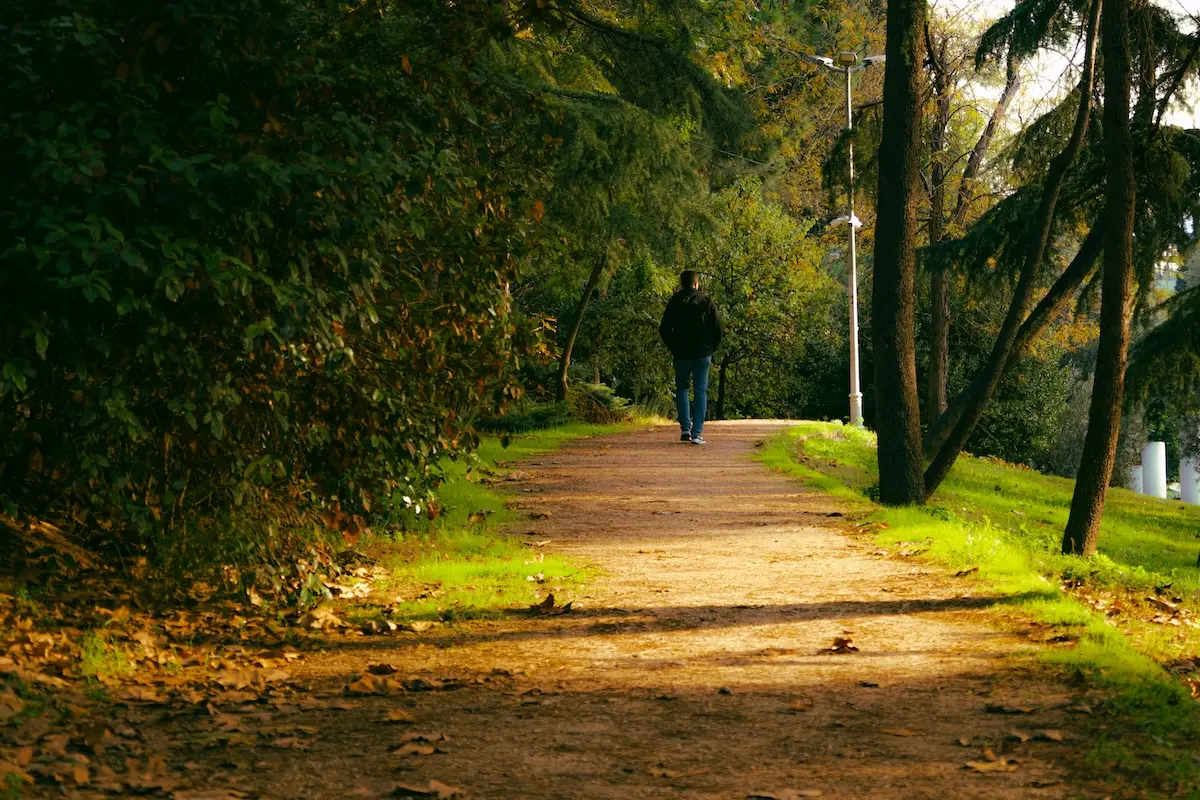
In a world dominated by smartphones, endless notifications and constant background noise, a surprisingly simple lifestyle movement is gaining attention: walking without music, podcasts or mobile phones. As people search for ways to escape digital overload, silent walking is emerging as a refreshing reminder that sometimes the greatest luxury is simply being present.
For years, going for a walk has often meant putting on headphones, selecting a favourite playlist or listening to the latest podcast. Even a peaceful stroll through a park has become another opportunity to consume digital content. But a growing interest in silent walking is challenging this habit, encouraging people to leave their devices behind and experience the world without constant distractions.
Unlike traditional fitness walks, silent walking is not necessarily about reaching a particular distance, burning calories or improving athletic performance. Its central idea is much simpler: walk without technological distractions and allow the mind to experience its surroundings naturally. The sound of birds, the movement of trees, the rhythm of footsteps and even the feeling of the wind become part of the experience.
The movement has gained visibility through social media, where lifestyle creators and wellness enthusiasts have been sharing their experiences of taking phone-free walks. For younger generations especially, the idea has become an interesting alternative to the constant stimulation of digital life.
The growing appeal comes at a time when people spend significant portions of their days looking at screens. From checking messages immediately after waking up to scrolling through social media before sleeping, digital technology has become deeply embedded in everyday routines. Although smartphones offer convenience and connection, the continuous flow of information can leave people feeling mentally exhausted.
Silent walking offers an opportunity to interrupt that pattern. Without notifications demanding attention, individuals can focus on their surroundings, observe small details and spend time with their own thoughts. Some people use these walks to reflect on personal decisions, while others simply enjoy the freedom of having nothing to listen to or respond to.
There may also be benefits for mental wellbeing. Research has repeatedly associated spending time in natural environments with lower stress and improved mood. A 2022 systematic review published in Molecular Psychiatry found that exposure to nature can have positive effects on mental health and wellbeing. Although silent walking itself is still an emerging lifestyle trend, combining gentle physical activity with time outdoors can offer a simple way to support a healthier daily routine.
Another interesting aspect of the movement is its accessibility. Unlike expensive wellness retreats, fitness memberships or specialised equipment, silent walking costs virtually nothing. People can practise it in neighbourhood streets, public gardens, beaches, forests or nearby parks. Even a short walk during a lunch break can provide a welcome change from the demands of work and digital communication.
However, silent walking does not mean rejecting technology completely. Mobile phones remain important for navigation, emergencies and personal safety. The idea is simply to reduce unnecessary distractions rather than disconnect from modern life altogether.
For some, the experience may initially feel uncomfortable. Without music or a podcast, familiar surroundings can suddenly seem unusually quiet, and thoughts that are normally pushed aside may become more noticeable. But that discomfort can also encourage people to become more comfortable with stillness and their own company.
As modern lifestyles become increasingly connected, the growing attraction of silent walking reflects a wider desire for balance. People are beginning to recognise that every free moment does not need to be filled with entertainment, information or conversation.
Perhaps the real appeal of this simple movement is not about walking farther or faster. It is about slowing down enough to notice what has been overlooked. In a world that rarely stops talking, choosing to walk in silence may be one of the simplest ways to rediscover the beauty of being present.









+ There are no comments
Add yours