






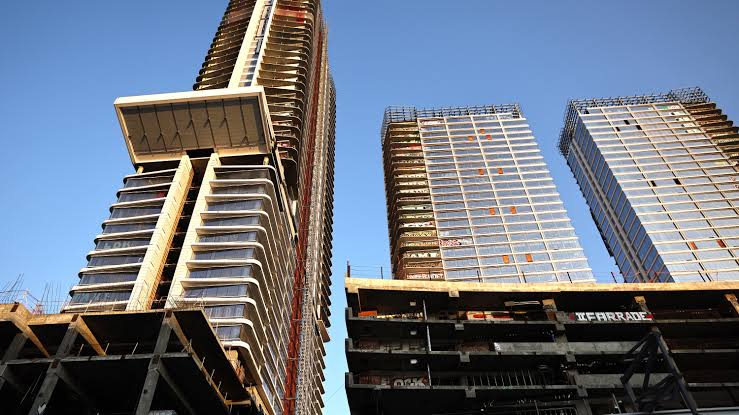
A growing divide is reshaping the US commercial property market as businesses compete for modern, high-end office spaces while older buildings struggle with vacancies, declining rents and an uncertain future.
America’s commercial real estate market is facing a dramatic transformation as ageing office buildings increasingly lose their appeal to businesses, creating a widening gap between premium properties and outdated workplaces. While modern skyscrapers equipped with advanced technology, attractive amenities and flexible working environments continue to attract corporate tenants, thousands of older buildings are struggling to remain competitive.
The changing landscape is exposing one of the biggest challenges facing property owners: office demand has not disappeared, but businesses are becoming far more selective about where they want their employees to work.
According to CommercialCafe’s November 2026 national office market report, the US office vacancy rate stood at 17.2% in October, declining by 1.4 percentage points compared with the previous year. However, the improvement has not been shared equally across the market. Premium Class A properties are attracting stronger demand, while older Class B buildings continue to face mounting pressure.
The difference is also visible in rental prices. Asking rents for Class A office properties increased by 2.5% over the past year, while rents for Class B buildings declined by 0.3%. The figures highlight how companies are increasingly prioritising quality, location, modern facilities and employee comfort when selecting office space.
For property owners, the consequences could be significant. Buildings constructed decades ago may require expensive renovations to compete with newer developments. Improvements to ventilation, energy efficiency, digital infrastructure, meeting facilities and shared amenities can demand substantial investment, creating additional financial pressure for landlords already dealing with empty floors and reduced rental income.
The situation is particularly challenging for owners of properties in locations where businesses have access to newer alternatives. As companies reconsider their workplace strategies, older offices without modern facilities risk being left behind, even in cities where the wider commercial property market is showing signs of recovery.
Major American business centres are experiencing different levels of pressure. San Francisco recorded one of the country’s highest office vacancy rates, reaching approximately 26.8% in October. By comparison, Manhattan maintained a much stronger position, with vacancy slightly above 10%, supported by demand for well-located commercial properties.
The growing preference for premium offices is also influencing investment decisions. Developers and property investors are increasingly focused on buildings that can meet the changing expectations of corporate tenants. Meanwhile, some outdated properties may face conversion into residential apartments, hotels, healthcare facilities or other uses if traditional office demand remains insufficient.
However, transforming an old commercial building is not always straightforward. Structural limitations, renovation expenses, zoning regulations and financing costs can make redevelopment difficult, leaving some properties facing an uncertain future.
The changing market also raises important questions about the future of American cities. Empty office towers can affect surrounding businesses, reduce activity in commercial districts and weaken local property markets. At the same time, successful redevelopment could create opportunities to introduce new housing, services and mixed-use communities.
America’s office property market is therefore entering a new phase in which location alone may no longer guarantee success. Buildings must offer the quality, technology and experience modern businesses expect.
For landlords, investors and developers, the message is becoming increasingly clear: the future of commercial real estate may belong to those willing to modernise, adapt and rethink what an office building should offer.


+ There are no comments
Add yours