





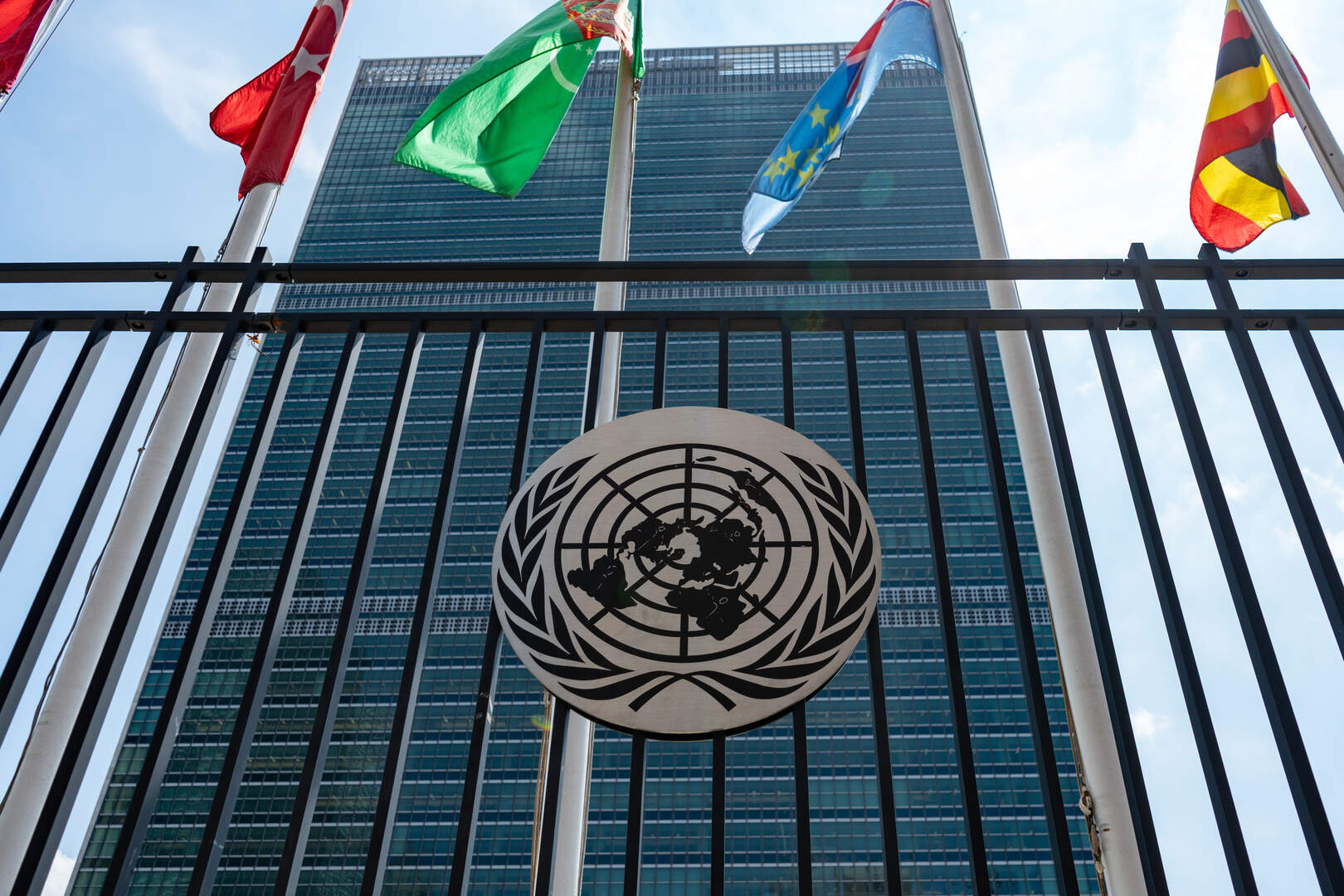
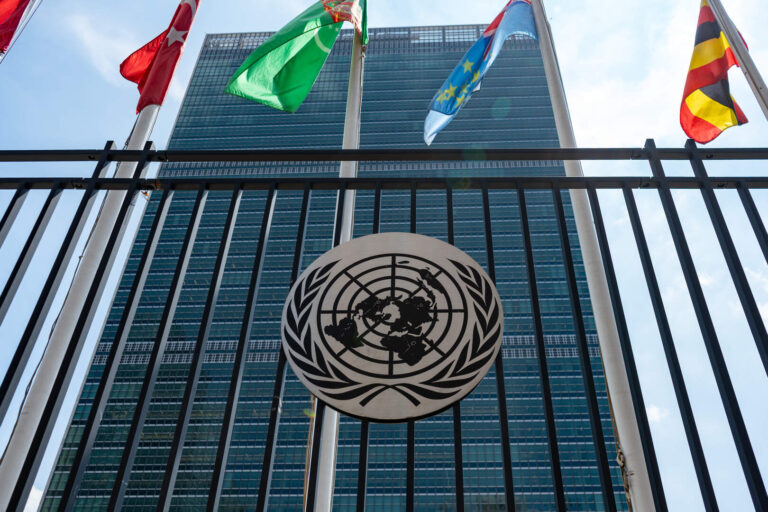
The world’s leaders are gathering at the United Nations on Tuesday as wars, geopolitical rivalries and mounting global challenges confront an international system already struggling to find common ground.
The General Debate of the 81st UN General Assembly begins September 22, bringing nearly 130 heads of state and government to New York. Under the theme “Restoring trust, managing transformation: A United Nations that delivers for all,” the gathering is intended to strengthen international cooperation at a moment when divisions between major powers are increasingly difficult to ignore.
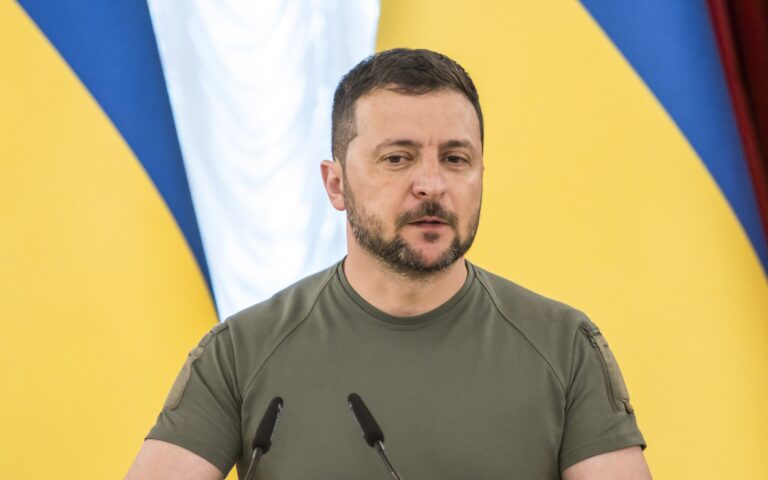
The immediate focus will be on conflicts that have reshaped global diplomacy. The war involving the United States and Iran has intensified tensions across the Middle East, while the Russia-Ukraine war continues without a diplomatic settlement. Ukraine’s President Volodymyr Zelensky is expected to meet U.S. President Donald Trump in New York, adding another closely watched encounter to a week filled with high-level diplomacy.
Gaza and the wider Middle East will also dominate discussions as governments debate security, humanitarian conditions and the future of the region. Iran’s Foreign Minister Abbas Araghchi has arrived in New York to lead Tehran’s delegation, creating opportunities for diplomacy even as Washington and Tehran remain deeply divided.
But the challenges facing the UN extend far beyond war. Climate disasters, economic uncertainty and the rapid development of artificial intelligence are forcing governments to consider problems that cannot be contained within national borders. The UN’s programme includes high-level discussions on climate action, sea-level rise, pandemic preparedness and AI governance.
At the same time, questions about the effectiveness of multilateral institutions are becoming harder to avoid. Diplomats speaking as the Assembly opens have described a world marked by uncertainty and a shifting geopolitical order, while concerns grow over whether international organisations can translate diplomacy into meaningful action.
The pressure is particularly significant for the UN, which is preparing for a leadership transition as Secretary-General António Guterres approaches the end of his term. His successor will inherit an organisation facing wars, financial pressures, technological disruption and renewed debate over its role in global affairs.
For the leaders arriving in New York, the stakes therefore extend beyond speeches at the General Assembly podium. The crucial question is whether diplomacy can produce practical cooperation when trust between governments is under such strain.
The UN may offer the world its biggest diplomatic stage this week. What happens beyond the speeches in private meetings, negotiations and agreements will determine whether that stage can still bring divided nations closer together.




+ There are no comments
Add yours