






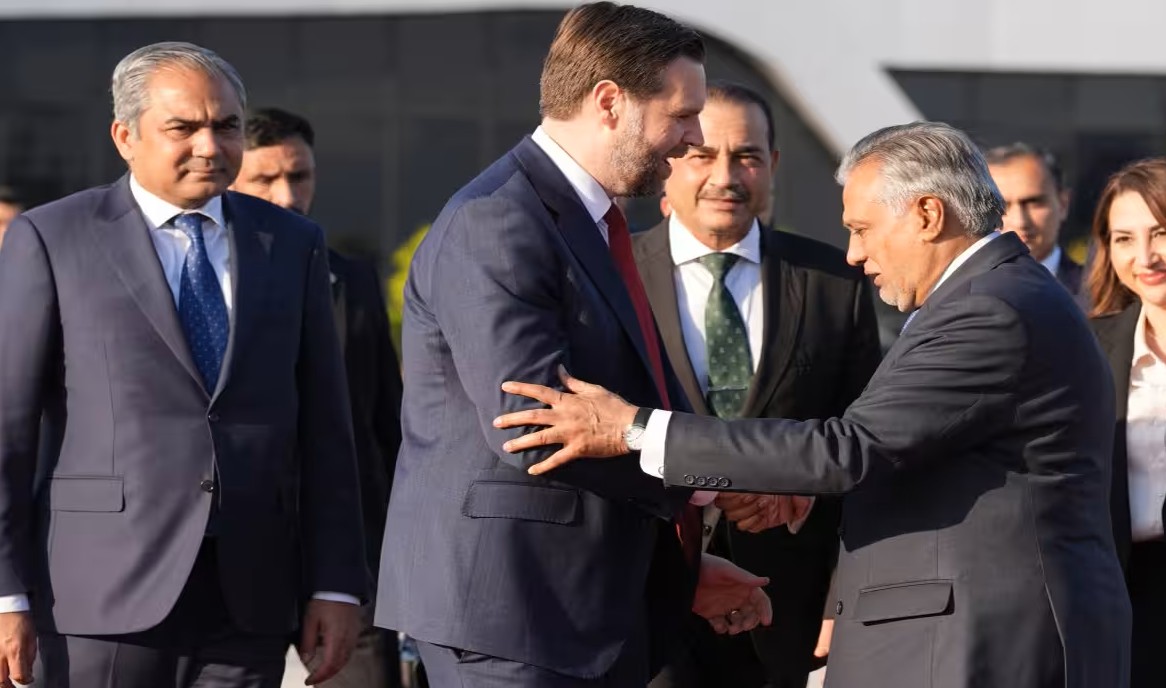
Pakistan has intensified its diplomatic engagement in the Middle East as Interior Minister Mohsin Naqvi arrived in Tehran for a crucial round of talks aimed at easing escalating tensions between the United States and Iran. The high-level visit comes at a sensitive moment for the region, with fears growing over the possibility of a broader confrontation that could destabilize energy markets and deepen geopolitical divisions across the Middle East.
Naqvi’s arrival in the Iranian capital signals Islamabad’s growing effort to position itself as a key diplomatic intermediary between Tehran and Washington. Pakistani officials are reportedly working behind the scenes to encourage renewed dialogue after months of military escalation, strained diplomacy, and rising uncertainty surrounding regional security. The visit is being viewed as part of a broader push by Pakistan to revive stalled negotiations and prevent further deterioration in relations between the two adversaries.
During his meetings with senior Iranian leadership, Naqvi is expected to discuss regional security, border cooperation, and the broader geopolitical situation affecting the Gulf region. Diplomatic observers believe Pakistan is attempting to build confidence between both sides while promoting a framework for future engagement. Tehran has consistently maintained that it remains open to diplomacy, but only if its sovereignty and security concerns are respected.
Pakistan’s mediation efforts have gained international attention in recent months as Islamabad increasingly adopts a more active foreign policy role. The country has sought to maintain balanced relations with Iran, Gulf Arab states, China, and the United States, carefully navigating complex regional rivalries while promoting stability. Officials in Islamabad believe that escalating tensions between Washington and Tehran pose serious risks not only to regional peace but also to global economic stability, particularly due to the strategic importance of the Strait of Hormuz.
The latest diplomatic initiative also reflects Pakistan’s broader ambition to emerge as a stabilizing force in international affairs. Analysts say Islamabad sees an opportunity to strengthen its global standing by facilitating dialogue at a time when traditional diplomatic channels between Iran and the United States remain fragile. The effort has reportedly received quiet support from several regional stakeholders who are concerned about the economic and security consequences of another major conflict in the Middle East.
Naqvi’s Tehran visit follows a series of recent diplomatic contacts involving Pakistani leadership and regional powers. Security cooperation, intelligence sharing, and border management are also expected to feature prominently in the discussions, particularly given the security challenges faced by both neighboring countries. Pakistan and Iran have experienced tensions along their shared border in recent years, but both sides have repeatedly emphasized the importance of cooperation and mutual respect.
The timing of the visit is especially significant as international concerns continue to grow over maritime security and disruptions to global trade routes. Any escalation involving Iran and the United States could have far-reaching consequences for oil supplies, financial markets, and regional alliances. Diplomats and analysts alike are closely monitoring whether Pakistan’s outreach can help reduce tensions and open space for renewed negotiations.
While expectations for an immediate breakthrough remain limited, Islamabad’s diplomatic push underscores its desire to play a constructive role during a period of heightened uncertainty. As talks continue in Tehran, attention will remain focused on whether Pakistan can successfully bridge differences between two deeply distrustful rivals and contribute to preventing another dangerous escalation in the Middle East.


+ There are no comments
Add yours