





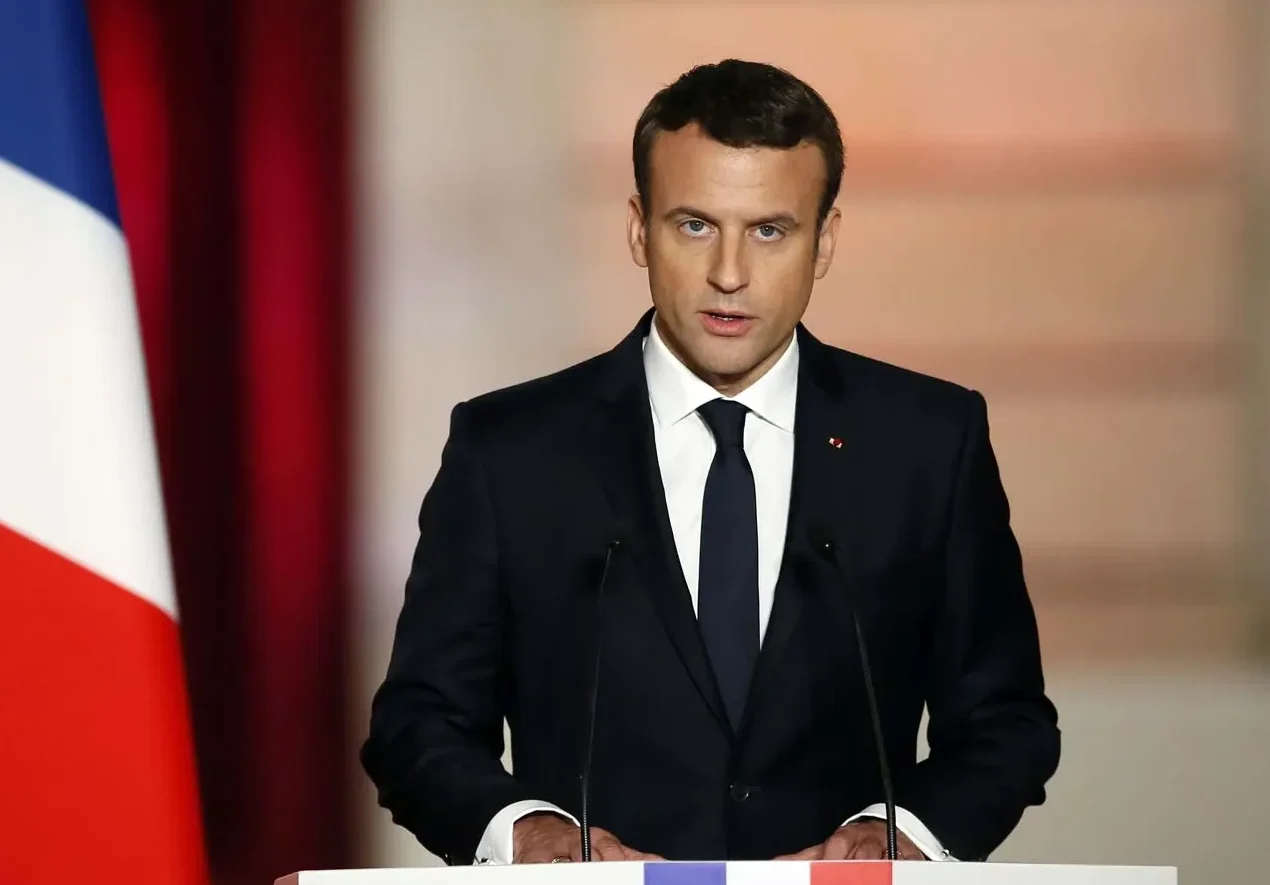
Emmanuel Macron is one of the most prominent political leaders in Europe, widely recognized for his influence on European Union policymaking, defense strategy discussions, and domestic economic reforms in France. Since taking office in 2017, Macron has positioned himself as a strong advocate for a more integrated and strategically independent Europe.
Macron’s political rise was rapid and unconventional. Before becoming president, he served as France’s Minister of Economy, Industry, and Digital Affairs, where he introduced pro-business reforms aimed at modernizing the French economy. In 2017, he founded the political movement “La République En Marche!” and won the presidency on a centrist, pro-European platform that challenged France’s traditional party system.
One of Macron’s defining priorities has been strengthening the European Union. He has consistently called for deeper cooperation among EU member states, particularly in areas such as defense, energy security, and economic policy. His vision emphasizes reducing Europe’s dependence on external powers and increasing collective strategic autonomy, especially in response to global geopolitical tensions.
In foreign policy, Macron has played an active role in addressing major international crises and maintaining dialogue with global powers. He has been involved in diplomatic efforts related to conflicts in Ukraine, tensions in the Middle East, and broader discussions about NATO’s future and European security frameworks. His approach often combines firm strategic positioning with attempts to keep diplomatic channels open.
Domestically, Macron’s presidency has been marked by significant economic reforms, including changes to labor laws, taxation, and public sector policies. Supporters argue that these reforms have improved France’s competitiveness and attracted investment, while critics say they have increased social inequality and triggered widespread protests, including the “Yellow Vests” movement that challenged parts of his economic agenda.
Macron’s leadership style is often described as technocratic and highly centralized, with a strong emphasis on efficiency and long-term planning. This has earned him both praise as a modernizing reformer and criticism for being disconnected from grassroots public concerns.
On the European stage, however, Macron remains one of the most influential voices shaping the direction of the EU. Whether through proposals for defense cooperation, digital regulation, or economic coordination, his policies continue to influence debates about the future of Europe.
As global challenges evolve, Emmanuel Macron is likely to remain a key figure in shaping not only France’s political trajectory but also the broader strategic direction of the European Union.

+ There are no comments
Add yours