






The United Nations is once again bringing the world’s most powerful leaders into the same room, but the gathering comes at a moment when international cooperation is under extraordinary strain. With wars continuing, geopolitical rivalries deepening and artificial intelligence rapidly reshaping global security and economies, this year’s UN summit is becoming a test of whether diplomacy can still deliver results in an increasingly divided world.
Nearly 130 heads of state and government are expected in New York for the UN General Assembly’s High-Level Week, with the formal General Debate beginning on September 22. The central challenge facing the gathering is not a shortage of crises, but the growing difficulty of finding common ground among countries with sharply competing interests.
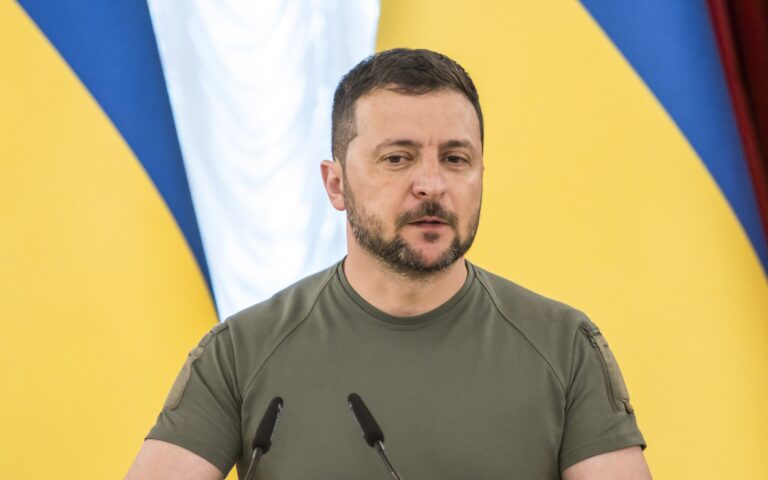
The wars in the Middle East and Ukraine are expected to dominate diplomatic discussions. Iran and the United States remain locked in a dangerous confrontation, while the wider Middle East continues to face instability. In Europe, the war in Ukraine remains unresolved, keeping relations between Russia and Western governments at the centre of international diplomacy. Reuters reported that Ukrainian President Volodymyr Zelenskiy and U.S. President Donald Trump are expected to meet in New York during the UN gathering.
But the summit is also confronting challenges that extend beyond traditional warfare. Artificial intelligence has become a major international policy issue, raising questions about security, accountability and how governments can manage rapidly advancing technology. The growing competition between major powers, particularly the United States and China, has made cooperation over emerging technologies increasingly important.
The UN itself is facing a moment of transition. Secretary-General António Guterres is due to leave office at the end of 2026, adding a leadership question to an already crowded diplomatic agenda. The search for his successor is unfolding as governments debate what role the organisation should play in a world where established alliances and power structures are changing.
Climate change, sustainable development and global health will also feature during the high-level meetings. Yet behind every discussion lies the same fundamental question: can countries with increasingly conflicting interests still find enough common ground to act collectively?
The answer will not be determined by speeches alone. The significance of this year’s gathering will ultimately depend on whether leaders can turn diplomatic declarations into cooperation on the conflicts and global challenges that are testing the international system. In New York, the world is not simply gathering to discuss its problems. It is confronting a larger question about whether multilateral leadership can still work when the world is so deeply divided.






+ There are no comments
Add yours