







Growing expectations that the US Federal Reserve could raise interest rates again are creating fresh uncertainty for the real estate market, with investors watching closely for signs that borrowing costs could remain elevated for longer.
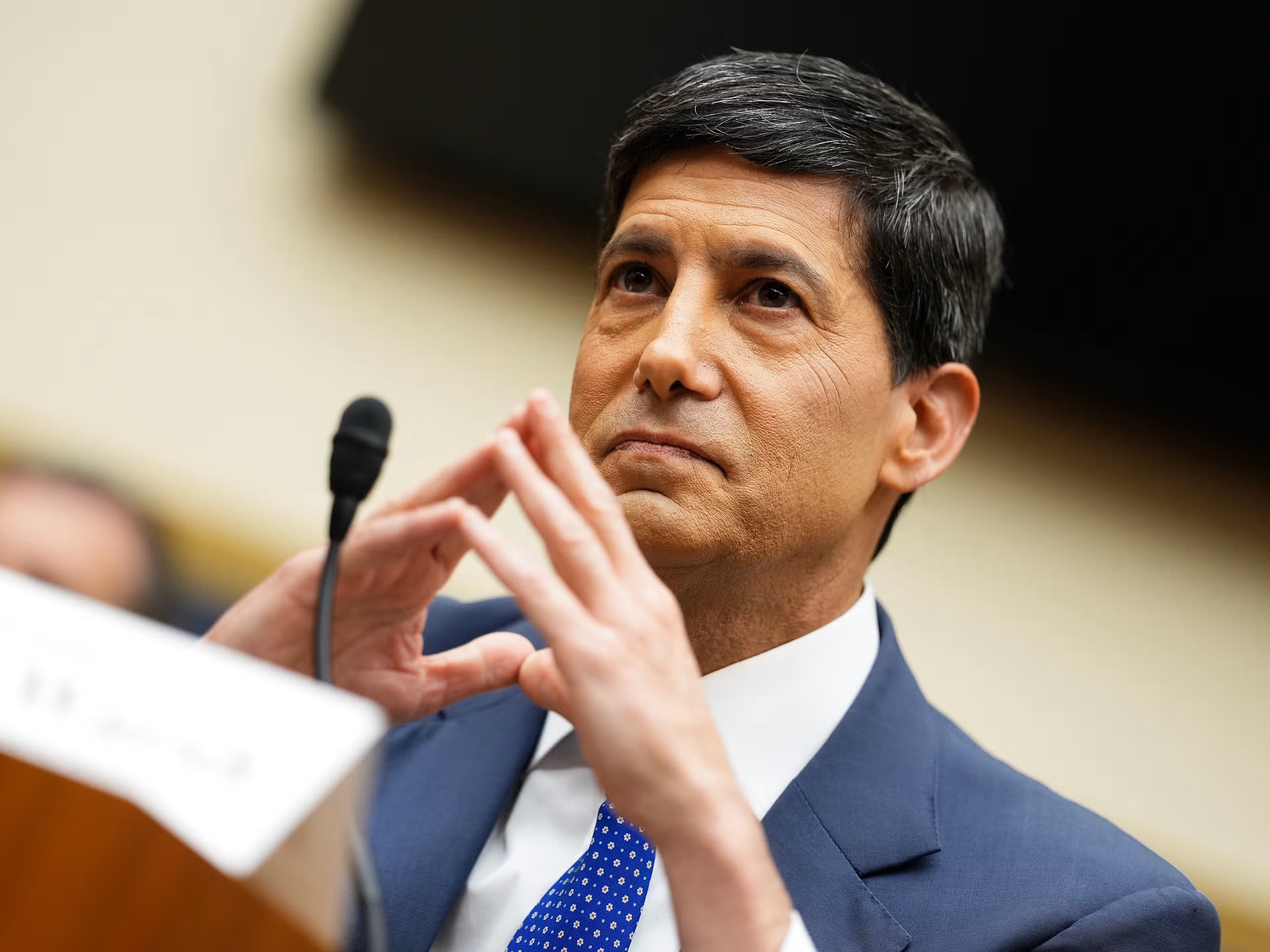
The renewed rate-hike speculation follows comments from Federal Reserve Chairman Kevin Warsh, who reiterated his commitment to bringing inflation under control during a closely watched speech on Friday. Financial markets have since increased their bets that the central bank could raise rates at its September meeting, although the outlook remains heavily dependent on upcoming employment and inflation data.
For the real estate industry, the prospect of higher interest rates is significant because property markets are highly sensitive to the cost of borrowing. When interest rates rise, mortgages and other forms of property financing generally become more expensive, potentially reducing the purchasing power of homebuyers and making it harder for investors and developers to finance new projects.
Higher borrowing costs can also put pressure on commercial real estate. Office buildings, retail properties, apartment complexes and other income-producing assets are frequently financed with debt. If loans need to be refinanced at higher rates, property owners may face substantially larger interest expenses, particularly for properties carrying significant debt.
The possibility of another rate increase could therefore encourage some investors to take a more cautious approach. Buyers may delay acquisitions while waiting for greater clarity about the direction of monetary policy, while sellers could face pressure to adjust asking prices if financing becomes more expensive and demand weakens.
The residential market could also feel the effects. Higher mortgage rates can discourage potential buyers, especially in markets where home prices are already elevated. Some homeowners may choose to remain in their existing properties rather than give up older mortgages with lower rates, potentially limiting the supply of homes available for sale.
At the same time, real estate does not necessarily move in one direction whenever rates change. Strong employment, limited housing supply and continued demand for rental properties can provide support for parts of the market. Some investors may also view real estate as an attractive long-term asset during periods of inflation, particularly when rents and property values remain resilient.
Much will depend on the economic data released in the coming weeks. A stronger-than-expected labor market or persistent inflation could reinforce expectations of higher rates, while signs of weakening economic activity could reduce pressure on the Federal Reserve to tighten monetary policy.
For property investors, developers and prospective homebuyers, the immediate challenge is uncertainty. Rather than simply focusing on whether the Fed raises rates in September, market participants are likely to pay close attention to how long borrowing costs could remain high.
The latest shift in rate expectations serves as a reminder that real estate markets remain closely tied to broader financial conditions. Until investors have a clearer view of inflation, employment and Federal Reserve policy, borrowing costs and property valuations are likely to remain under close scrutiny.









+ There are no comments
Add yours