







Iran has refused to back down over the strategically vital Strait of Hormuz as tensions with the United States intensify, while President Donald Trump urged Americans to accept higher gasoline prices as the conflict continues to disrupt global energy supplies.
Iranian Deputy Foreign Minister Kazem Gharibabadi said Tehran controlled the strait and called on Washington to acknowledge what he described as its defeat. Foreign Minister Abbas Araqchi also said Iran was not ready to resume negotiations unless the United States met its conditions concerning the waterway.
The standoff has sharply reduced shipping through the Strait of Hormuz, one of the world’s most important energy routes. Before the conflict, roughly one-fifth of global oil supplies passed through the narrow waterway. Recent attacks and security concerns have caused commercial traffic to slow dramatically, raising fears of further disruptions to international energy markets.
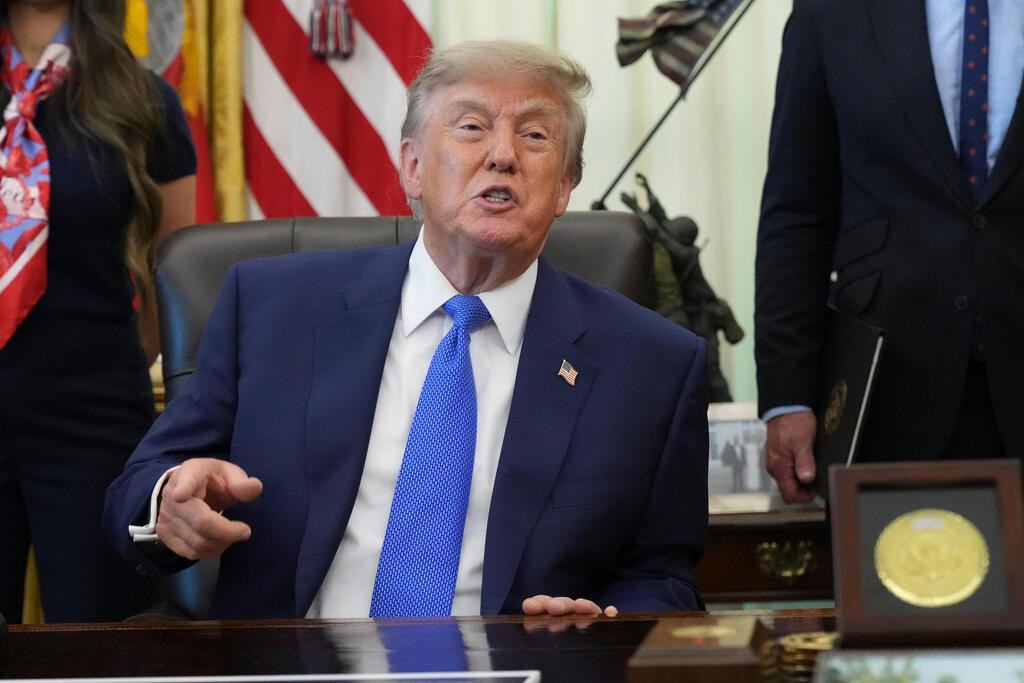
Trump, speaking at a political rally in New York on Friday, acknowledged that Americans were facing higher fuel costs but argued that the economic burden was necessary to prevent Iran from obtaining a nuclear weapon. The national average price of gasoline had risen to about $4.08 a gallon, around 29% higher than a year earlier, according to AAA.
Oil markets have also reacted to the worsening crisis. Brent crude rose $1.45 to $88.52 a barrel on Friday, while U.S. West Texas Intermediate gained $1.15 to $82.40. Both benchmarks were on track for significant weekly gains as traders assessed the risks to oil supplies and shipping.
The confrontation has also raised concerns about a broader regional escalation. Attacks on commercial vessels in and around the Gulf have increased pressure on governments and shipping companies, while diplomatic efforts to reopen the strait remain stalled.
For Iran, control over the waterway provides important leverage against U.S. pressure and sanctions. For Washington, reopening the strait remains critical to restoring energy flows and easing pressure on American consumers.
With neither side showing signs of retreat, uncertainty over the Strait of Hormuz is likely to remain a major factor for global oil prices, shipping and inflation in the weeks ahead.









+ There are no comments
Add yours