






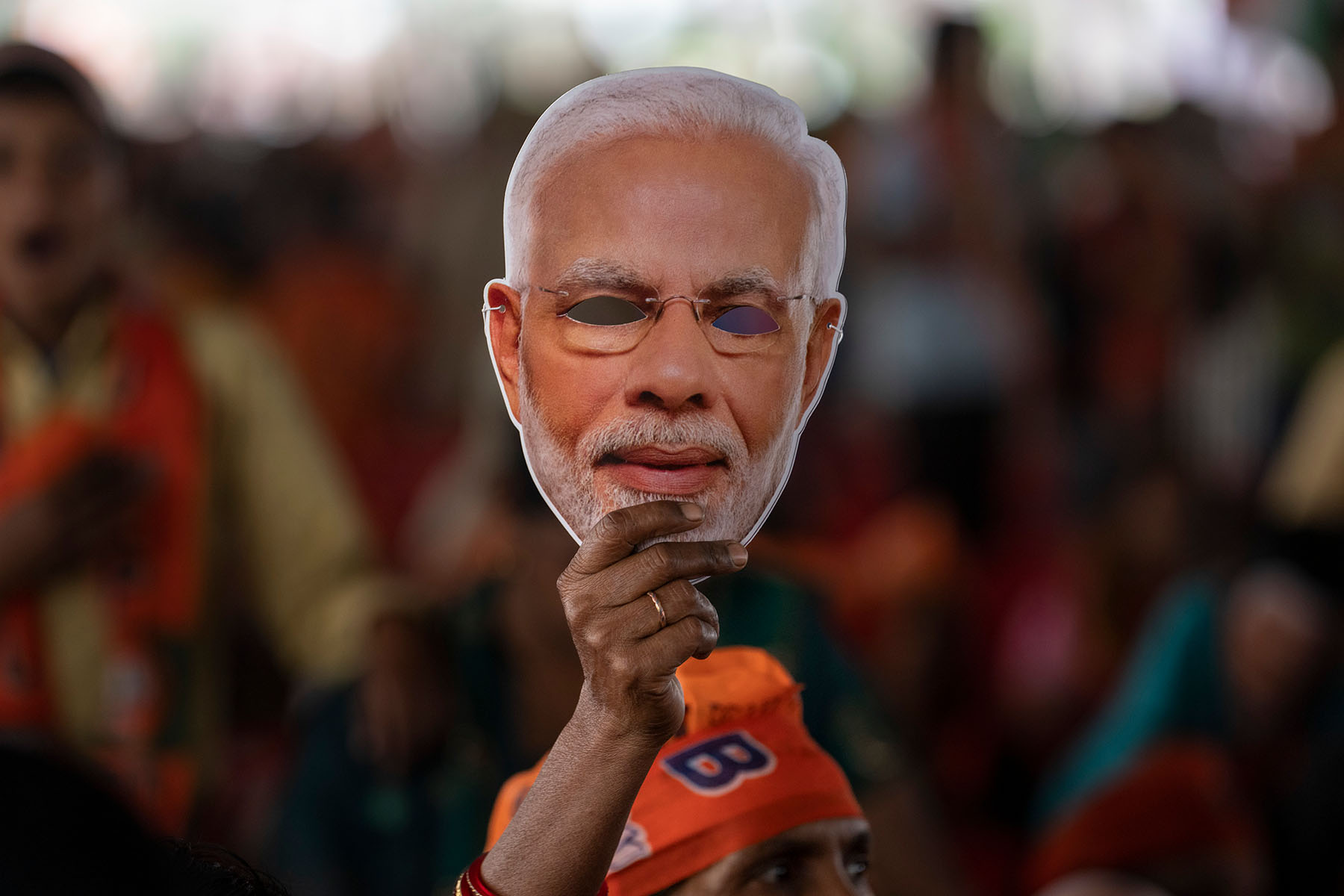
Prime Minister Narendra Modi’s government has reshaped India’s political landscape over the past decade, securing successive electoral victories while introducing major economic and governance reforms. However, critics argue that his leadership has raised serious questions about the protection of democratic values, institutional independence, and the space for public dissent in the world’s largest democracy.
Opposition parties, civil society groups, academics, and international observers have questioned whether key institutions, including the media, investigative agencies, universities, and other democratic bodies, have maintained sufficient independence under the current administration. Critics argue that actions against political opponents, journalists, activists, and protesters have created concerns about freedom of expression and democratic accountability. The government has rejected these allegations, stating that all actions are based on legal procedures and national interest.
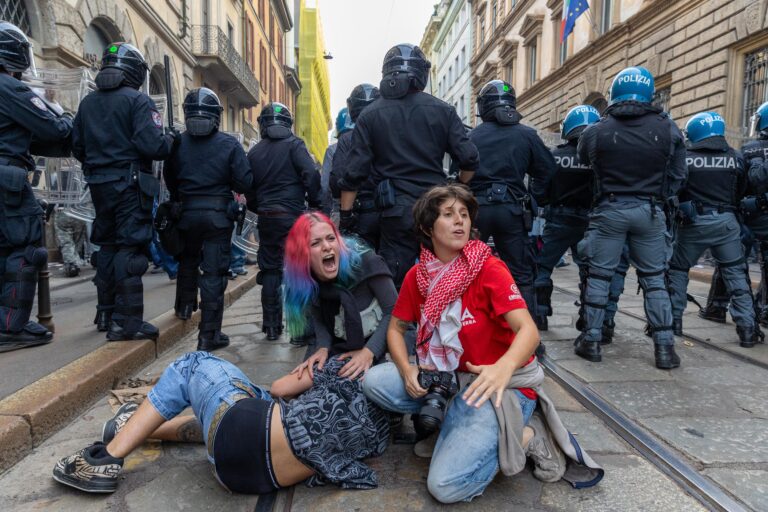
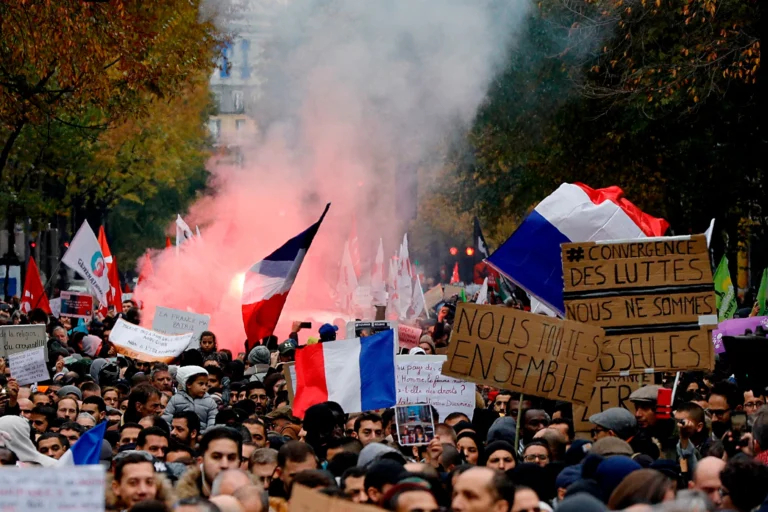
Student protests have become a major part of the debate over India’s democracy. Demonstrations at universities over issues including citizenship policies, academic freedom, unemployment, and campus rights have sometimes resulted in confrontations with authorities. Critics say the handling of these protests reflects growing restrictions on young voices and peaceful political expression, while government supporters argue that maintaining law and order is essential.
The farmers’ movement, known as the Kisan Andolan, became one of India’s largest protest movements in recent years. Beginning in 2020, thousands of farmers protested against three agricultural reform laws, saying they threatened their economic security and existing protections. After months of demonstrations, the government repealed the laws in 2021. Critics viewed the prolonged standoff as a sign that the government was slow to respond to public concerns, while supporters argued that the reforms were aimed at improving the agricultural sector.
Concerns over press freedom, internet restrictions, and the treatment of civil society organizations have also contributed to a wider debate about India’s democratic direction. Media rights groups have raised concerns about pressure on independent journalism, while the government maintains that India continues to have a free and diverse media environment.
Supporters of Narendra Modi argue that his leadership has delivered political stability, economic growth, digital transformation, and expanded welfare programmes for millions of citizens. They point to repeated elections and public support as evidence that India’s democratic system remains strong.
The debate over whether the leadership of the world’s largest democracy has protected or weakened democratic institutions remains one of India’s most important political discussions. As the country continues to grow in global influence, questions about accountability, freedom, and the strength of democratic institutions will remain central to its future.



+ There are no comments
Add yours