







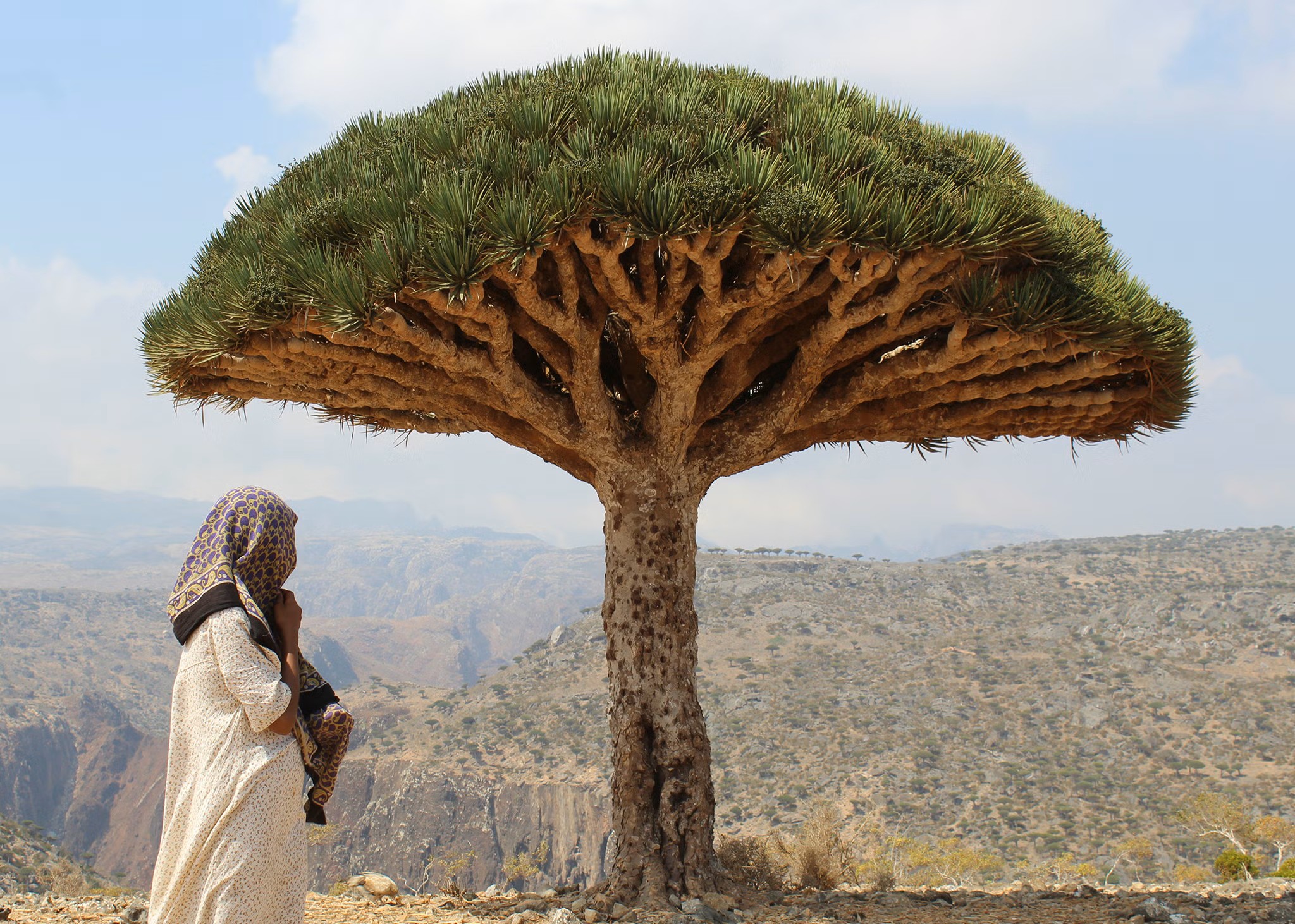
Far away from the crowded beaches, luxury resorts, and busy tourist destinations of the modern world lies an island that feels like a secret hidden by nature itself. Socotra, a remote island in the Arabian Sea near Yemen, is often described as one of the most unusual and untouched places on Earth. With its strange landscapes, rare wildlife, and ancient natural wonders, Socotra offers a glimpse of a world that seems frozen in time.
Known as the “Galápagos of the Indian Ocean,” Socotra is home to hundreds of plant and animal species found nowhere else on the planet. The island’s most famous symbol is the Dragon’s Blood Tree, a unique tree with a wide umbrella-shaped canopy and a red resin that has been valued for centuries. These remarkable trees create a landscape that looks almost like a scene from another planet.
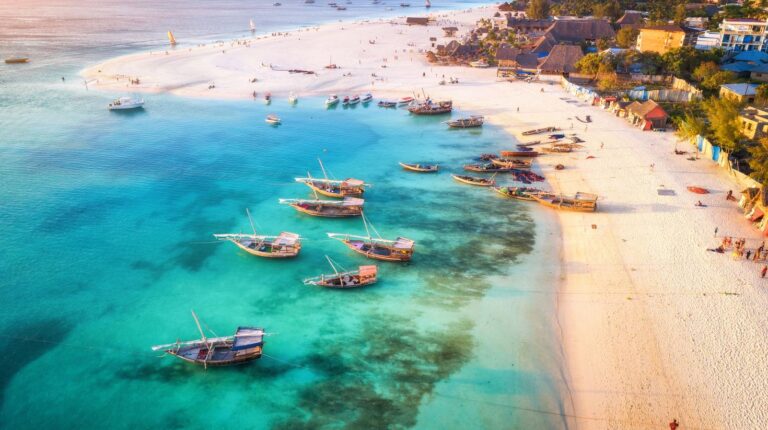
Unlike many popular tourist destinations that have been transformed by hotels, highways, and mass tourism, Socotra has preserved much of its original beauty. Its white sand beaches, turquoise waters, limestone mountains, deep caves, and untouched valleys remain largely protected from modern development. Visitors who reach the island often describe it as a place where nature still controls the rhythm of life.
The island’s isolation has played a major role in protecting its extraordinary biodiversity. For millions of years, Socotra developed separately from other regions, allowing unique species to evolve. Rare birds, unusual plants, and marine life thrive in an environment that scientists consider one of the world’s most important natural treasures.
However, this remote paradise faces growing challenges. Climate change, environmental pressures, and limited conservation resources threaten some of the island’s fragile ecosystems. Experts warn that protecting Socotra’s natural heritage is essential to ensuring that future generations can experience its extraordinary landscapes.
Despite these challenges, Socotra is slowly gaining attention among adventurous travelers searching for destinations beyond the ordinary. It represents a different kind of tourism — one based on exploration, respect for nature, and discovering places that have remained untouched for centuries.
In a world where many destinations are becoming increasingly crowded and commercialized, Socotra stands as a reminder of the incredible beauty that still exists beyond the familiar. The island is not just a travel destination; it is a living museum of nature, offering visitors a rare opportunity to witness Earth in one of its most original and breathtaking forms.









+ There are no comments
Add yours