







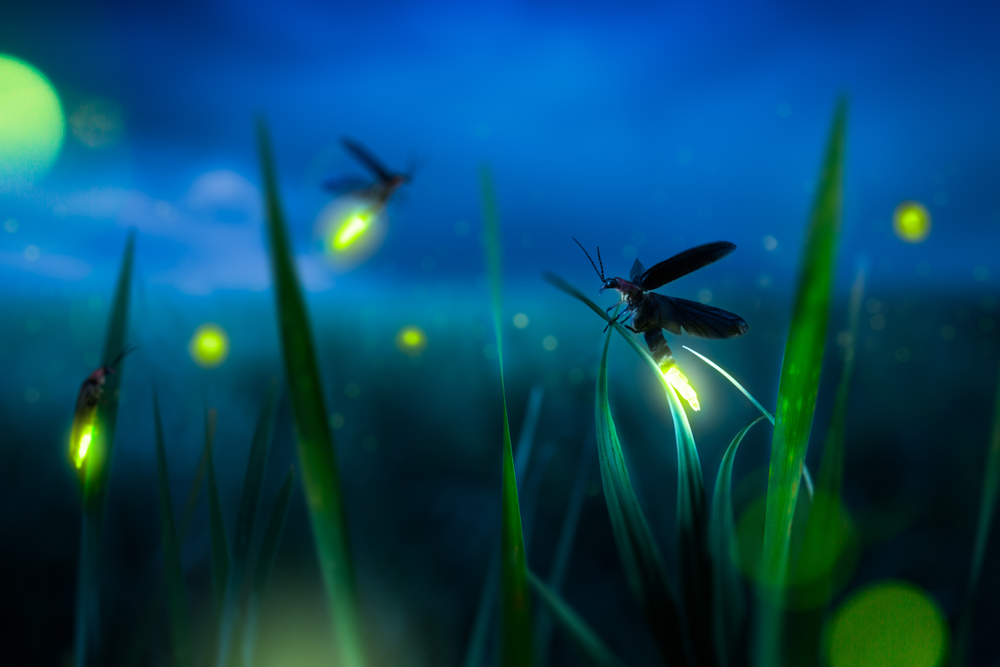
For many people, childhood memories are illuminated by the magical glow of fireflies dancing across fields, gardens, and village pathways on warm summer evenings. Their tiny flashes of light transformed ordinary nights into enchanting experiences, inspiring curiosity, joy, and wonder. Children would chase them through the grass, gently catching them in their hands before releasing them back into the darkness. In many rural areas, fireflies were once so abundant that they seemed to fill the night with countless flickering lights. Today, however, those magical scenes have become increasingly rare. In many places, an entire generation is growing up without ever witnessing the beauty of fireflies in the wild.
The disappearance of fireflies is not an isolated phenomenon but part of a broader decline in biodiversity caused by human activities. One of the biggest reasons for their decline is the loss of natural habitat. Rapid urbanization, expanding roads, housing developments, and intensive agriculture have replaced wetlands, forests, grasslands, and other environments where fireflies breed and thrive. As natural landscapes continue to shrink, these delicate insects lose the moisture, vegetation, and undisturbed surroundings essential for completing their life cycle.
Light pollution has also emerged as a major threat. Fireflies rely on their bioluminescent flashes to communicate and attract mates. Artificial lights from homes, streetlights, billboards, and commercial buildings overpower these natural signals, making it difficult for fireflies to find one another. When their communication is disrupted, reproduction declines, leading to fewer fireflies each year. What once appeared as sparkling natural light has been overshadowed by the constant glow of modern cities.
Another significant factor is the increasing use of pesticides, insecticides, and chemical fertilizers. These toxic substances not only kill harmful insects but also destroy beneficial species, including fireflies. Their larvae spend months living in moist soil, feeding on snails, worms, and other small organisms. Chemicals contaminate these habitats, reducing food sources and exposing young fireflies to harmful toxins before they even reach adulthood.
Climate change is adding further pressure. Rising temperatures, irregular rainfall, prolonged droughts, and flooding alter the delicate ecosystems that fireflies depend on. Wetlands dry up, breeding seasons become unpredictable, and environmental conditions become less suitable for survival. These changes make it even harder for already declining populations to recover.
The disappearance of fireflies is more than the loss of a beautiful insect. It is a warning that our ecosystems are becoming less healthy. Fireflies serve as indicators of environmental quality because they flourish only in clean, balanced habitats. When they vanish, it often signals that nature itself is under stress.
Despite these challenges, there is still hope. Protecting natural habitats, reducing unnecessary outdoor lighting, planting native vegetation, limiting the use of pesticides, and preserving wetlands can all help restore firefly populations. Communities can also create firefly-friendly gardens and educate younger generations about the importance of conserving biodiversity. Even simple actions, such as switching off unnecessary lights during summer evenings, can make a meaningful difference.
Fireflies remind us that nature’s greatest wonders are often its smallest. Their gentle glow once symbolized carefree childhood evenings and a healthy environment. Bringing them back will require collective effort and a renewed commitment to protecting the natural world. If we act responsibly today, future generations may once again experience the magical sight of thousands of tiny living lanterns lighting up the night sky, just as many of us were fortunate enough to witness in our childhood.









+ There are no comments
Add yours