







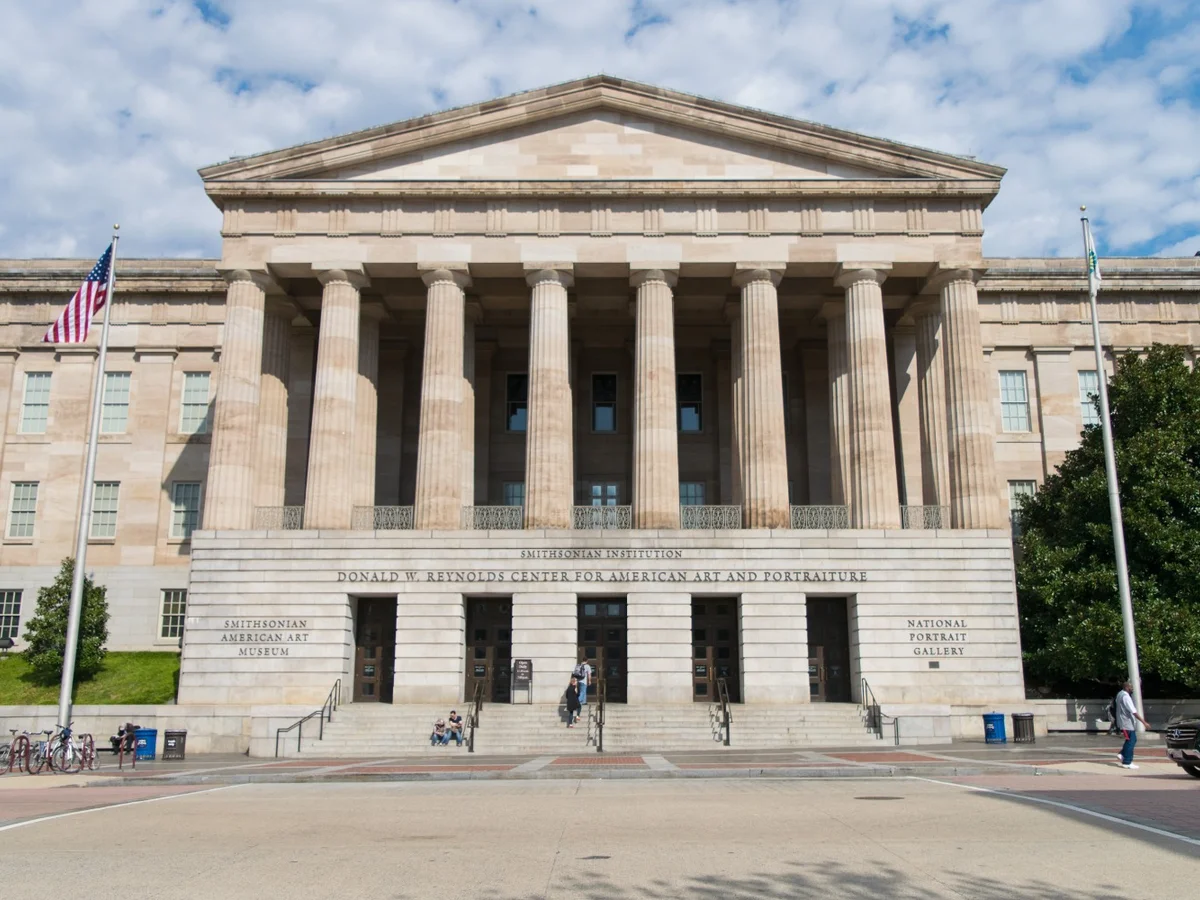
A new White House report has renewed debate over the future direction of the Smithsonian Institution, accusing the nation’s largest museum and research complex of adopting an ideological approach that, according to the administration, distorts America’s historical legacy. The report marks the latest step in the Trump administration’s broader effort to reshape how U.S. history and culture are presented in publicly supported institutions.
Released on the anniversary of the nation’s founding, the report argues that the Smithsonian has shifted its focus away from traditional historical scholarship toward political advocacy. Administration officials contend that the institution should emphasize a more unified interpretation of American history, rather than narratives they believe highlight the country’s divisions and past injustices.
The document builds on a 2025 executive order titled “Restoring Truth and Sanity to American History,” which called for a review of federal cultural institutions and historical sites. The order directed officials to identify what the administration describes as politically motivated interpretations of American history and encouraged a renewed focus on patriotic education. Similar reviews have also affected national parks, monuments, and other federally supported historical programs.
The Smithsonian, however, has defended its long-standing approach to research and public education. A spokesperson said the institution has served the public for more than 180 years through independent, nonpartisan scholarship and remains committed to presenting history based on academic research and professional standards. The organization also noted its unique status as a public-private trust rather than a traditional executive branch agency.
The White House report has sparked discussion among historians, museum professionals, and policymakers about the balance between government oversight and institutional independence. Supporters of the administration argue that publicly funded cultural organizations should promote a more cohesive national narrative, while critics warn that political influence could undermine scholarly independence and limit the presentation of complex historical perspectives.
As the debate continues, the Smithsonian remains at the center of a broader national conversation over how America’s history should be interpreted, taught, and preserved for future generations. The outcome could have lasting implications for museums, educational institutions, and the public understanding of the nation’s past.









+ There are no comments
Add yours