






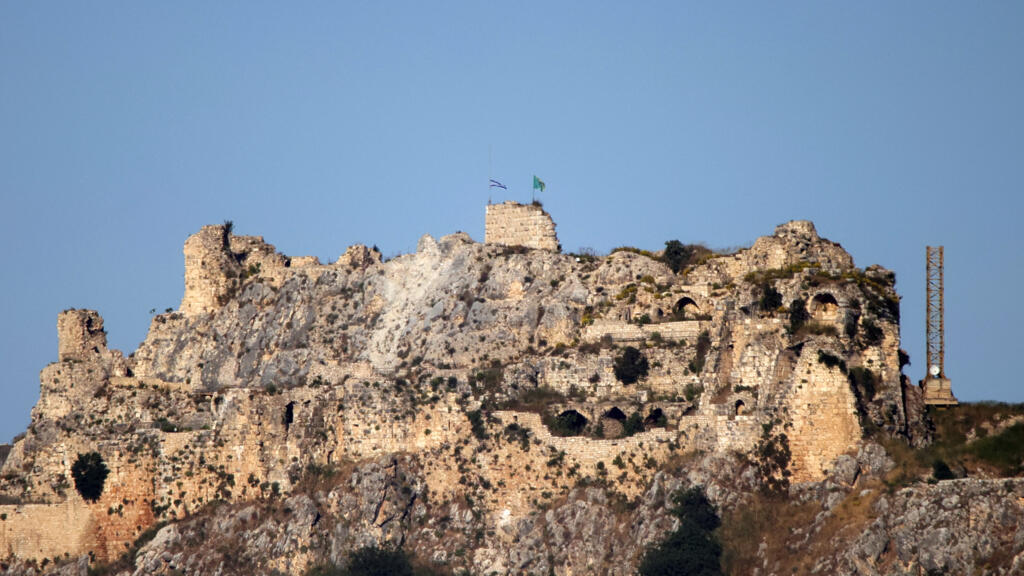
Israeli military forces have captured the strategic site of Beaufort Castle in southern Lebanon, marking what Israeli Prime Minister Benjamin Netanyahu described as a “decisive shift” in the ongoing offensive against Hezbollah.
The development comes as Israeli ground forces reportedly advance further into Lebanese territory beyond the traditional boundary of the Litani River, signaling an expansion of the military operation in the region.
According to the Israel Defense Forces (IDF), a “significant number of ground troops” are currently involved in the operation, which is said to be expanding into additional areas of southern Lebanon. The military has also issued fresh evacuation warnings to civilians, instructing residents to leave a wider zone south of the Zahrani River. It is the second such warning in recent days covering large parts of southern Lebanon.
The IDF stated that “anyone present near Hezbollah elements, facilities or means of combat endangers their life,” urging civilians to evacuate for their safety.
The escalation has drawn international concern. The governments of the United Kingdom, France, and Germany have criticized the latest developments, calling for restraint and urging both sides to halt further escalation.
The conflict has also triggered strong reactions from Lebanese officials. Lebanon’s prime minister accused Israel of carrying out “collective punishment” in the ongoing military campaign, warning of severe humanitarian consequences as civilian displacement increases in southern regions.
In response to the widening conflict, UK Foreign Secretary Yvette Cooper joined European allies in calling for an immediate de-escalation and renewed diplomatic efforts to prevent further regional instability.
The situation remains highly volatile, with Israeli operations continuing to expand and international pressure mounting for a ceasefire or negotiated settlement. Analysts warn that continued escalation could deepen instability across the Israel–Lebanon border region and increase risks for civilians caught in the conflict zone.
For now, both military activity and diplomatic efforts are expected to continue simultaneously, as global powers closely monitor developments in southern Lebanon.






+ There are no comments
Add yours