






A recent statement by Nepal’s Prime Minister has sparked political controversy and renewed debate over the long-standing border dispute between Nepal and India, drawing attention from policymakers and analysts across South Asia.
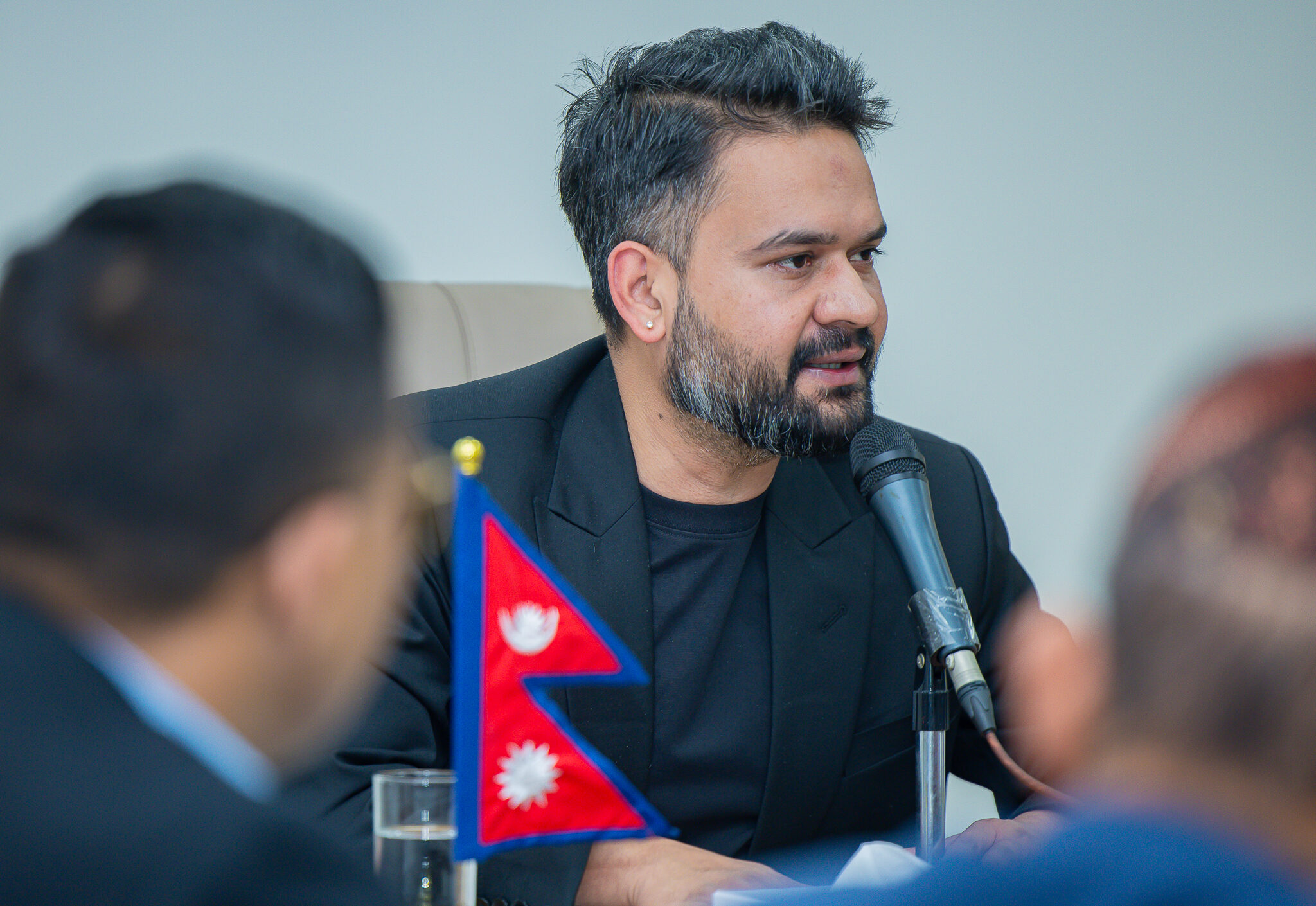
Speaking in Parliament, Prime Minister Balendra Shah stated that both Nepal and India have occupied territory claimed by the other side and suggested that the United Kingdom could potentially play a role in discussions concerning the issue. The remarks quickly became the focus of national debate, with opposition leaders questioning the implications of the statement and calling for greater clarification from the government.
The border dispute between Nepal and India has historically centered on the regions of Kalapani, Lipulekh, and Limpiyadhura. While both countries have maintained diplomatic engagement on the matter, territorial issues remain highly sensitive because of their connection to national sovereignty, public sentiment, and regional politics.
The Prime Minister’s comments have also raised broader questions about political leadership and diplomacy. Supporters argue that leadership sometimes requires addressing difficult issues openly, even when they challenge established narratives. According to this view, raising complex historical questions can encourage transparency and promote informed public discussion.
Critics, however, contend that statements on territorial matters require careful diplomatic consideration. They argue that comments involving sensitive border disputes can influence public perception and potentially complicate ongoing diplomatic efforts between neighboring nations.
Beyond Nepal’s domestic political landscape, the controversy has attracted attention from foreign policy observers across the region. Analysts note that introducing the possibility of British involvement adds an international dimension to a dispute that has traditionally been addressed through bilateral dialogue between Kathmandu and New Delhi.
Most experts believe that the United Kingdom is unlikely to assume a direct role unless both governments formally seek such involvement. Britain has generally maintained a neutral approach to modern South Asian territorial disputes despite its historical connection to regional boundary arrangements during the colonial era. As a result, observers expect London to continue supporting peaceful diplomatic engagement rather than active intervention.
The episode has also reignited discussions about the role of leadership in managing complex geopolitical challenges. In an increasingly interconnected world, statements made by national leaders can influence diplomatic conversations far beyond their borders. Whether viewed as a display of political courage or a diplomatic gamble, the Prime Minister’s remarks have undoubtedly succeeded in generating debate.
For now, the controversy remains a matter of political discussion rather than diplomatic confrontation. However, analysts suggest that its long-term significance will depend on how Nepal’s government clarifies its position and how regional stakeholders respond in the coming weeks.
As South Asia continues to navigate questions of sovereignty, diplomacy, and regional cooperation, the debate surrounding the Prime Minister’s remarks serves as a reminder that leadership decisions often carry consequences that extend well beyond national borders.







+ There are no comments
Add yours