







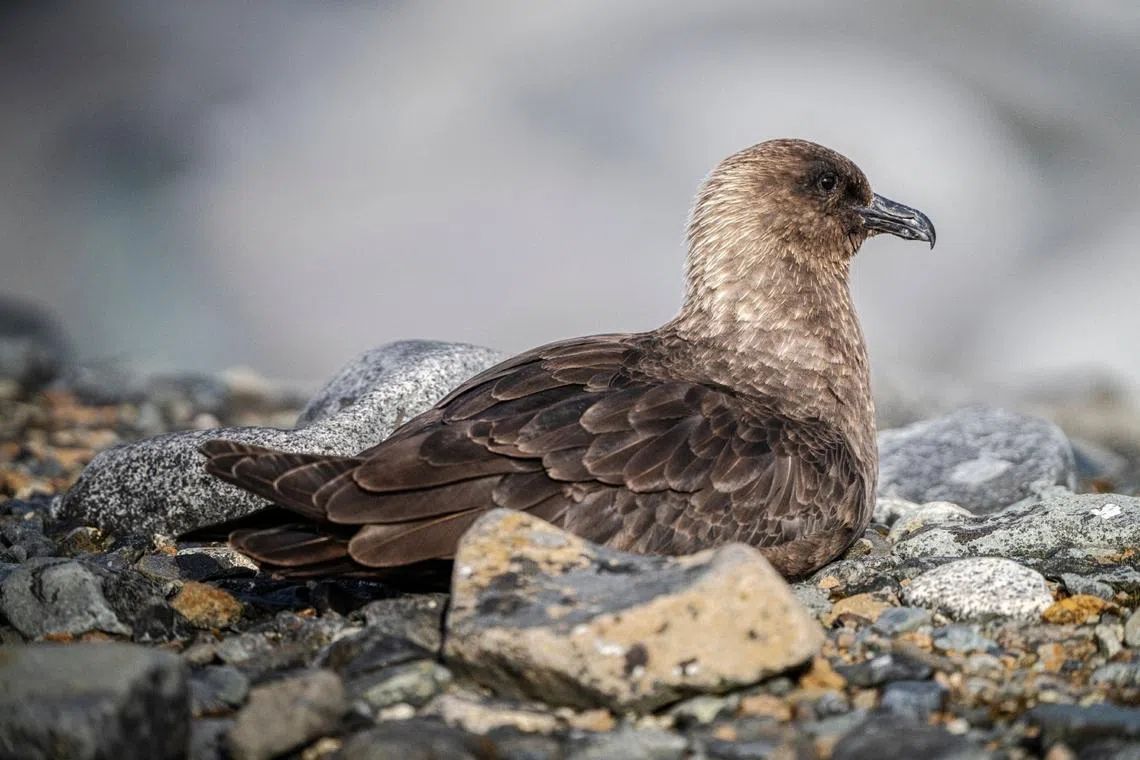
New Zealand has confirmed its first case of the highly contagious H5N1 bird flu, raising concerns among conservation experts that the virus could pose a serious threat to some of the country’s most vulnerable native bird species.
The infected bird, a brown skua seabird, tested positive after it was found on Petone beach in Wellington on July 10. Biosecurity Minister Andrew Hoggard confirmed the case, saying authorities are closely monitoring the situation and urging the public to help identify possible signs of wider spread.
The arrival of bird flu has caused concern in a country where native birds play a vital role in the environment and hold deep cultural importance. Conservationists fear that if the virus spreads among wild bird populations, it could place additional pressure on species already facing challenges from habitat loss, predators, and climate-related changes.
New Zealand has spent years preparing for the possible arrival of avian influenza. Authorities have established surveillance programmes involving wildlife areas, conservation facilities, zoos, poultry producers, veterinarians, and members of the public. A vaccination programme is also under way for several endangered bird species kept in captive breeding programmes, including the kākāpō and takahē.
Experts say the country’s preparation will help reduce the impact, but controlling the virus among wild birds will remain extremely difficult. James Russell, a conservation biology professor at the University of Auckland, warned that native birds are already facing multiple environmental pressures and stressed the importance of strengthening conservation efforts to help populations recover.
Officials have said there is currently no evidence of widespread bird deaths or transmission between wild birds in New Zealand. However, authorities are encouraging people to remain alert and report groups of three or more sick or dead birds through the national pest and disease reporting system.
The H5N1 strain has spread across many parts of the world since emerging in Asia and has reached regions including Europe, the Americas, and Antarctica. Its recent detection in New Zealand follows confirmed cases in Australia, increasing concerns about the movement of the virus through migratory bird routes.
As scientists and conservation teams continue monitoring the situation, the focus remains on protecting New Zealand’s unique wildlife and preventing further spread of a disease that has already affected bird populations globally.










+ There are no comments
Add yours