






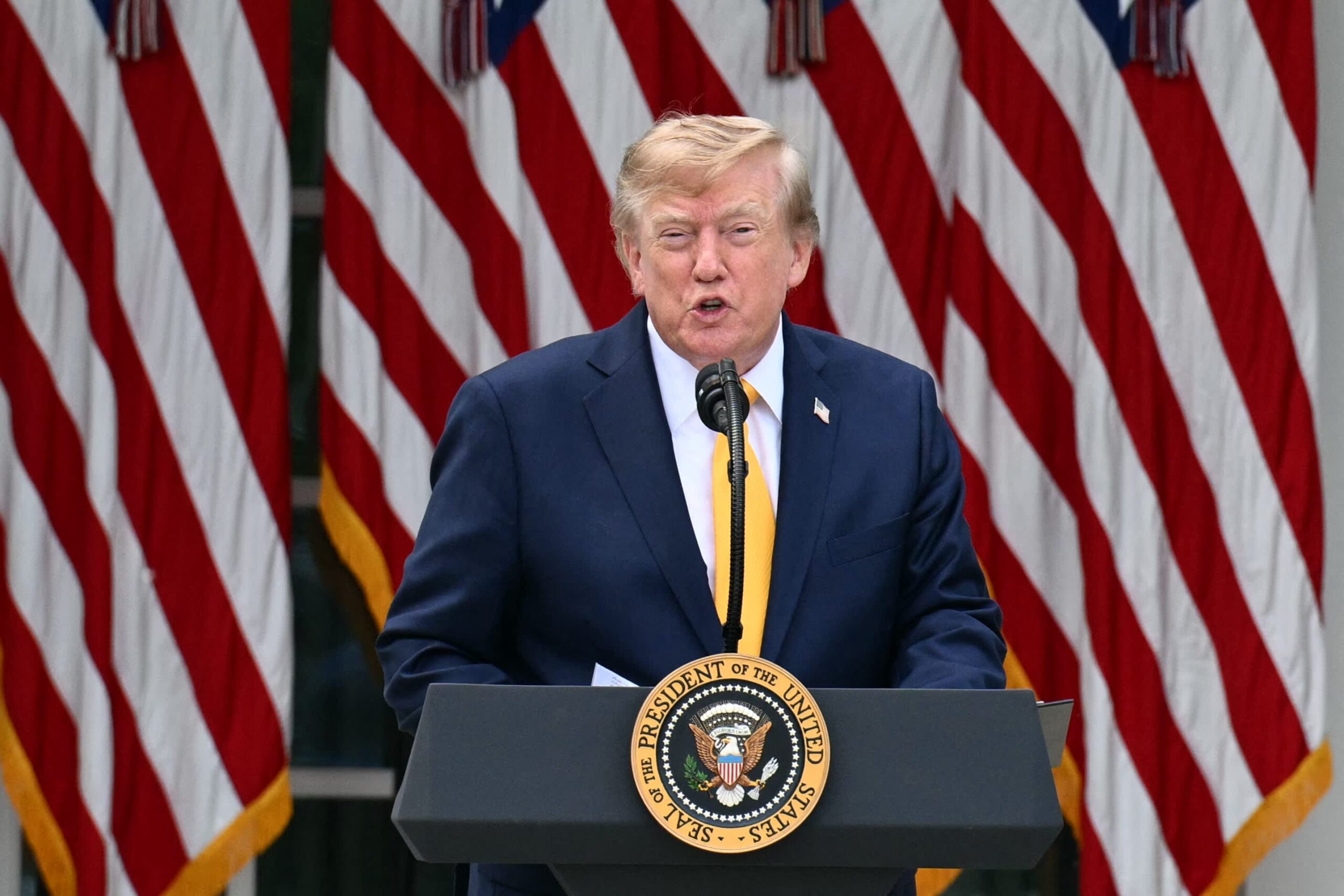
U.S. President Donald Trump has announced a major energy agreement with Venezuela that would give American businesses a leading role in developing the country’s vast oil reserves, marking a dramatic expansion of U.S. involvement in Venezuela’s energy sector. Venezuelan interim President Delcy Rodríguez said the agreement will remain in place for 25 years and aims to significantly increase the country’s oil production.
Rodríguez said the agreement covers the development of 17 strategic oilfields, with an initial production target of more than 1.5 million barrels per day. The wider plan also includes eight new oil blocks, part of an effort to rebuild an industry that has suffered from years of underinvestment, mismanagement and sanctions.
Trump said the United States had secured majority control of more than 65 billion barrels of Venezuela’s proven oil reserves through partnerships with private businesses. However, the precise structure of the arrangement, including how U.S. control will be exercised and which companies will participate, has not been fully disclosed.
For Venezuela, the agreement could provide a major source of investment and government revenue. Rodríguez said the deal could generate about $209 billion for the Venezuelan state, based on an oil price of $65 a barrel, with approximately $19 from each barrel produced and sold under the arrangement going directly to the government. She also stressed that Venezuela would retain ownership and sovereignty over its natural resources.
The agreement comes as Venezuela attempts to revive an oil industry that remains far below its historical production capacity. The country possesses the world’s largest proven oil reserves but is currently producing roughly 1.25 million barrels per day, according to Reuters. Reaching the new production targets will require substantial investment, infrastructure repairs and technical expertise.
The deal is already generating political debate inside Venezuela. Demonstrators gathered in Caracas to protest against growing U.S. involvement, while critics have questioned the legal framework and the long-term implications of granting foreign companies greater access to the country’s oil resources.
For Washington, the agreement could provide greater access to Venezuelan crude and potentially strengthen energy supplies. For Caracas, it offers the prospect of investment, increased production and billions of dollars in government revenue. But significant details remain unresolved, and the scale of investment required means the promised economic benefits are unlikely to materialize immediately.
The agreement therefore represents a major turning point in U.S.-Venezuela relations, putting the country’s enormous oil reserves at the center of a new economic and geopolitical partnership.





+ There are no comments
Add yours