







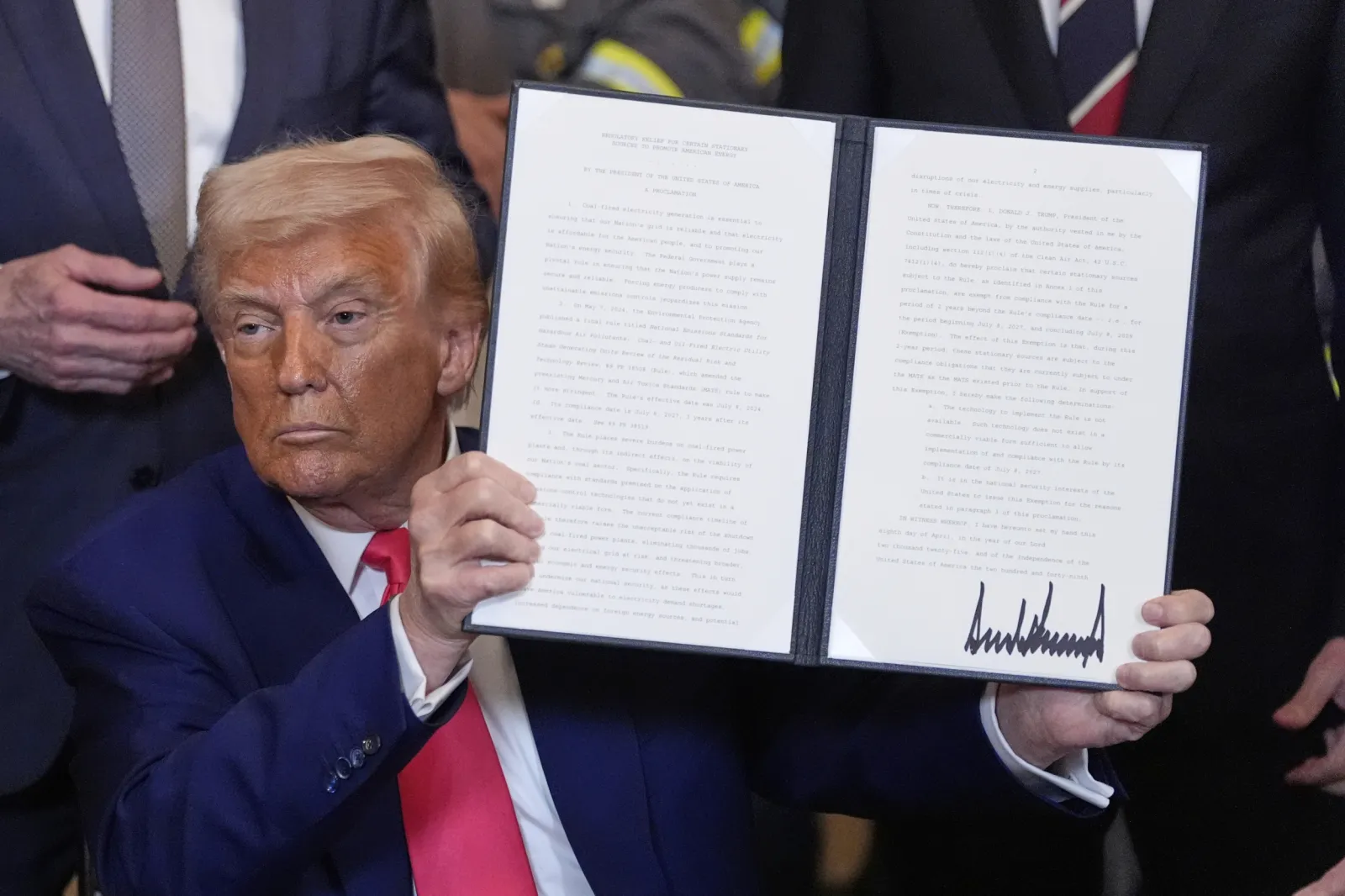
Efforts to secure a new understanding between the United States and Iran remained uncertain on Friday after a high-level meeting led by US President Donald Trump ended without a clear decision on the future of negotiations. The meeting, held in the White House Situation Room, was intended to help the administration make a final determination on a proposed framework that could extend the current ceasefire and pave the way for broader talks on Iran’s nuclear programme.
According to US officials, Washington and Tehran had earlier reached a preliminary memorandum of understanding that would extend the ceasefire for 60 days while launching discussions on the future of Iran’s nuclear activities. However, the proposed framework still required approval from both Trump and Iran’s leadership before moving forward.
Speaking ahead of the meeting, Trump reiterated several key conditions for any agreement. He insisted that Iran must permanently forgo the development of nuclear weapons, allow the removal and destruction of enriched uranium, and ensure the Strait of Hormuz remains open to unrestricted shipping traffic. He also called for the removal of any naval mines from the strategically important waterway, a critical route for global energy supplies.
Despite signs of progress from the US side, Iranian officials continued to reject claims that nuclear negotiations were underway. Foreign Ministry spokesman Esmaeil Baqaei stated that Tehran’s primary focus remained ending the conflict and not discussing its nuclear programme. Iran has consistently maintained that its nuclear activities are intended solely for peaceful civilian purposes.
Trump also indicated a willingness to ease restrictions in the Strait of Hormuz, suggesting that vessels affected by tensions in the region could begin returning to normal operations. He added that no financial arrangements would be included in any agreement at this stage, although other aspects of a potential deal had reportedly been discussed.
Iran’s Fars news agency challenged parts of Trump’s statements, describing them as a mixture of fact and misinformation and denying that the proposed framework included provisions for destroying nuclear materials.
The latest developments highlight the continuing gap between Washington and Tehran despite months of diplomatic efforts. While both sides have signaled interest in reducing tensions, significant disagreements remain over Iran’s nuclear activities, leaving the prospects for a comprehensive agreement uncertain.






+ There are no comments
Add yours