






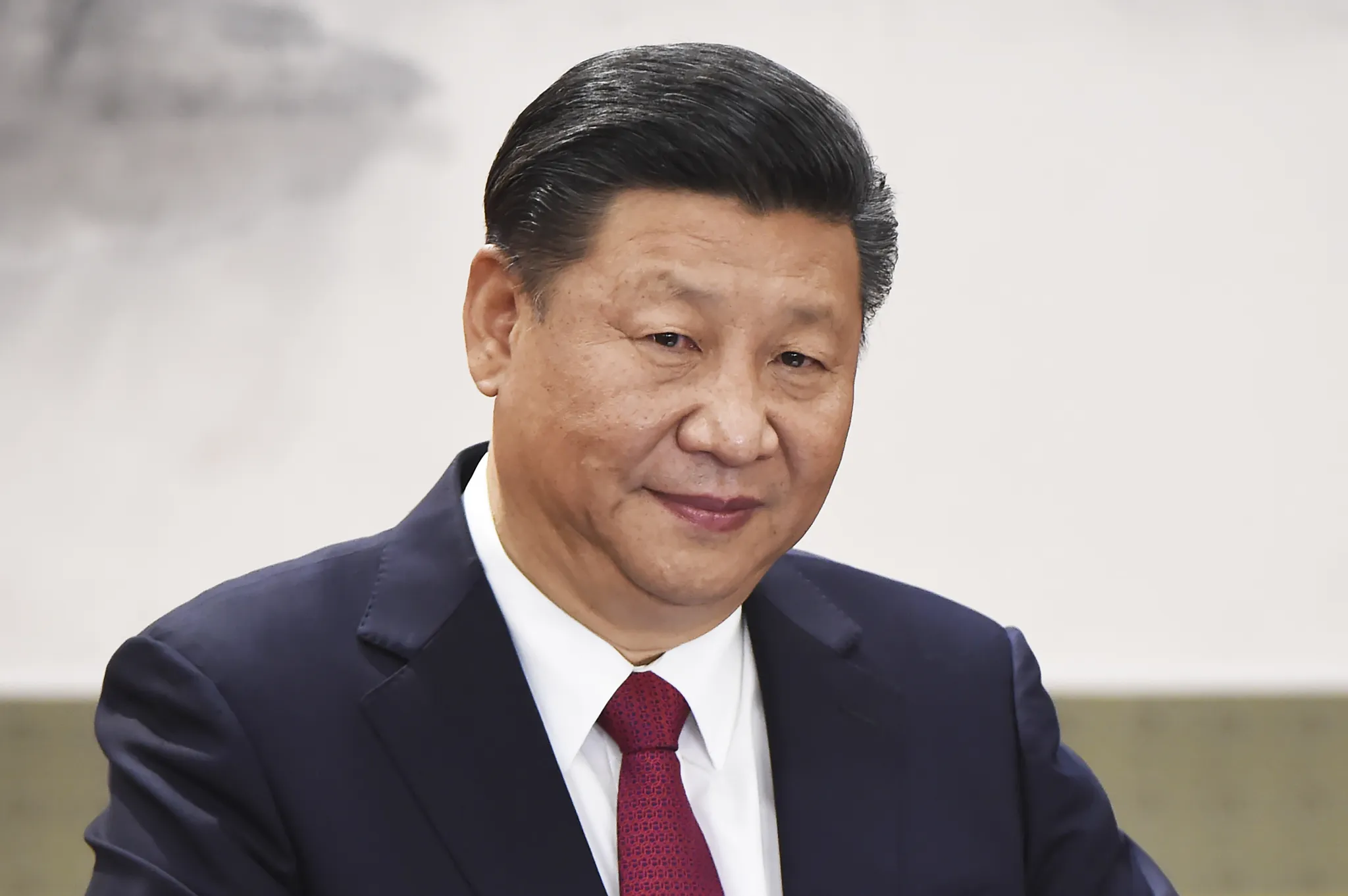
Xi Jinping is the current President of China and one of the most influential political leaders in the world today. He has played a central role in shaping China’s domestic policies, economic development, and global strategy over the past decade.
Born in 1953, Xi Jinping rose through the ranks of the Chinese Communist Party, serving in various regional leadership positions before becoming the country’s top leader in 2013. Since then, he has strengthened central authority and positioned himself as a key figure in China’s long-term development plans.
Under his leadership, China has focused heavily on economic modernization, technological advancement, and global trade expansion. Major initiatives such as the Belt and Road Initiative have increased China’s influence across Asia, Africa, and parts of Europe by investing in infrastructure and trade networks.
Domestically, Xi has emphasized anti-corruption campaigns, which have targeted thousands of officials across different levels of government. Supporters say these efforts have strengthened governance and discipline within the political system, while critics argue they have also concentrated power within the leadership.
Xi Jinping has also overseen China’s rapid progress in areas such as artificial intelligence, space exploration, and renewable energy. At the same time, his leadership has faced international scrutiny over issues such as human rights, trade disputes, and geopolitical tensions with other major powers.
In recent years, China has taken a more assertive role in global affairs, and Xi Jinping is often seen as the face of this new approach. His policies continue to shape not only China’s future but also global economic and political dynamics.
Whether viewed as a reformer or a strong centralizer of power, Xi Jinping remains a defining figure in 21st-century world politics, with decisions that have far-reaching consequences for the global order.
add leadership word in head




+ There are no comments
Add yours