







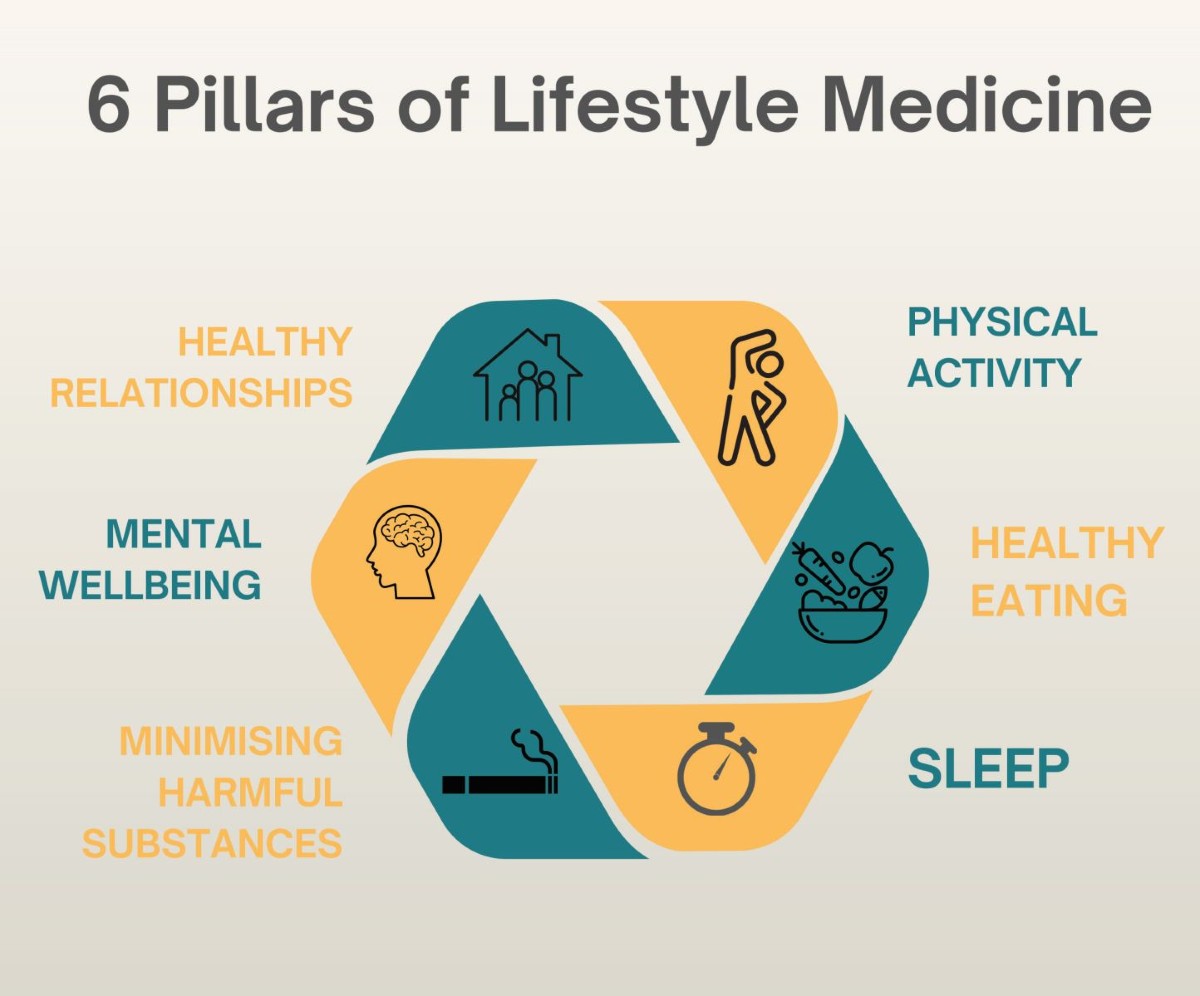
“We are in the midst of a patient-led medical revolution, patients wanting to take control of their health, and lifestyle medicine is at the forefront,” says Dr. Polina Sayess, highlighting a growing shift in how modern healthcare is understood and practiced. Increasingly, experts are recognizing that long-term health is not determined only by medication or clinical treatment, but also by everyday habits and lifestyle choices.
Lifestyle medicine is an approach to healthcare that focuses on improving health and preventing disease through evidence-based changes in daily living. Rather than treating illness after it appears, this approach aims to address the root causes of chronic diseases by supporting the body’s natural ability to heal and maintain balance.
Recent research suggests that lifestyle medicine can play a powerful role in reducing the risk and severity of chronic conditions such as diabetes, heart disease, and obesity. By focusing on prevention and long-term wellness, it offers a practical and sustainable way to improve overall quality of life.
Key areas of lifestyle medicine include regular physical activity and movement, which help improve cardiovascular health, strengthen muscles, and support mental wellbeing. Nutrition is another central pillar, with a strong emphasis on whole, minimally processed foods that provide essential nutrients and reduce inflammation in the body.
Sleep hygiene is also considered vital, as poor sleep has been linked to weakened immunity, weight gain, and increased risk of chronic illness. Ensuring consistent and quality sleep supports both physical and mental recovery.
In addition, lifestyle medicine highlights the importance of positive social connections. Healthy relationships and strong social support systems are associated with lower stress levels and improved emotional health. A sense of purpose and meaning in life is also seen as a key factor in overall wellbeing, helping individuals stay motivated and mentally resilient.
Spending time in nature is another important element, as exposure to natural environments has been shown to reduce stress, improve mood, and enhance cognitive function. Even small daily interactions with green spaces can have meaningful health benefits.
As healthcare systems around the world face increasing pressure from rising chronic disease rates, lifestyle medicine is gaining recognition as a practical and preventive approach. By empowering individuals to take control of their daily habits, it represents a shift from reactive treatment to proactive wellness.
In this evolving medical landscape, lifestyle medicine continues to grow as a powerful tool for improving health outcomes, reducing disease burden, and encouraging people to actively participate in their own wellbeing.










+ There are no comments
Add yours