






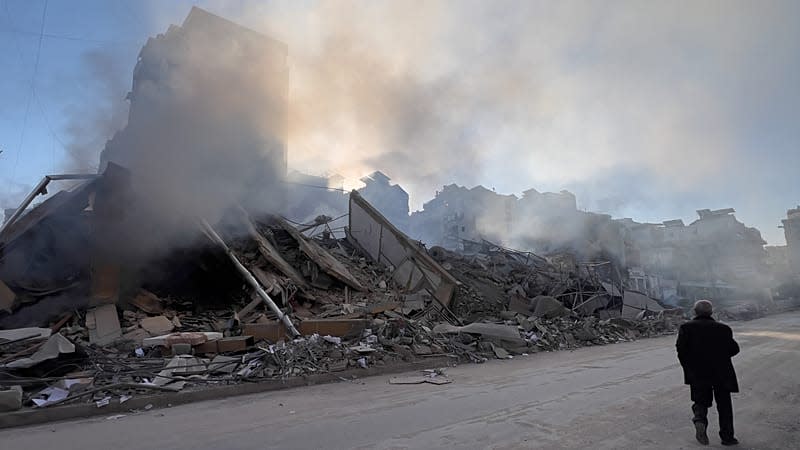
Tensions between Iran and United States have now entered an extended crisis period lasting roughly three months, following a sharp escalation of military and political confrontations that began earlier this year. While not formally declared as a full-scale war, the ongoing cycle of strikes, counter-strikes, and regional proxy activity has created one of the most unstable geopolitical situations in recent years.
Since the escalation began, both sides have engaged in limited but repeated military actions across the Middle East region. The United States has conducted targeted operations against groups it describes as Iran-aligned militias, while Iran has increased pressure through regional partners and indirect engagements in key maritime and border zones. The situation has remained fluid, with no clear diplomatic breakthrough.
The humanitarian and economic consequences are already being felt. Global oil prices have seen sharp fluctuations due to concerns over supply routes in the Strait of Hormuz, one of the world’s most critical energy corridors. Shipping companies have also reported higher insurance costs and rerouted vessels to avoid potential risk zones, adding pressure to global trade networks.
Financial markets have reacted with volatility, particularly in energy-dependent economies. Analysts warn that prolonged instability could contribute to inflationary pressures worldwide, especially in developing countries that rely heavily on imported fuel and food supplies.
In the Middle East, neighboring countries have increased military readiness amid fears of regional spillover. Diplomatic missions have also tightened security protocols, while international organizations have called for immediate restraint and renewed negotiations.
Despite the ongoing tensions, there are emerging signs that full-scale war remains unlikely at this stage. Backchannel diplomacy involving neutral states has reportedly continued, and both Washington and Tehran have signaled at different points that they do not seek direct large-scale conflict. However, mistrust remains extremely high, making any agreement fragile and uncertain.
Experts say the next few weeks will be critical. Without a diplomatic breakthrough, the risk of further escalation remains, but growing economic pressure on both sides could eventually push toward negotiations.
For now, the situation remains a tense standoff one that continues to shape global security, energy markets, and international relations.






+ There are no comments
Add yours