







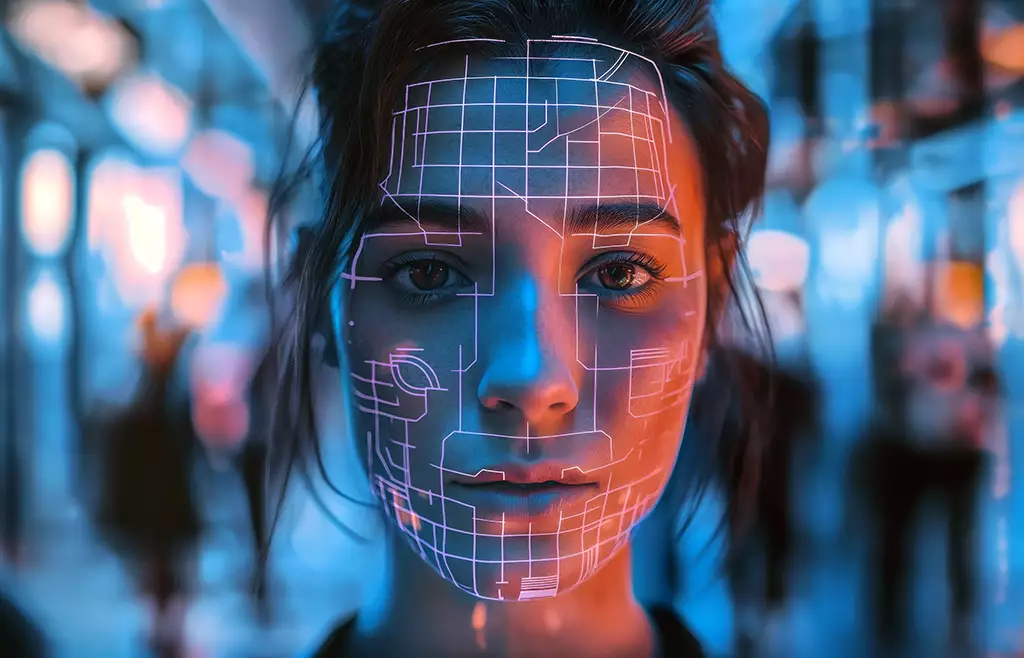
The rapid rise of artificial intelligence has brought major innovation across industries, but it has also opened the door to a new wave of sophisticated cybercrime. Security experts are warning of a sharp increase in AI-powered fraud schemes, where criminals use deepfake voices, synthetic videos, and automated bots to deceive victims and steal money on a global scale.
Financial institutions in Europe, Asia, and North America have reported a growing number of cases where scammers impersonate executives using AI-generated voice cloning technology. In several incidents, employees were tricked into transferring large sums of money after receiving phone calls that sounded identical to company directors.
Cybersecurity firms say that deepfake technology has become cheaper, faster, and more convincing, making it difficult for the average person to distinguish between real and fake communication. Fraudsters are also using AI-generated video calls to impersonate family members, government officials, and bank representatives.
Experts warn that traditional security systems are struggling to keep up with the speed of AI-driven attacks. Unlike earlier scams that often contained spelling errors or suspicious links, modern AI scams can replicate tone, facial expressions, and speech patterns with alarming accuracy.
Governments and tech companies are now rushing to develop countermeasures, including AI detection tools, biometric verification systems, and stricter digital identity laws. However, experts believe regulation is still lagging behind the rapid evolution of the technology.
Cybersecurity analysts are urging individuals and businesses to adopt extra caution, especially when receiving urgent financial requests through phone calls or video messages. Verification through secondary channels is being recommended as a key defense strategy.
While AI continues to transform industries positively, the growing misuse of the technology highlights an urgent need for global cooperation to prevent large-scale digital fraud in the coming years.










+ There are no comments
Add yours