






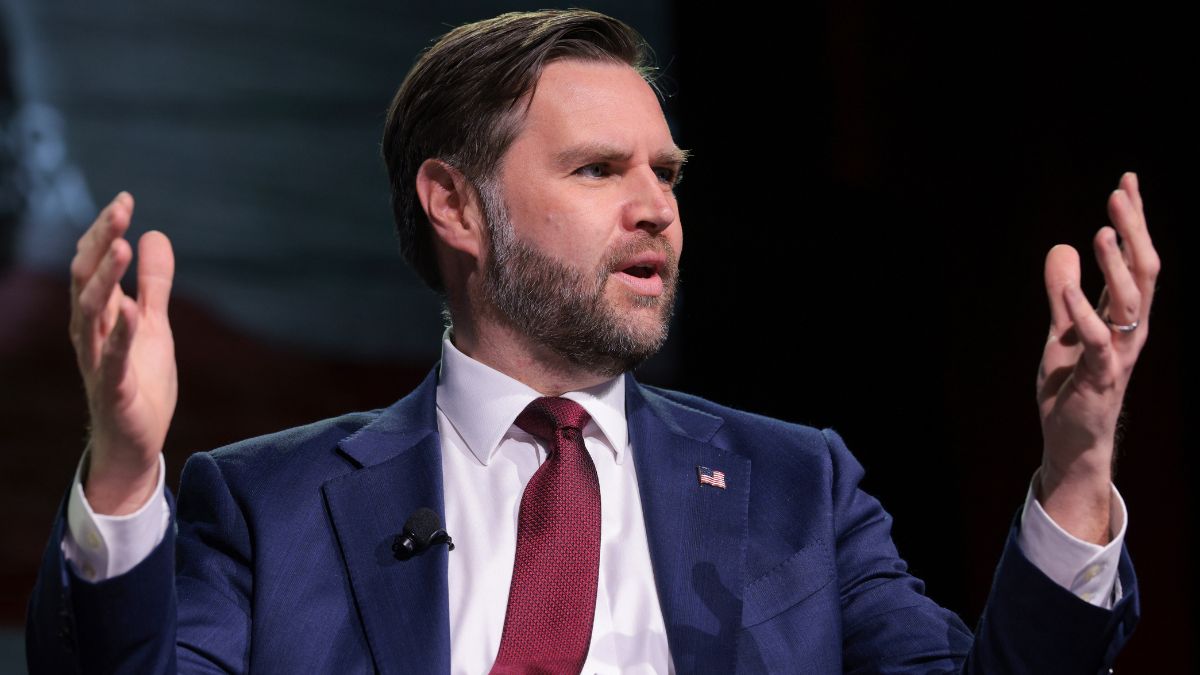
U.S. Vice President JD Vance has stated that Iran’s political leadership appears “fractured,” suggesting internal divisions are complicating ongoing diplomatic negotiations between Washington and Tehran.
In comments shared during a recent interview highlighted by CNN-News18, Vance argued that inconsistent messaging from Iranian officials reflects a lack of unity within the country’s decision-making structure. He said this fragmentation is making it more difficult for the United States to determine Iran’s final negotiating position on key international issues.
The remarks come at a sensitive time, as the United States and Iran continue indirect and direct diplomatic efforts aimed at addressing long-standing disputes, including concerns over Iran’s nuclear program and broader regional security tensions in the Middle East.
According to U.S. officials, the goal of the talks is to establish a stable framework that reduces the risk of escalation while ensuring compliance with international agreements. However, negotiations have repeatedly faced setbacks due to disagreements over sanctions relief, uranium enrichment limits, and verification mechanisms.
Vance’s comments add a political dimension to the already complex diplomatic process, highlighting concerns in Washington that internal divisions within Iran’s leadership may be slowing progress toward any potential agreement. Analysts suggest that competing factions within Iran’s political and security institutions can sometimes result in mixed signals during international negotiations.
Iranian officials have not issued a direct response to Vance’s remarks, but Tehran has previously rejected claims that its leadership is divided, maintaining that its foreign policy decisions are coordinated through established governmental and security structures.
Foreign policy experts note that such statements can increase diplomatic pressure while also influencing public perception of the negotiations. They caution, however, that describing a country’s leadership as “fractured” can further complicate already delicate discussions.
As talks continue, the situation remains fluid, with both sides facing domestic and international pressure to either reach a compromise or prepare for further escalation. Observers say that the coming weeks will be critical in determining whether diplomatic progress can be sustained or if tensions will deepen further.





+ There are no comments
Add yours