







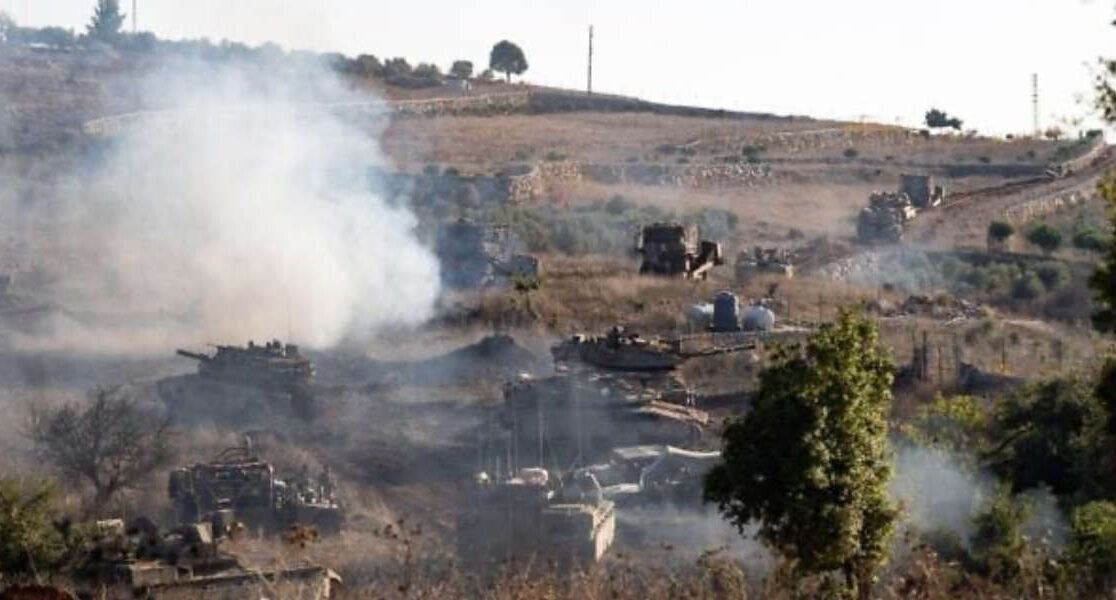
The death toll in Lebanon from ongoing Israeli strikes has surpassed 3,000, according to the country’s health ministry, marking a grim milestone in the conflict between Hezbollah and Israel that continues despite a fragile ceasefire agreement.
Health officials said at least 3,020 people had been killed by Monday as fighting intensified across southern Lebanon and other affected regions. The conflict escalated in early March after Hezbollah launched rockets into Israel following an Israeli strike that reportedly killed Iran’s supreme leader, dramatically increasing tensions across the Middle East.
Although both Lebanon and Israel agreed on Friday to extend their ceasefire by 45 days, violence has continued with repeated airstrikes and cross-border attacks. The truce, brokered by the United States, was intended to reduce hostilities and create conditions for renewed negotiations expected to begin in June.
Lebanese authorities say more than 400 people have died since the ceasefire first came into effect on 17 April, raising concerns that the agreement is rapidly weakening. Israeli officials have defended the strikes, saying they are targeting Hezbollah military operations and preventing the group from rebuilding its capabilities near the border.
Lebanon has strongly condemned the attacks, arguing that continued Israeli military operations undermine efforts by the Lebanese state to establish full authority over armed groups and maintain national stability. Government officials also warned that ongoing violence threatens to deepen the country’s humanitarian and economic crisis.
Residents in southern towns and villages have continued to flee areas affected by airstrikes, while hospitals struggle to cope with mounting casualties. Aid organizations have expressed concern over worsening living conditions and the growing number of displaced families.
Since the ceasefire extension was announced, Israeli strikes have reportedly hit multiple locations across southern Lebanon and the Bekaa Valley, killing dozens more people and damaging homes and infrastructure.
Diplomatic efforts are continuing behind the scenes, but analysts warn that the risk of a wider regional conflict remains high as tensions between Israel, Hezbollah and Iran-backed groups continue to escalate.







+ There are no comments
Add yours