






More than 270 climbers successfully reached the summit of Mount Everest in a single day this week, setting a new record for the highest number of ascents completed within 24 hours on the world’s tallest mountain. The achievement surpassed the previous record of 223 summits set in 2019 and has once again sparked debate over overcrowding and safety on Everest.
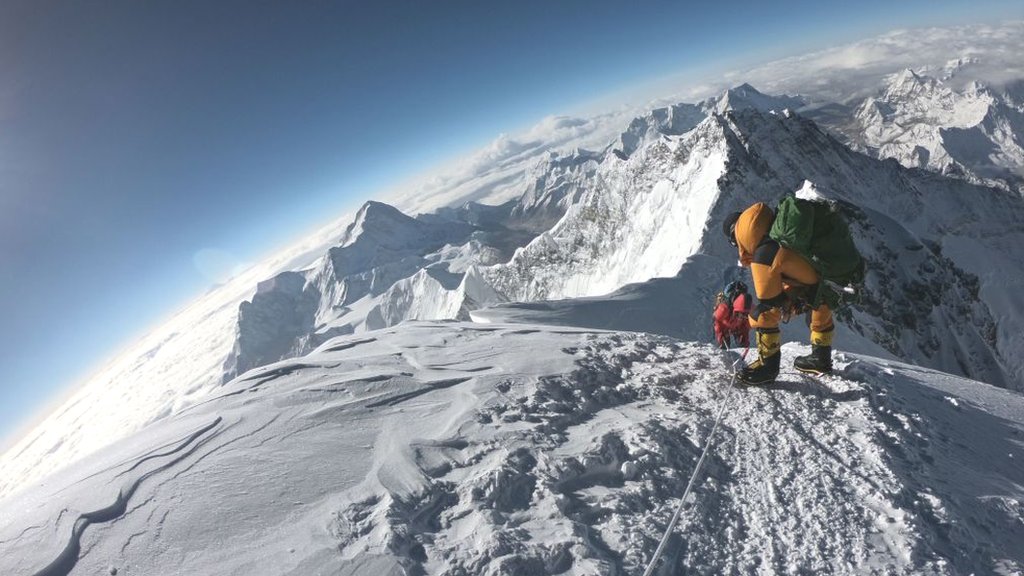
Nepal’s tourism authorities confirmed that favorable weather conditions and a short window of calm winds allowed hundreds of climbers and their guides to make their summit attempts simultaneously. Expedition operators described the day as one of the busiest in Everest’s history, with long lines of climbers forming near critical sections close to the summit.
While the record has been celebrated as a remarkable mountaineering achievement, experts and veteran climbers have warned that increasing traffic on Everest could create dangerous conditions. Concerns have been raised over congestion in the so-called “death zone” above 8,000 meters, where oxygen levels are critically low and delays can become life-threatening.
Images and videos shared by climbers showed crowded routes and queues stretching along narrow ridges near the summit. Critics argue that the growing commercialization of Everest expeditions has led to too many permits being issued each season, allowing inexperienced climbers to attempt the ascent with limited high-altitude experience.
Environmentalists have also expressed concern about the impact of rising climber numbers on Everest’s fragile ecosystem. Increased traffic has contributed to growing amounts of waste, abandoned equipment and pollution on the mountain despite cleanup efforts by the Nepalese government and expedition companies.
Tourism remains a major source of revenue for Nepal, and Everest permits generate millions of dollars each year. Officials defend the climbing industry, saying stricter safety regulations and improved coordination have helped manage larger crowds more effectively. However, mountaineering experts continue to call for tighter controls on permits and stricter qualification requirements for climbers attempting the ascent.
The new record highlights Everest’s enduring appeal among adventure seekers worldwide, but it has also renewed questions about balancing tourism, safety and environmental protection on one of the planet’s most iconic peaks.







+ There are no comments
Add yours