







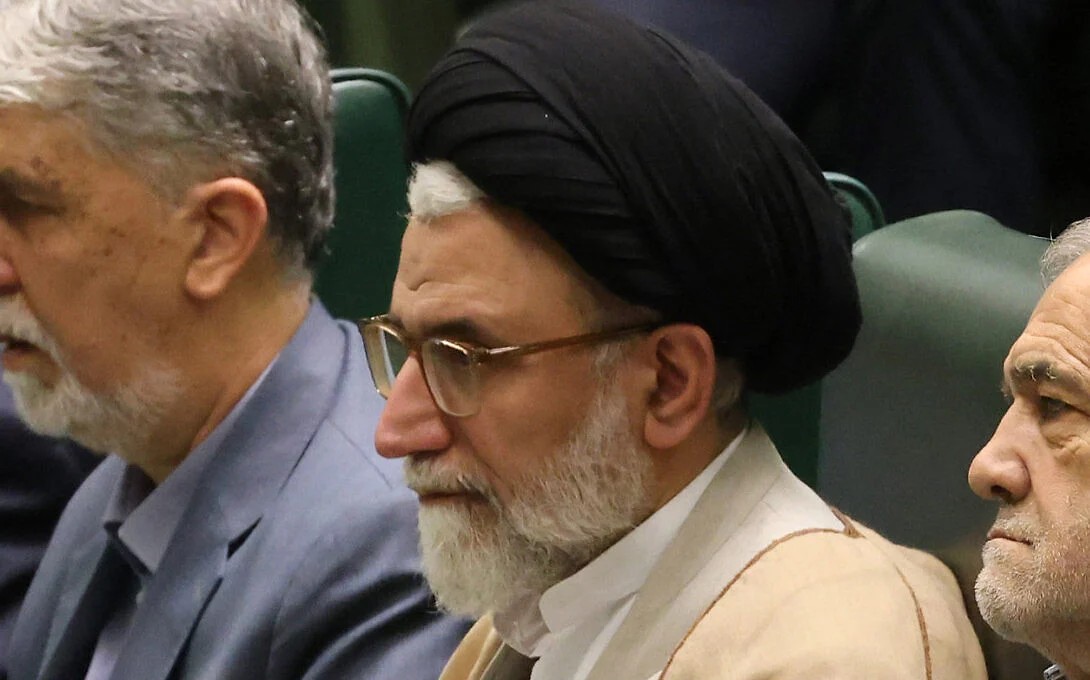
Israel announced that it killed Esmail Khatib in a targeted overnight airstrike on Tehran, escalating tensions in the already volatile Middle East. Israeli officials described the operation as a major blow to Iran’s intelligence capabilities and signaled that further high-level targets could be pursued in the coming days.
The strike is part of a broader campaign by Israel aimed at dismantling Iran’s military and intelligence leadership. Defense Minister Israel Katz said the operation was carefully planned and executed to limit civilian casualties while striking key figures in Iran’s national security apparatus.
Iranian authorities initially did not confirm the death, though reports later suggested that senior officials had been targeted in a coordinated series of attacks across the country. The killing of Khatib comes amid a wave of high-profile assassinations, indicating the scale and precision of Israel’s operations against Tehran’s leadership.
The escalation has intensified fears of a broader regional conflict. Iran has warned of retaliation against strategic targets, raising the possibility of further military confrontations. Previous exchanges between Israel and Iran have included missile and drone strikes, some causing casualties and damage to critical infrastructure, making the current situation highly volatile.
Analysts say that the targeting of Iran’s intelligence chief represents a significant escalation, striking at the core of the country’s security and operational capabilities. Khatib played a central role in coordinating intelligence activities, making him a pivotal figure in Iran’s leadership structure.
The impact of the strike is already being felt beyond the immediate conflict zone. Global markets have reacted to the heightened uncertainty, with concerns growing over potential disruptions to energy supplies. The Gulf region, home to vital oil and gas infrastructure, remains a key area of concern for international energy security.
The international community is closely monitoring developments, with calls for restraint to prevent further escalation. Despite diplomatic efforts, both sides have signaled a readiness to continue their actions, raising fears of a prolonged and wider conflict that could have far-reaching consequences for regional stability and global markets.
As the situation evolves, governments, businesses, and investors are watching closely for signs of further escalation or potential attempts at de-escalation in one of the world’s most strategically sensitive regions.







+ There are no comments
Add yours