



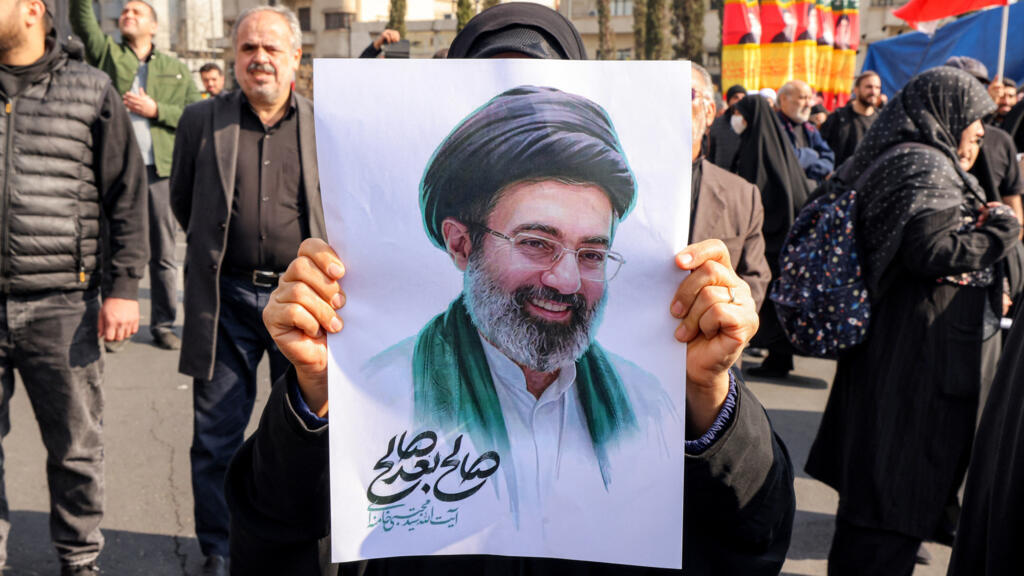
Mojtaba Khamenei has stepped into the spotlight of Iranian politics after being named the new supreme leader of Iran, following the death of his father, Ali Khamenei. The decision was made by the powerful Assembly of Experts, marking a significant moment in the country’s political history and signaling a continuation of the Khamenei family’s influence over the Islamic Republic.
At 56, Mojtaba Khamenei becomes one of the most powerful figures in the Middle East. The role of supreme leader is the highest authority in Iran, placing him in command of the country’s armed forces, judiciary, state broadcasting system and key political institutions. The position also gives him significant influence over Iran’s foreign policy and strategic decisions.
Although Mojtaba Khamenei has rarely appeared in public or held an official government position, he has long been considered a powerful figure behind the scenes. Over the years, he developed close ties with senior political figures and military leaders, particularly within the Islamic Revolutionary Guard Corps, which plays a crucial role in the country’s security and political structure.
Analysts say Mojtaba gained experience by working closely with his father during his decades-long leadership. He was believed to be involved in key political decisions and maintained influence within conservative clerical circles and security institutions. These connections helped build support for his leadership among powerful factions within the Iranian establishment.
However, his appointment has also sparked debate among observers and critics. Some analysts argue that the leadership transition resembles a hereditary transfer of power, something the Islamic Republic had originally opposed after the Iranian Revolution that ended monarchical rule in the country. Critics also question whether Mojtaba Khamenei possesses the same level of religious authority as previous supreme leaders.
Supporters, on the other hand, say his deep familiarity with Iran’s political system and his strong ties with key institutions could help maintain stability during a time of regional tension and domestic challenges. Iran currently faces economic pressures from international sanctions, political unrest at home and ongoing geopolitical rivalry in the Middle East.
As Iran’s new supreme leader, Mojtaba Khamenei now holds the ultimate authority in the country’s decision-making structure. His leadership will be closely watched both inside Iran and around the world as he navigates complex political, economic and security challenges that could shape the future direction of the Islamic Republic.


+ There are no comments
Add yours