







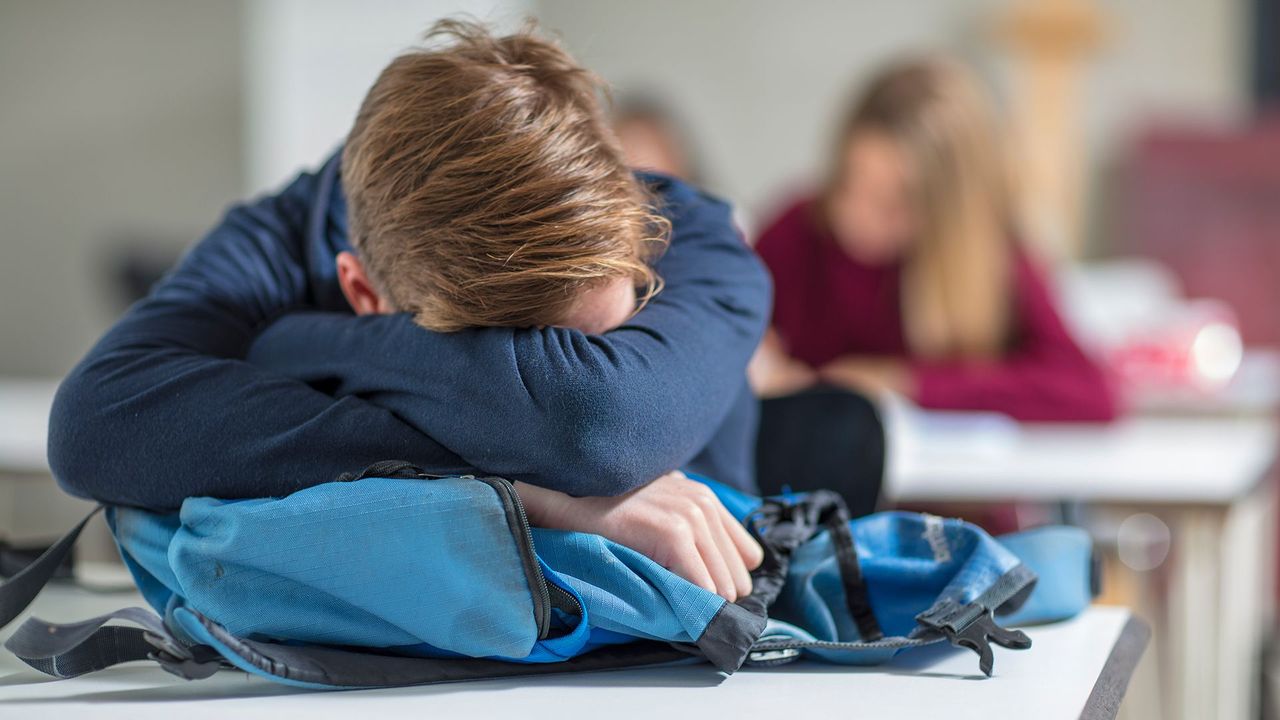
Teenagers around the world are sleeping less than ever before, and experts say the problem goes far beyond late-night phone use. New research in the field of Mental Health suggests that a complex mix of academic pressure, changing lifestyles, and biological shifts is contributing to a growing sleep crisis among adolescents.
Health specialists warn that insufficient sleep among teenagers has become a serious public health concern. Studies show that many teens are getting far less than the recommended eight to ten hours of sleep each night, a trend that has worsened over the past decade. While smartphones and social media are often blamed for late bedtimes, researchers say they are only one part of a much larger issue.
Teenagers naturally experience changes in their internal body clocks during puberty, a process known as a shift in circadian rhythm. This biological change makes adolescents feel alert later at night and tired later in the morning. However, early school start times often force students to wake up before their bodies are ready, resulting in chronic sleep deprivation.
In addition to biological factors, modern teenage life has become increasingly demanding. Many adolescents face intense academic expectations, extracurricular activities, and social pressures that keep them awake late into the night. Homework loads, exam preparation, and competitive school environments often reduce the time available for rest.
Mental health challenges are also closely linked to sleep problems. Anxiety, stress, and emotional struggles can make it difficult for teenagers to fall asleep or stay asleep. Experts say that poor sleep can worsen these conditions, creating a cycle where mental health problems and sleep deprivation feed into each other.
Lifestyle habits also play a role. Irregular sleep schedules, caffeine consumption, and lack of physical activity can all interfere with healthy sleep patterns. While electronic devices and social media can delay bedtime, researchers emphasize that focusing solely on phones oversimplifies the issue.
Sleep specialists say improving teen sleep will require broader solutions. Some education experts are calling for later school start times to better align with teenagers’ natural sleep cycles. Others stress the importance of promoting balanced routines that include regular exercise, reduced stress, and consistent bedtimes.
Parents and educators are also being encouraged to treat sleep as an essential part of adolescent health, similar to nutrition and physical activity. Adequate sleep is crucial for brain development, emotional stability, and academic performance.
As awareness of the issue grows, experts warn that addressing teen sleep deprivation is essential for protecting the mental health and well-being of the next generation. Without meaningful changes in schedules, expectations, and daily habits, the sleep crisis among teenagers may continue to deepen.









+ There are no comments
Add yours