






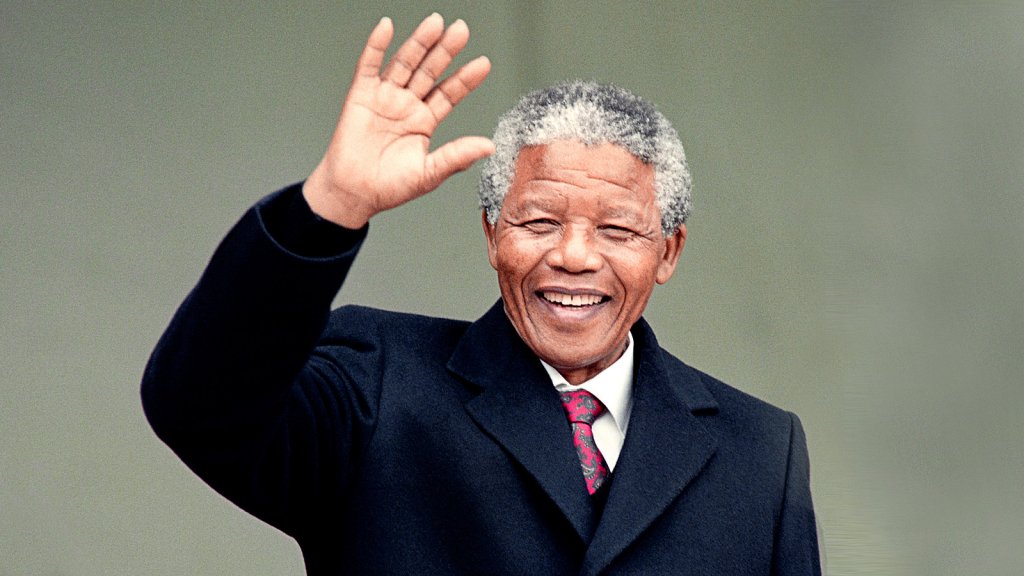
As wars rage across the Middle East and tensions escalate across the globe, one lesson becomes increasingly clear: the world needs visionary leadership more than ever. Nelson Mandela, the late South African leader renowned for his courage, empathy, and unwavering commitment to reconciliation, exemplifies the kind of leadership required to guide humanity through today’s crises.
Mandela’s approach to leadership was rooted in dialogue, moral courage, and the belief that even the most entrenched conflicts can be resolved through understanding and compromise. During South Africa’s apartheid era, he faced hatred, division, and imprisonment, yet he chose reconciliation over retaliation. His insistence on including all voices in the nation’s rebuilding process transformed South Africa and inspired the world, proving that leadership grounded in vision and humanity can overcome even decades of conflict.
If Mandela were leading today, he would approach global conflicts with the same principles. In a world dominated by airstrikes, political brinkmanship, and widespread civilian suffering, Mandela would prioritize dialogue over aggression. He would work to bring opposing parties together, address the root causes of tension, and build trust across divides. For him, sustainable peace is not achieved through force alone but through empathy, justice, and the courage to stand for human dignity.
Humanitarian concerns would also be central to Mandela’s strategy. He would ensure that civilians are protected, access to food, medical care, and education is maintained, and vulnerable communities are shielded from the worst effects of war. Beyond immediate relief, he would push for rebuilding social and political structures, creating conditions where peace could endure long after the fighting stops.
Experts say Mandela’s presence could fundamentally reshape how global conflicts are handled. Where today’s crises often focus on short-term tactical gains, his leadership would emphasize long-term solutions rooted in justice, compassion, and cooperation. His example shows that true leadership is not about power or dominance but about the courage to guide humanity toward coexistence, even in the face of enormous challenges.
Mandela’s legacy continues to serve as a guiding light. Imagining how he would navigate today’s conflicts challenges world leaders to rethink their priorities and consider the human cost of every decision. His life demonstrates that visionary leadership is not optional—it is essential for transforming conflict into cooperation, chaos into stability, and despair into hope.
In a time when wars and global tensions threaten millions, Mandela’s example reminds the world that visionary leadership can bridge divides, protect the innocent, and lay the foundation for lasting peace. His story stands as proof that, with the right leadership, even the most divided world can find a path toward harmony and hope.





+ There are no comments
Add yours