





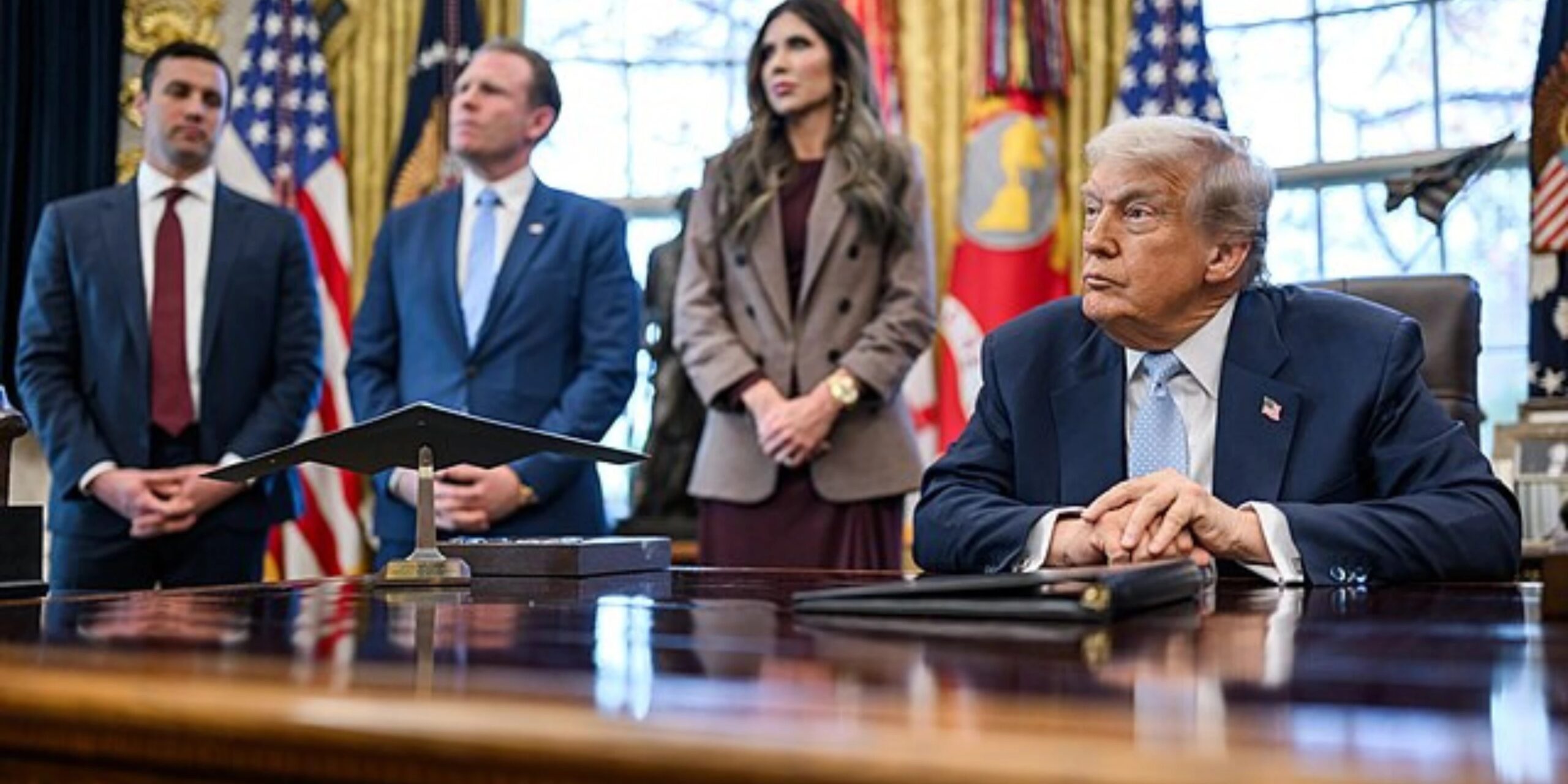
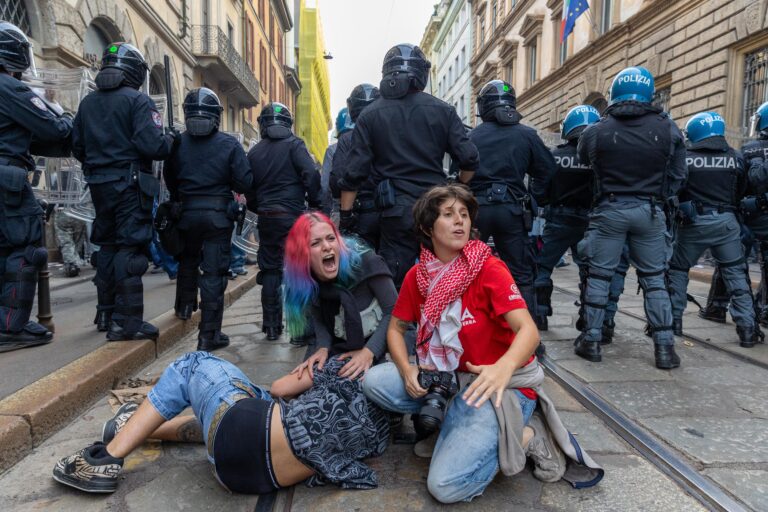
Recent federal decisions regarding protest management have sparked nationwide debate, as the Trump administration announced it will refrain from intervening in demonstrations in Democratic-led cities unless local authorities formally request federal assistance. The move marks a significant shift in federal policy and has drawn responses from lawmakers, legal experts, and community leaders alike, highlighting the persistent tensions over civil unrest, law enforcement, and the balance of power between local and federal governments.
The policy adjustment comes amid ongoing nationwide protests triggered by federal law enforcement actions, including controversial shootings by federal agents in Minneapolis that sparked public outrage and lawsuits. Advocates for civil liberties have welcomed the change as a step toward respecting local jurisdiction and limiting federal overreach, while critics argue that it could leave cities vulnerable during large demonstrations, potentially compromising public safety.
President Donald Trump defended the decision in a public statement, emphasizing the importance of local responsibility. “Cities and states should have the primary authority to manage events within their borders,” he said, adding that federal resources will remain available for emergencies if requested. The announcement has provoked responses along partisan lines, reflecting broader national divisions over federal intervention, policing, and the appropriate use of executive power.
Legal analysts note that the new policy raises complex questions about the balance of power between federal and state governments. While the change may reduce accusations of federal overreach, it also places greater pressure on city officials to maintain order during high-profile protests. Several Democratic mayors have already voiced concern about their capacity to manage large demonstrations without guaranteed federal support, warning that municipalities could be left scrambling during times of heightened tension.
The policy shift has also intensified political debate ahead of upcoming elections, with opponents arguing that it may embolden unrest, while supporters frame it as a move toward accountability and local governance. Social media platforms have amplified the conversation, as residents, journalists, and political commentators share opinions and experiences in real time, further fueling national discourse.
Despite differing perspectives, experts agree that the policy signals a notable change in how the federal government approaches domestic protest management. As cities and states navigate these changes, public attention remains focused on federal-local coordination and the administration’s ability to maintain public safety while respecting civil liberties. Analysts warn that the choices made now could have lasting implications for governance, public trust, and the country’s broader social fabric.




+ There are no comments
Add yours