





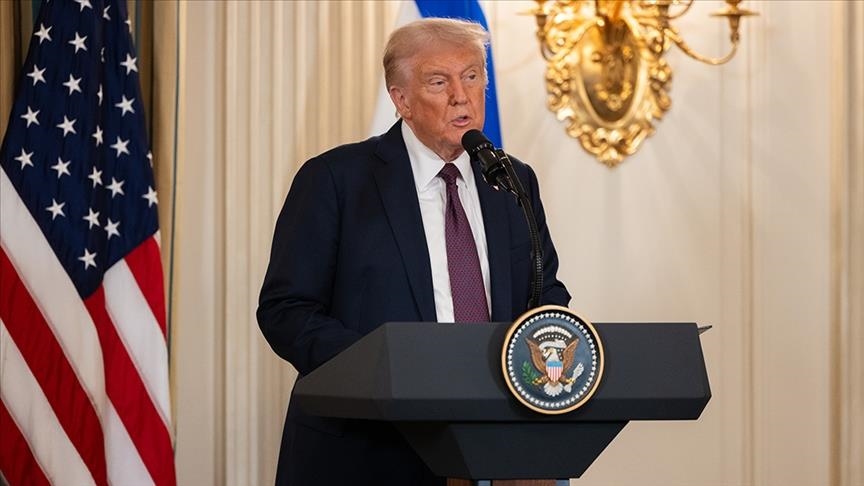
Former President Donald Trump’s actions continue to draw criticism worldwide, with analysts warning that his policies have complicated America’s role on the global stage. From trade disputes to diplomatic tensions, experts say his approach has left allies uncertain, rivals opportunistic, and the United States facing challenges in maintaining international influence.
Trump’s administration pursued aggressive trade policies, imposing tariffs on long-standing partners and reshaping economic relationships. While supporters argue these moves prioritized U.S. interests, critics say they disrupted global markets and strained alliances. Countries impacted by tariffs have sought alternative supply chains, signaling a shift in global trade dynamics that may persist for years.
Beyond economics, Trump’s decisions on international agreements have raised eyebrows. His withdrawal from climate accords, defense pacts, and multilateral initiatives drew concern from allies who relied on U.S. leadership. Experts warn that these gaps in global engagement have slowed coordinated efforts on climate change, security, and nuclear nonproliferation, leaving other nations to pick up the slack.
Trump’s high-profile crisis management style has also attracted scrutiny. Diplomatic efforts in regions such as the Middle East and North Korea were often marked by rapid announcements and media-driven messaging. Analysts say this approach, while politically effective domestically, sometimes undermined long-term strategic relationships and complicated negotiations with foreign governments.
Supporters maintain that Trump’s policies strengthened American sovereignty and prioritized domestic outcomes. Yet international opinion surveys reveal growing uncertainty among U.S. allies, who perceive American decision-making as unpredictable. This perception, analysts warn, could make future international cooperation more difficult, particularly on critical issues like security, climate, and global trade.
The debate over Trump’s global impact underscores the tension between domestic political priorities and international responsibilities. Policymakers now face the challenge of rebuilding trust with partners and recalibrating the United States’ role as a reliable leader on the world stage. Experts caution that without strategic adjustments, the perception of the U.S. as a burden in global affairs could persist, with lasting consequences for diplomacy, trade, and security.
As nations weigh the implications of Trump-era policies, the world watches closely, signaling that decisions made in Washington resonate far beyond U.S. borders and continue to shape the geopolitical landscape.




+ There are no comments
Add yours