




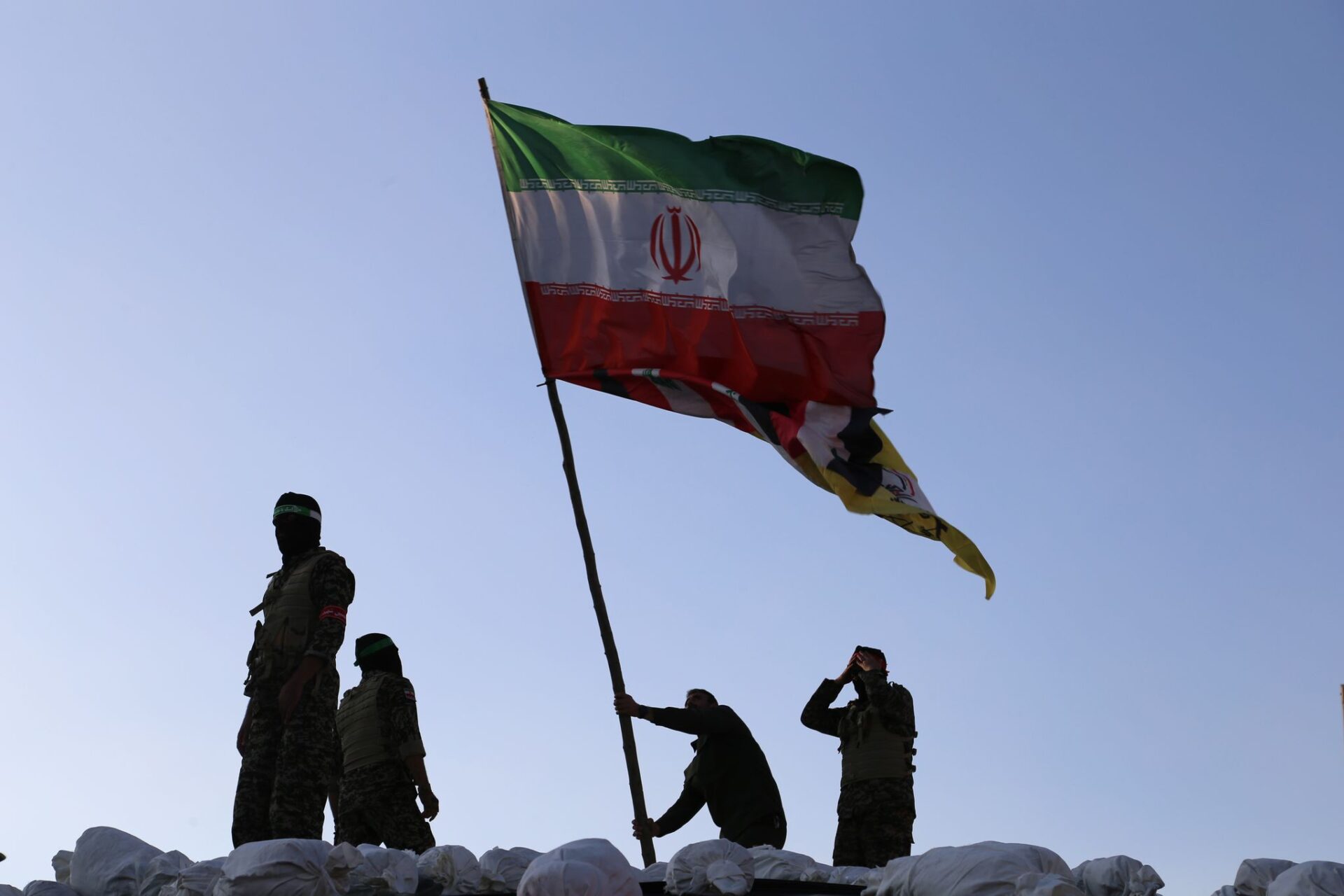
The European Union has formally designated Iran’s Islamic Revolutionary Guard Corps (IRGC) as a terrorist organisation, marking one of the strongest actions the bloc has taken against Tehran and significantly escalating tensions between the two sides. The decision, agreed by EU foreign ministers in Brussels, reflects growing concern over Iran’s human rights record and the powerful role played by the IRGC both inside the country and across the Middle East.
The IRGC, created after Iran’s 1979 Islamic Revolution, is a central pillar of the Iranian state, with wide-ranging influence over the military, economy and politics. European officials say the designation is a response to the group’s involvement in the violent suppression of protests in Iran, as well as its support for armed groups and destabilising activities beyond Iran’s borders.
By adding the IRGC to its terrorist list, the EU introduces far-reaching legal consequences across its member states. Any form of financial or material support to the group is now prohibited, assets linked to the organisation can be frozen, and individuals associated with it may face travel bans and criminal penalties. EU leaders described the move as a clear signal that serious human rights violations and repression would not go unanswered.
Iran has strongly condemned the decision, calling it politically motivated and warning of retaliatory measures. Iranian officials have accused the EU of interfering in the country’s internal affairs and suggested the move could further damage already fragile diplomatic relations, including efforts to address regional security and nuclear issues.
The designation brings the EU closer to the position long held by countries such as the United States and Canada, which have already classified the IRGC as a terrorist organisation. Supporters of the decision argue it strengthens accountability and aligns Europe’s actions with its stated values, while critics warn it may harden divisions and reduce space for dialogue at a time of heightened global instability.
As reactions continue to unfold, the EU’s move is widely seen as a turning point in its approach to Iran, with implications likely to be felt well beyond Europe’s borders.





+ There are no comments
Add yours