







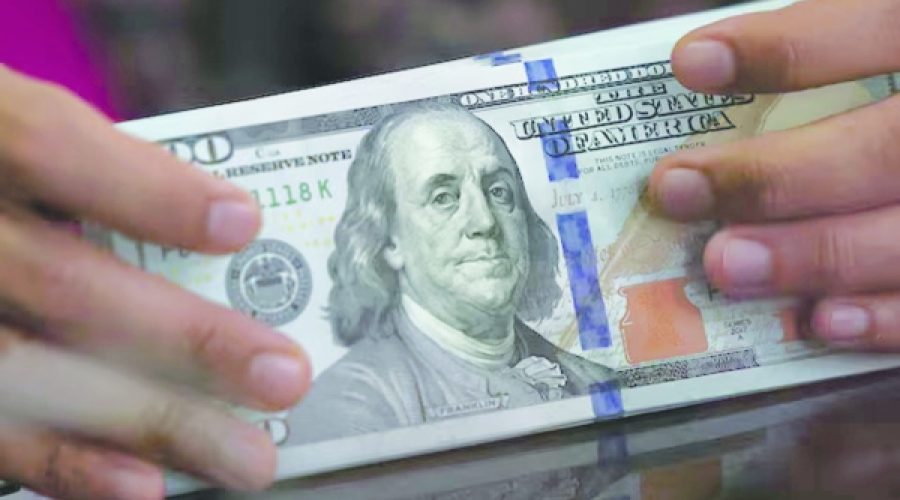
The U.S. dollar is experiencing renewed pressure, as investors reassess domestic policy shifts and rising geopolitical tensions. Analysts warn that the weakening greenback reflects growing uncertainty in both U.S. economic strategy and global markets, affecting investors, businesses, and international trade.
In recent trading, the dollar has declined against major currencies such as the Japanese yen and the euro. Financial experts attribute the decline to a combination of factors, including evolving monetary policy expectations, trade tensions, and investor concerns about the stability of the U.S. economic outlook. The fluctuations have heightened market volatility and prompted investors to diversify their portfolios into safer assets like gold and government bonds.
“The U.S. dollar’s recent softness is a reaction to both policy uncertainty and geopolitical developments,” said Michael Harris, a senior currency strategist at Global Finance Analytics. “Investors are evaluating the risks associated with potential tariff changes, international trade negotiations, and the broader economic policy direction. As a result, capital is shifting toward perceived safe-haven currencies.”
Geopolitical concerns, including ongoing disputes over tariffs and trade with key partners, have added further pressure on the dollar. Analysts note that any escalation in trade tensions could amplify the greenback’s volatility, influencing import-export dynamics, commodity pricing, and investment flows.
Despite the current weakness, some economists emphasize that the dollar remains a cornerstone of the global financial system. Its status as the world’s primary reserve currency provides resilience, even amid temporary fluctuations. “While the short-term outlook shows pressure, the long-term strength of the U.S. dollar remains intact,” noted Dr. Angela Martinez, an economist at the International Monetary Institute.
Financial markets are now closely watching upcoming economic indicators and policy announcements, which could determine whether the dollar stabilizes or continues its downward trend. Investors, businesses, and policymakers are all paying close attention to signals from Washington, as decisions on trade and fiscal measures may reshape market confidence in the coming weeks.
As the dollar navigates this period of uncertainty, the situation underscores how domestic policy choices and global risks are closely intertwined, affecting not just currency markets, but also global trade and investment strategies. The next few weeks are expected to be critical in defining the greenback’s trajectory.









+ There are no comments
Add yours