







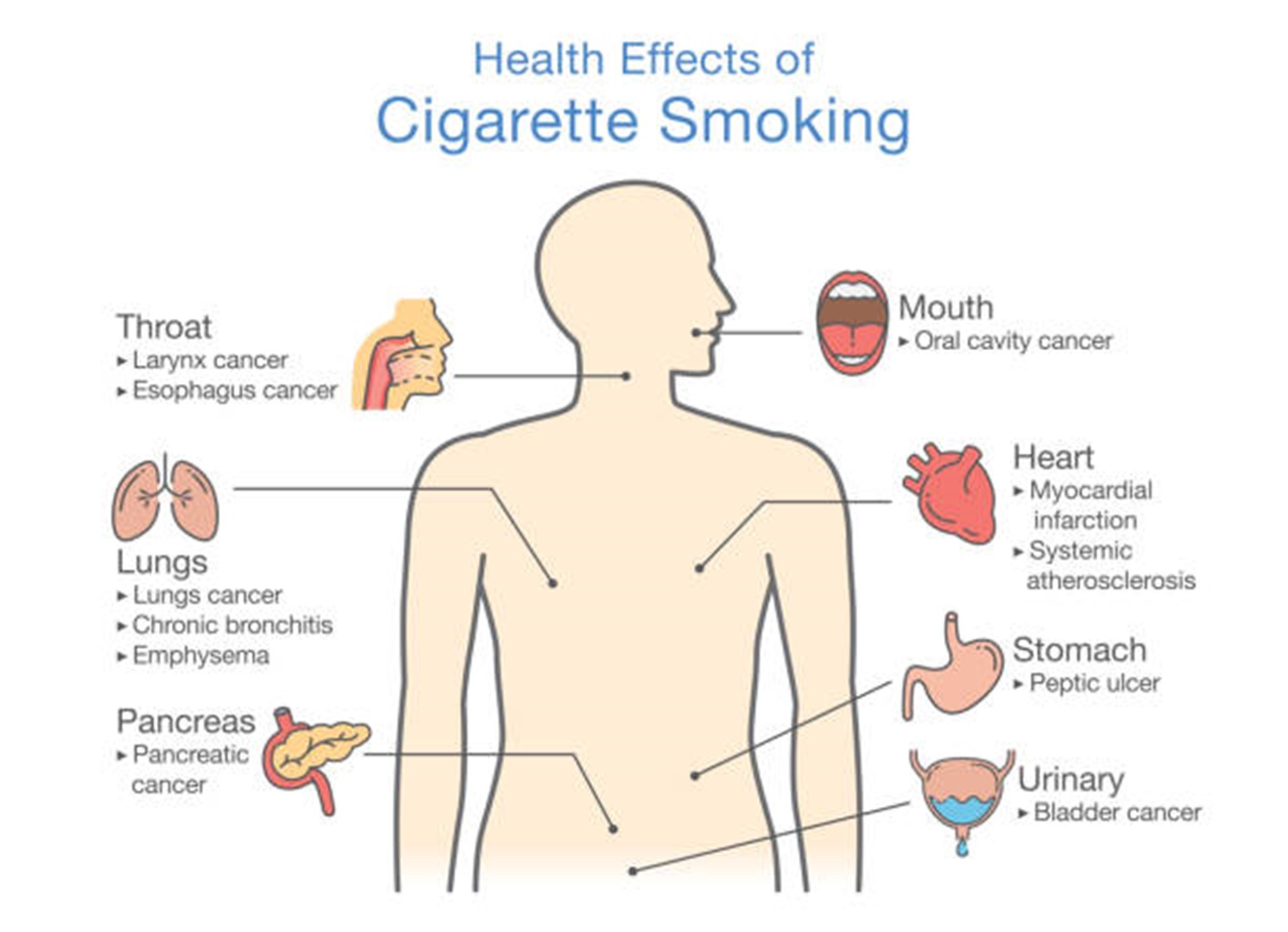
A new study has revealed that smoking could significantly increase the risk of developing long-term health complications, highlighting yet another lifestyle factor that may affect overall wellness. Researchers say that tobacco use may contribute to prolonged symptoms, including fatigue, shortness of breath, and chest pain, months after illness.
The research, conducted by health scientists in the United Kingdom, analyzed data from thousands of patients across different age groups and smoking histories. The findings show that smokers were more likely to experience lingering symptoms than non-smokers, even after accounting for other factors such as age, gender, and pre-existing conditions.
“Smoking affects lung function and the immune system, making it harder for the body to recover fully from viral infections or other health challenges,” explained Dr. Emily Clarke, lead researcher on the study. “Our analysis indicates that smokers face a higher likelihood of long-term complications, which adds another reason to consider quitting or reducing tobacco use.”
The study emphasizes that lingering symptoms can affect individuals regardless of age or the severity of their initial illness, and lifestyle choices may play a crucial role in mitigating the risk. Researchers noted that even light or occasional smoking could increase the odds of experiencing prolonged health issues.
Public health experts are urging smokers to be aware of the potential long-term consequences of tobacco use, particularly as new viruses and seasonal illnesses continue to circulate globally. Campaigns promoting smoking cessation may also serve as preventive measures against lingering health complications.
Beyond smoking, health authorities continue to encourage maintaining overall wellness through proper nutrition, regular exercise, and preventive medical care. Lifestyle changes that support lung health, cardiovascular fitness, and immune function can help reduce the likelihood of prolonged illness.
“Understanding the link between lifestyle habits and long-term health is essential,” said Dr. Clarke. “By making informed choices about smoking and other behaviors, individuals can take proactive steps to protect themselves from lasting impacts on their health.”
The study adds to growing evidence that lifestyle factors, alongside medical interventions, play a vital role in determining long-term health outcomes. Experts emphasize that quitting smoking now can have immediate benefits for recovery and overall well-being.











+ There are no comments
Add yours