






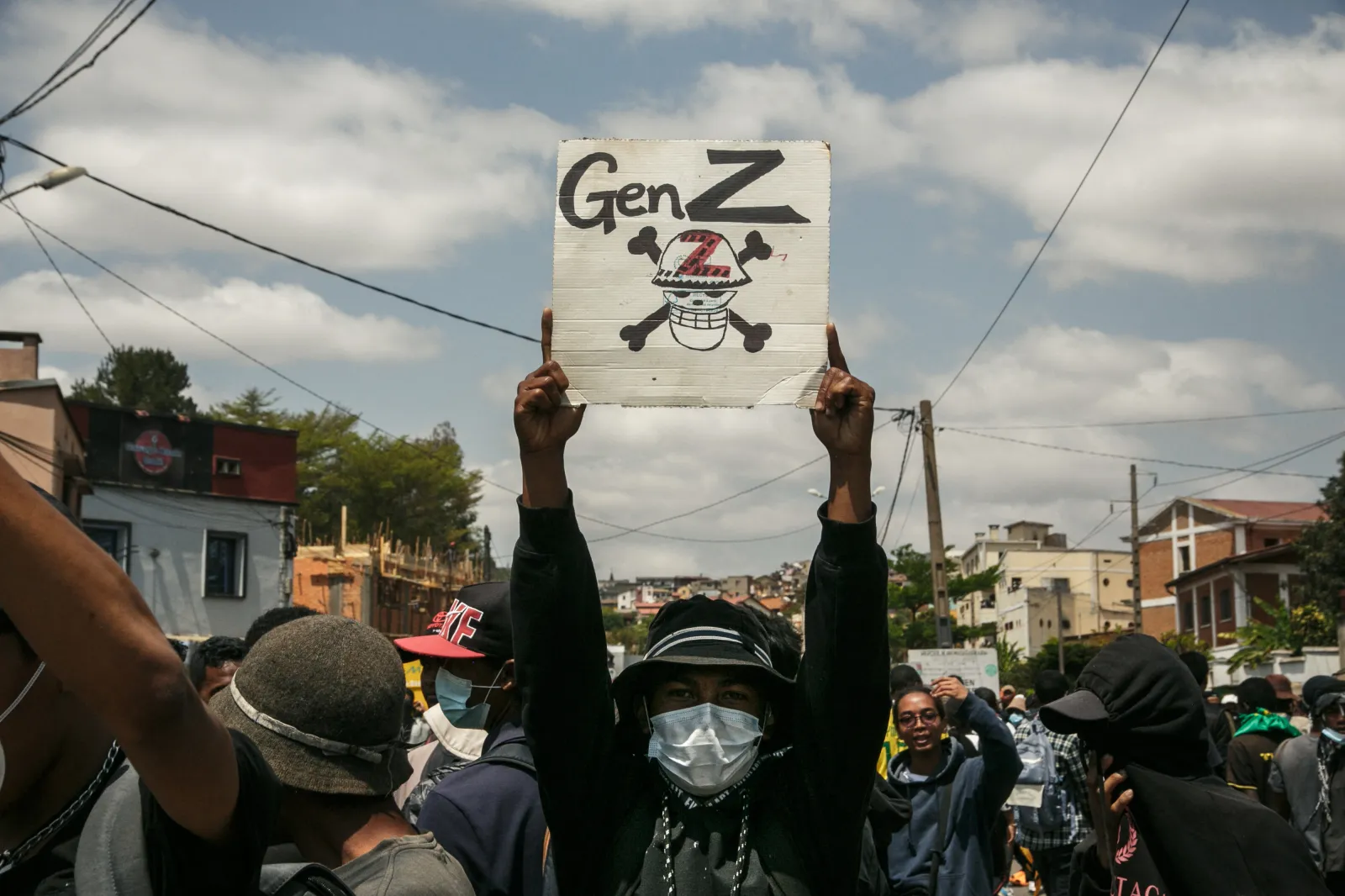
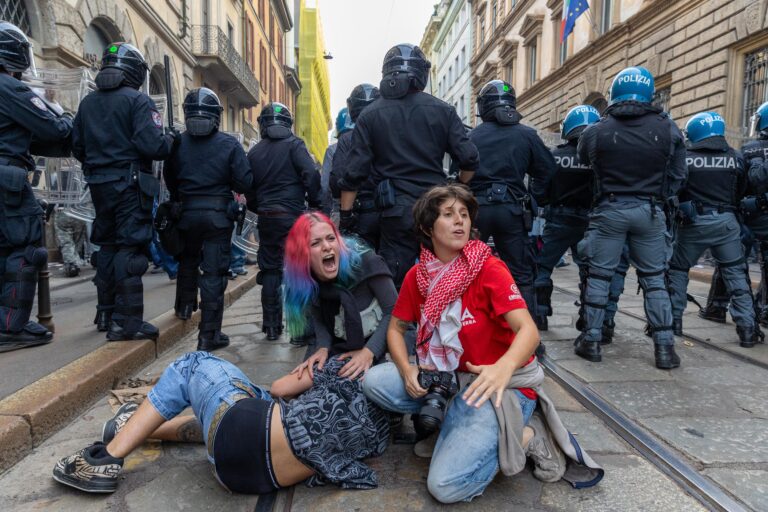
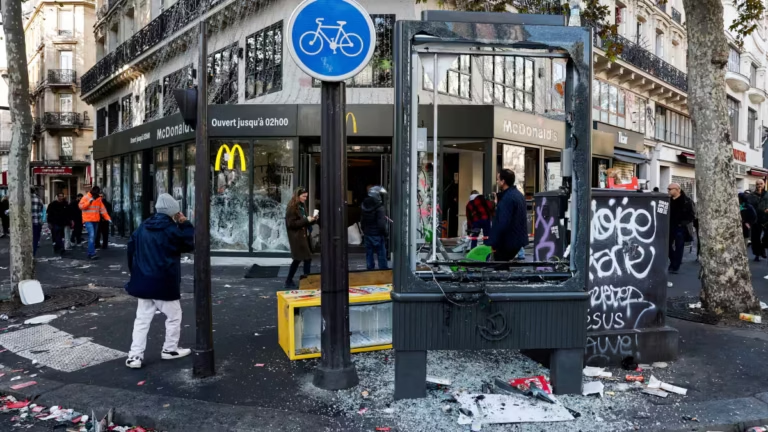
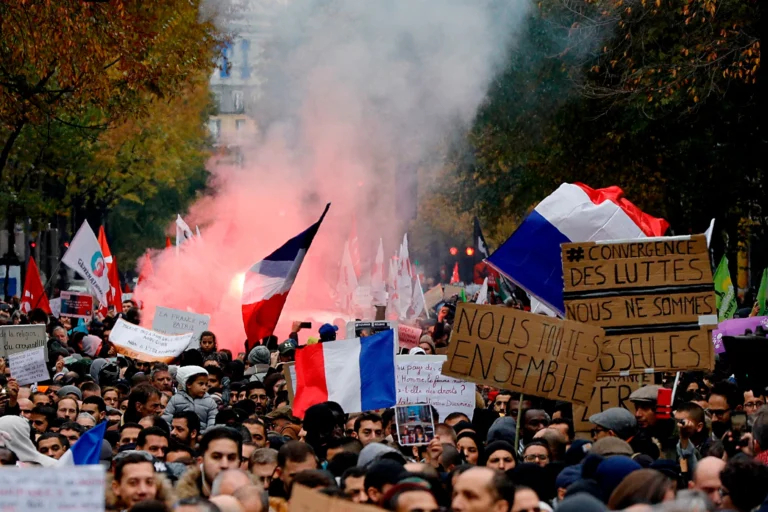
From the streets of Nairobi to the campuses of Paris, from city squares in Buenos Aires to online mobilizations across Asia, a clear global pattern is emerging: Gen Z is protesting, and it is doing so with urgency, anger, and determination. These protests are not isolated incidents or short-lived trends. They are symptoms of a deeper, shared frustration felt by the youngest generation of voters and workers in decades.
At the heart of this unrest lies a sense of betrayal. Many young people believe the political and economic systems they inherited are fundamentally broken. Rising living costs, unaffordable housing, student debt, climate anxiety, job insecurity, and widening inequality have combined to create a future that feels increasingly out of reach. For Gen Z, stability is no longer an expectation but a privilege.
Unlike previous generations, Gen Z grew up during overlapping crises: the global financial aftermath, a pandemic that disrupted education and work, accelerating climate change, and constant exposure to global conflict through social media. This has shaped a generation that is highly informed but deeply skeptical of traditional power structures. Governments promise reform, yet many young people see little change in their daily lives. Elections come and go, but wages stagnate and opportunities shrink.
What makes these protests distinctive is their decentralized nature. Gen Z does not wait for political parties or unions to lead. Organization happens online, through social platforms that allow rapid mobilization and global solidarity. A protest in one country quickly inspires another elsewhere, turning local grievances into international movements. This digital fluency gives Gen Z power, but it also reflects their lack of faith in established institutions.
Authorities often dismiss these demonstrations as immature or unrealistic. That response risks deepening the divide. History shows that ignoring youth movements rarely restores stability; it merely delays confrontation. Today’s Gen Z protesters are tomorrow’s voters, workers, and leaders. Their anger is not abstract—it is rooted in lived economic and social realities.
These protests are ultimately a warning signal. They reveal a generation demanding dignity, opportunity, and a voice in shaping the future. Whether governments choose to listen or suppress will help determine not only political stability, but the legitimacy of democratic systems in the years to come.





+ There are no comments
Add yours