







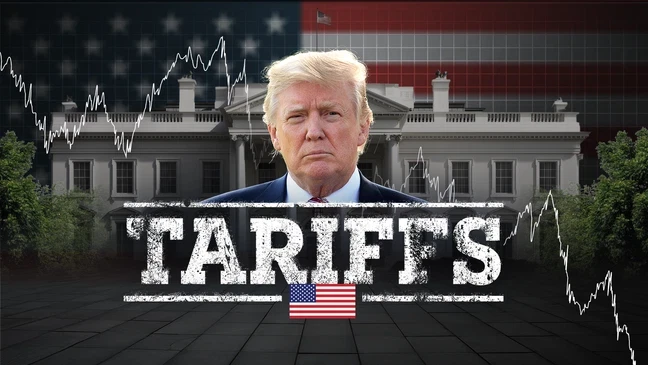
The global economy is facing a growing and dangerous threat as rising tariffs and trade barriers risk undermining growth, investment, and financial stability, the International Monetary Fund has warned. At a time when the world economy is still recovering from years of shocks, the IMF cautions that renewed protectionism could reverse fragile gains and push many countries toward slower growth or recession.
Governments across major economies are increasingly turning to tariffs as political and strategic tools, citing national security, domestic industry protection, and geopolitical rivalry. However, the IMF argues that these measures carry heavy economic costs. Higher tariffs raise prices for consumers, disrupt global supply chains, and reduce trade volumes, weakening productivity and business confidence worldwide.
The warning comes amid heightened trade tensions between major economic powers, with companies already adjusting supply chains to cope with uncertainty. According to the IMF, this fragmentation of global trade is particularly harmful for emerging and developing economies that rely heavily on exports for growth and employment. Smaller economies, with limited ability to absorb shocks, are especially vulnerable to sudden declines in global demand.
Businesses are also feeling the pressure. Increased tariffs create uncertainty that discourages long-term investment decisions, slows expansion plans, and raises operational costs. Multinational companies are forced to navigate complex and often unpredictable trade rules, making global commerce less efficient and more expensive. Over time, this reduces innovation and weakens overall economic dynamism.
The IMF stresses that the impact of rising tariffs extends beyond economics. Trade disputes often spill into diplomatic and political tensions, increasing the risk of broader instability. In a highly interconnected global system, economic fragmentation can quickly amplify regional problems into global crises.
While acknowledging domestic political pressures faced by governments, the IMF urges policymakers to resist short-term protectionist instincts. Instead, it calls for renewed international cooperation, targeted reforms, and dialogue to address trade imbalances without damaging the global economy.
As inflation pressures persist and growth remains uneven, the IMF’s message is clear: escalating tariff wars could become a self-inflicted wound. Without coordinated action to preserve open and predictable trade, the global economy risks entering a period of slower growth, higher prices, and deeper division.




+ There are no comments
Add yours