






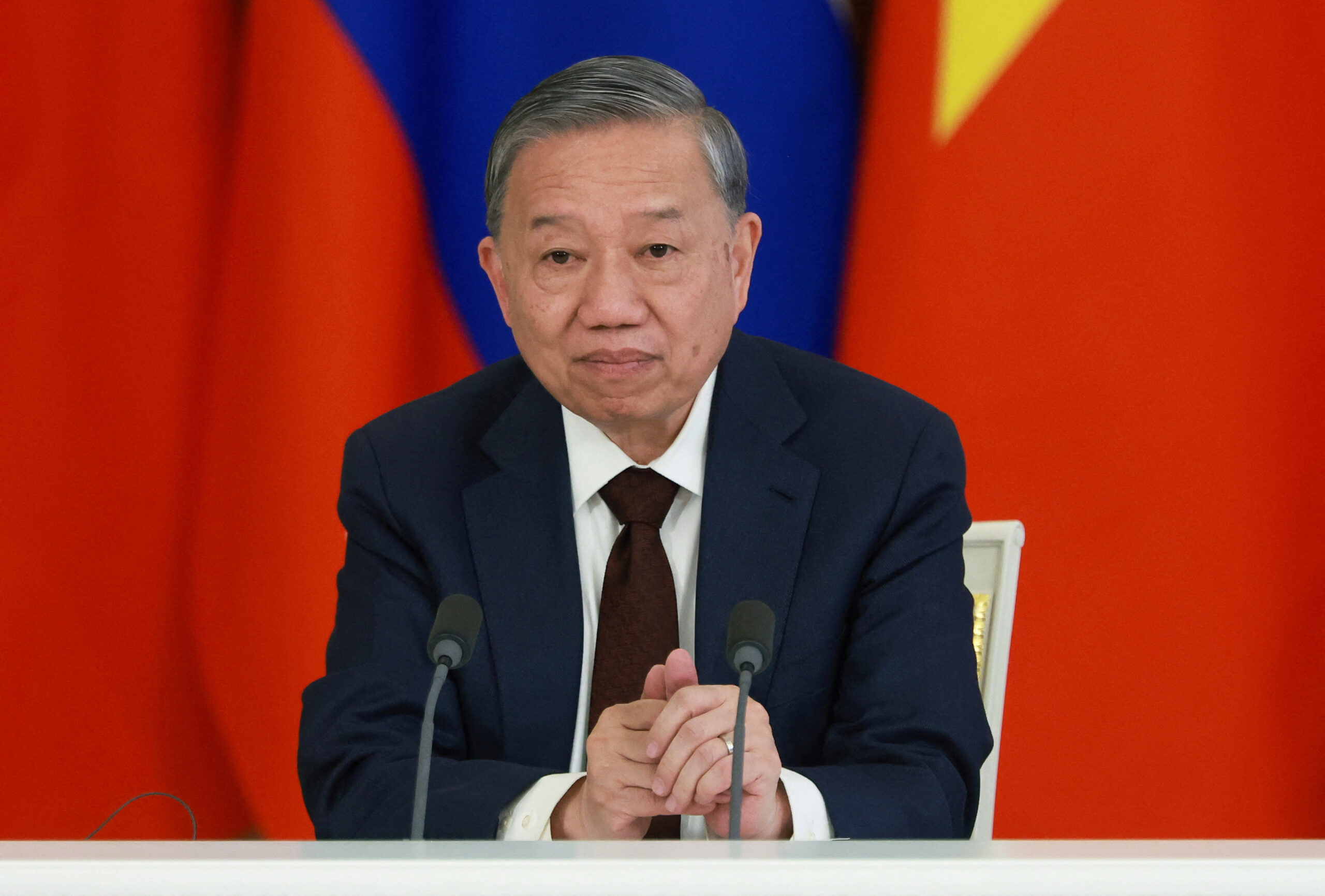
HANOI — Vietnam’s ruling Communist Party has convened its 14th National Congress, a landmark event that will determine the nation’s political and economic trajectory for the next five years and beyond. Party delegates, government officials, and top military leaders have gathered in Hanoi amid heightened global attention, as decisions made during the congress are expected to shape Vietnam’s position on the international stage through 2045.
The congress comes at a critical moment, with Vietnam navigating rapid economic growth, demographic shifts, and the challenges of global trade tensions. Analysts say the leadership selections and policy priorities established here will signal the party’s approach to balancing modernization, social stability, and international engagement.
During the opening session, party leaders emphasized unity, national development, and adherence to socialist principles while highlighting the need for innovation in industry, technology, and education. Foreign observers are watching closely to see whether the congress will promote younger leadership and reformist policies that could accelerate economic liberalization while maintaining political control.
Past congresses have historically set the blueprint for Vietnam’s governance, influencing everything from foreign investment policies to regional diplomacy. This year, delegates face the added pressure of managing a fast-growing economy in a competitive global environment, while addressing domestic expectations for improved public services, job creation, and social equity.
Political experts note that Vietnam’s leadership decisions will not only affect its domestic trajectory but also its relations with major global powers. With the U.S., China, and regional neighbors closely monitoring developments, the congress represents a rare opportunity for the country to project stability and assert strategic priorities in Southeast Asia.
As deliberations continue, the eyes of the nation — and indeed the world — remain fixed on Hanoi. The outcome of the congress will define Vietnam’s path for years to come, shaping the balance between tradition and reform, domestic governance, and international influence. For Vietnamese citizens, it is more than a political event; it is a defining moment that could determine the nation’s prosperity, security, and global stature in the decades ahead







+ There are no comments
Add yours