




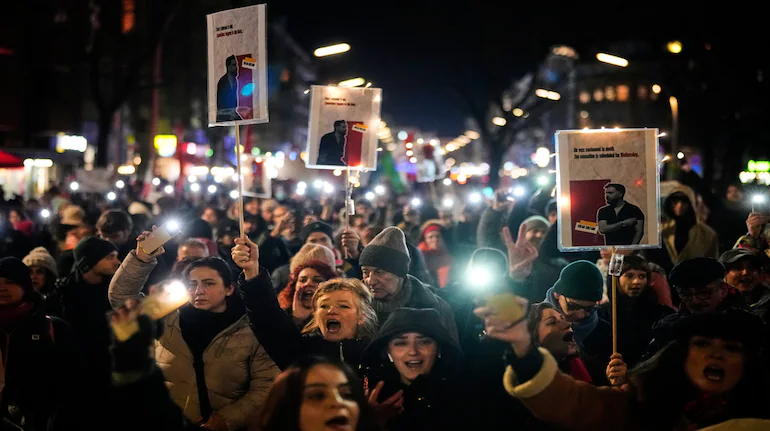
Thousands of Iranians who poured into the streets demanding political change now say they feel abandoned and deceived, as expectations of strong international backing — particularly from former U.S. President Donald Trump — failed to materialize. Protesters across major cities say rhetoric from abroad raised hopes of meaningful pressure on Tehran, but ultimately delivered little more than words.
The demonstrations, driven by economic hardship, political repression, and long-standing demands for greater freedoms, have continued despite a heavy security presence. Protesters describe a widening gap between foreign statements of solidarity and the reality on the ground, where arrests, internet restrictions, and force by security agencies persist.
Many demonstrators say Trump’s past public comments suggesting support for the Iranian people created an impression that decisive action would follow. Instead, they argue, global attention quickly shifted elsewhere, leaving protesters exposed to intensified crackdowns. “They spoke loudly, but when it mattered most, nothing happened,” said one protester in Tehran, speaking anonymously for fear of reprisal.
Human rights groups report hundreds of detentions in recent weeks, with activists and journalists among those targeted. Internet disruptions and tightened surveillance have made it increasingly difficult for protesters to organize or communicate with the outside world. Despite this, sporadic demonstrations continue, reflecting deep frustration with both domestic leadership and international actors.
Analysts say the sense of betrayal underscores a broader pattern in Iranian protest movements, where external encouragement raises expectations that are rarely matched by sustained diplomatic or economic pressure. Western governments have issued condemnations and imposed limited sanctions, but critics argue these measures fall short of influencing Tehran’s behavior.
Within Iran, the disappointment has sharpened public skepticism toward foreign political promises. Protesters stress that while international attention can amplify their cause, lasting change must ultimately come from within. “We learned the hard way that no foreign leader will fight our battles for us,” said another demonstrator in Shiraz.
As unrest continues into the new year, the movement faces mounting challenges: fatigue, repression, and dwindling hope for outside intervention. Yet many protesters insist their demands remain unchanged, even if their faith in international allies has faded. For them, the struggle is no longer about who speaks on their behalf abroad, but whether their voices can survive at home.


+ There are no comments
Add yours