





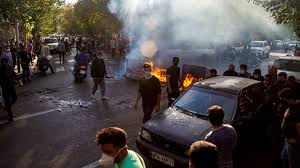
Iran’s recent wave of deadly violence against protesters has drawn sharp international condemnation and renewed scrutiny of the country’s power structure, with mounting evidence pointing to the state’s own security institutions as the driving force behind the crackdown. As demonstrations spread across major cities over economic hardship, political repression, and lack of civil freedoms, authorities responded with overwhelming force rather than dialogue.
According to human rights groups, the crackdown was carried out primarily by Iran’s security forces, including the Islamic Revolutionary Guard Corps, police units, and affiliated paramilitary groups. These forces were deployed nationwide with orders to suppress protests at all costs. Witnesses and leaked videos show security personnel firing live ammunition, using tear gas, mass arrests, and severe beatings against largely unarmed civilians. The use of force intensified as protests continued, suggesting a coordinated and centrally directed operation rather than isolated incidents.
Iranian officials have defended their actions by blaming “foreign enemies” for instigating unrest, claiming protesters were influenced or supported by outside powers. However, analysts and independent observers largely reject this narrative, noting that the protests were rooted in domestic grievances such as rising prices, unemployment, corruption, and long-standing restrictions on political and social freedoms. The government’s decision to impose internet shutdowns during the unrest further fueled accusations that authorities were attempting to hide the scale of the violence.
The country’s highest leadership has ultimate authority over the security apparatus, and critics argue that responsibility for the crackdown extends to the top levels of the state. While some officials have acknowledged loss of life, no transparent investigation has been launched, and families of victims report intimidation and pressure to remain silent. Courts have reportedly fast-tracked cases against detainees, raising concerns about due process and the risk of harsh sentences.
International reaction has included calls for accountability, sanctions against Iranian officials, and urgent appeals from human rights organizations demanding independent investigations. Despite this pressure, the Iranian government has shown little sign of changing course.
As the death toll continues to be debated and arrests mount, one conclusion is widely shared among rights groups and observers: the deadly crackdown was not the result of chaos or rogue actors, but a deliberate strategy by Iran’s state security forces to crush dissent and reassert control, leaving a deep scar on the nation’s political and social fabric.





+ There are no comments
Add yours