






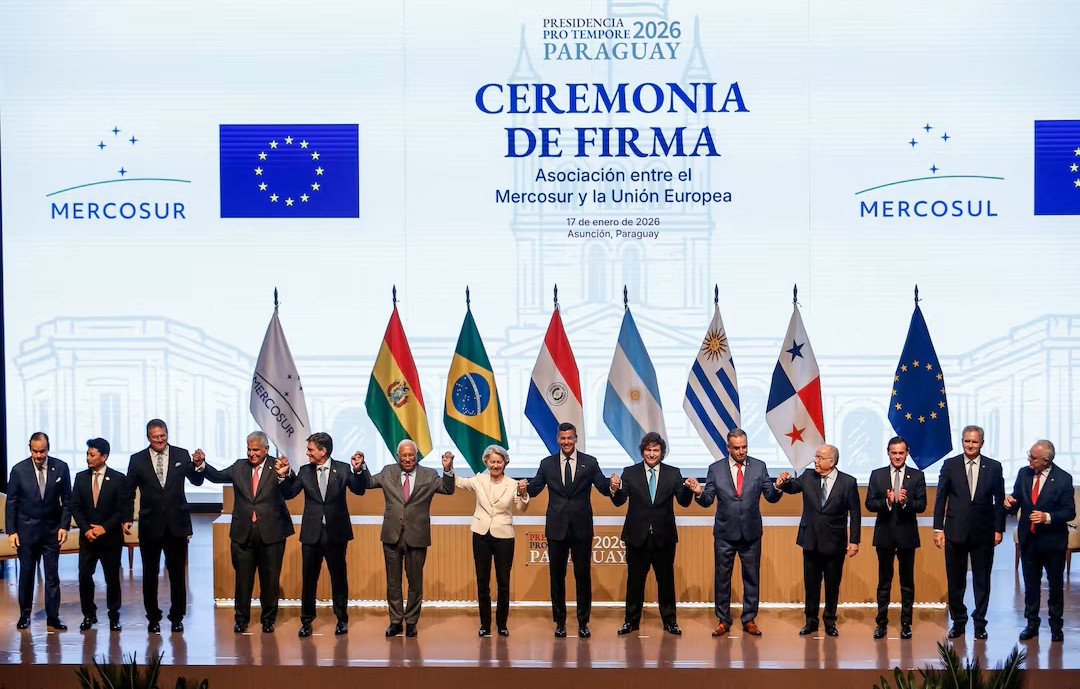
After more than two decades of complex and often stalled negotiations, the European Union and the Mercosur bloc have signed a landmark free trade agreement, marking one of the most significant trade breakthroughs in recent years. The deal brings together the EU and South America’s Mercosur group—Brazil, Argentina, Uruguay, and Paraguay—creating one of the world’s largest free trade areas at a time when global commerce is increasingly strained by tariff disputes and protectionist policies.
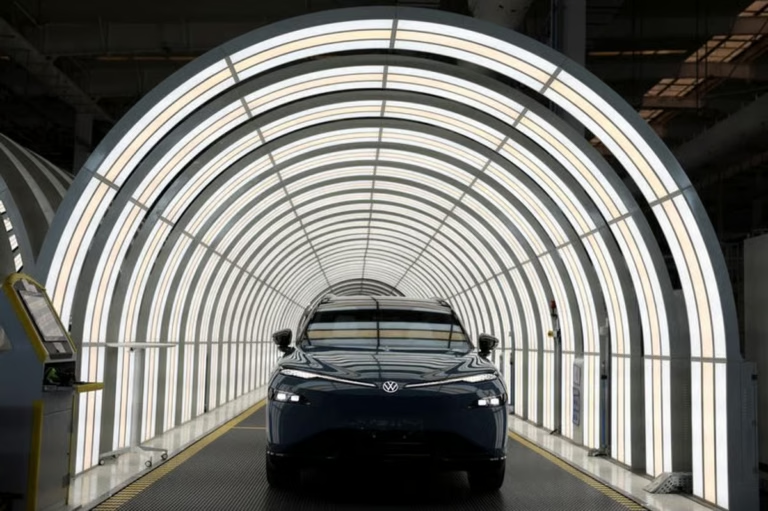
The agreement aims to eliminate or reduce tariffs on a wide range of goods, covering trade worth hundreds of billions of euros annually. European exporters are expected to gain improved access to South American markets, particularly for automobiles, machinery, chemicals, pharmaceuticals, and industrial equipment. In return, Mercosur countries will benefit from easier access to the EU market for agricultural products such as beef, poultry, sugar, ethanol, and soy-based goods, sectors that are critical to their economies.
Supporters of the pact say it will strengthen economic ties between the two regions, provide businesses with greater certainty, and diversify supply chains at a time of global economic uncertainty. EU officials have described the agreement as a strategic move to reinforce rules-based international trade and counter the fragmentation of global markets driven by geopolitical tensions and rising tariffs elsewhere in the world.
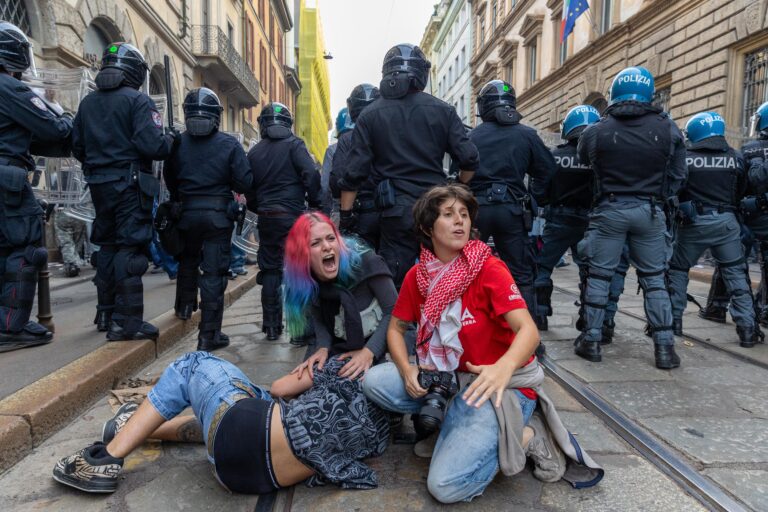
However, the deal has also faced criticism and opposition, particularly within parts of Europe. Environmental groups and some farming communities have raised concerns about deforestation in the Amazon, food safety standards, and the potential impact of cheaper agricultural imports on European farmers. In response, EU leaders have emphasized that the agreement includes commitments on environmental protection, labor standards, and sustainable development, arguing that engagement is a better tool than isolation to promote responsible practices.
For Mercosur nations, the pact is seen as a major opportunity to attract investment, modernize industries, and integrate more deeply into global value chains. Leaders in the region have hailed the agreement as a turning point that could boost growth, create jobs, and enhance competitiveness on the global stage.
While the signing marks a historic milestone, the agreement must still undergo ratification processes within EU member states and Mercosur countries, a step that could prove politically challenging. Nevertheless, the deal sends a strong signal at a time of global tariff tensions: major economies are still willing to pursue cooperation and open markets, underscoring the enduring importance of trade as a driver of economic stability and growth.




+ There are no comments
Add yours