







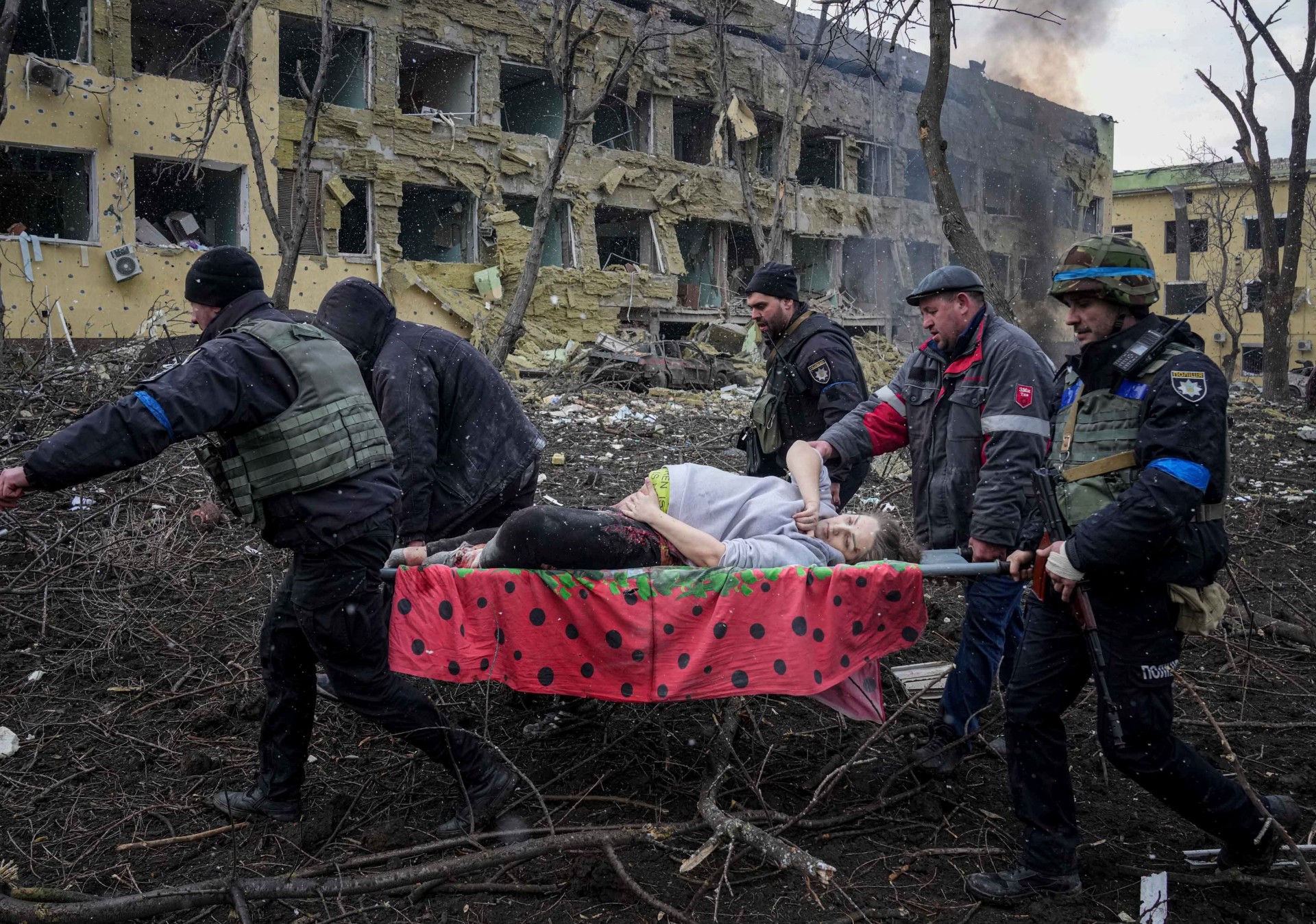
The Russia–Ukraine war continues to intensify, with fresh military strikes, infrastructure damage, and rising humanitarian concerns underscoring that the conflict shows no sign of abating. Fighting remains active along multiple fronts as both sides launch drone, missile, and artillery attacks, deepening the toll on civilians and critical facilities during the harsh winter months.
In recent developments, Russian forces have targeted Ukrainian energy and heating infrastructure, leaving large parts of the country struggling with power outages and reduced access to heat and water. Ukrainian authorities say the attacks are aimed at weakening civilian morale, particularly as freezing temperatures increase the risk to vulnerable populations. Emergency repair crews are working around the clock, but repeated strikes have made restoration efforts increasingly difficult.
Ukraine, meanwhile, has continued its counter-operations, including drone strikes on strategic targets inside Russian territory. These attacks have reportedly hit fuel depots and military-linked infrastructure, signaling Kyiv’s intent to disrupt supply lines and demonstrate its operational reach. Russian regional officials have acknowledged damage and temporary loss of essential services in border areas, adding to domestic pressure within Russia.
The humanitarian impact of the prolonged conflict is growing more severe. Millions of Ukrainians remain displaced internally or abroad, while those who stay face shortages of electricity, heating, and medical supplies. International aid agencies warn that winter conditions are worsening an already fragile situation, especially for the elderly and children. Calls for increased humanitarian corridors and ceasefire arrangements have so far failed to gain traction.
On the diplomatic front, global reactions remain divided. Western nations continue to reaffirm political, military, and economic support for Ukraine, while urging accountability for attacks on civilian infrastructure. Russia maintains that its actions are defensive and blames Western involvement for prolonging the war. Discussions at international forums, including the United Nations, have highlighted concerns about escalation but have produced no concrete breakthrough toward peace.
As the conflict enters yet another phase, the absence of meaningful negotiations suggests that the war may persist well into the coming months. For civilians on both sides, daily life remains shaped by uncertainty, disruption, and loss, while the wider world watches a conflict that continues to reshape regional security and global geopolitics.





+ There are no comments
Add yours