






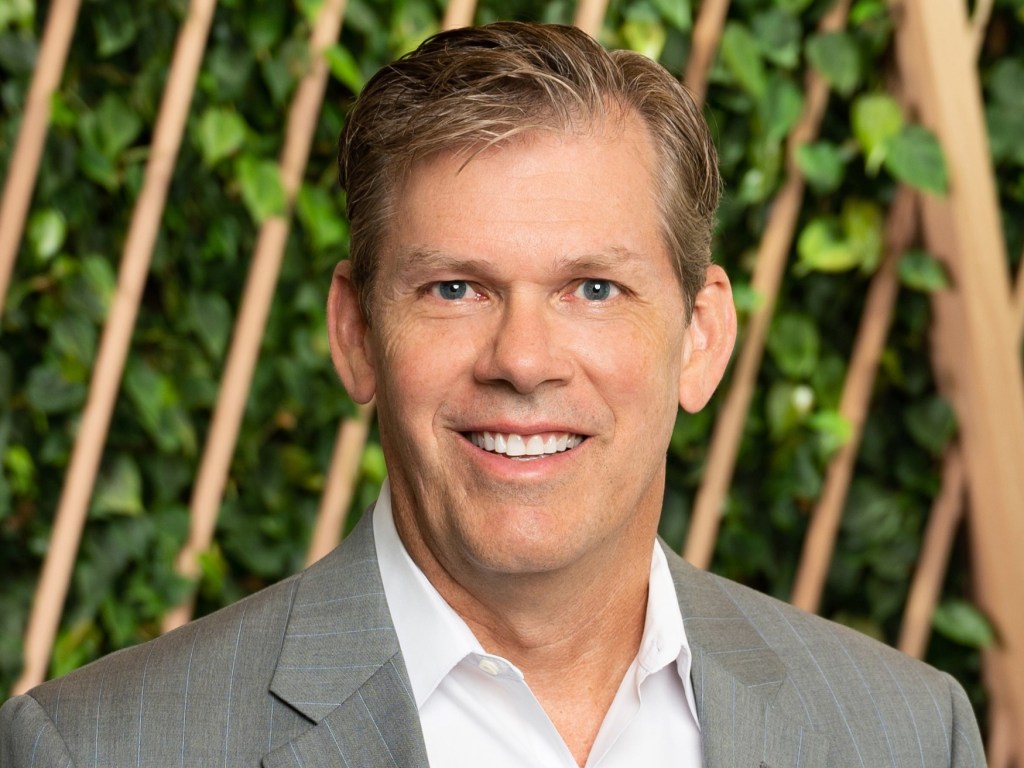
In an era where corporate leadership is often associated with corner offices, stock prices, and quarterly earnings calls, one CEO’s journey stands out for its humility, grit, and people-first philosophy. The chief executive of a $90 billion waste management giant didn’t begin his career behind a polished desk. Instead, he hauled trash, rode along on collection routes, and attended 1 a.m. safety briefings alongside frontline workers.
His story challenges a deeply rooted belief in modern business culture—that leadership is only about profits, margins, and shareholder value. As he puts it plainly: “It’s not always just dollars and cents.”
From the Ground Up: Learning the Business the Hard Way
Before leading one of the largest waste management companies in the world, the CEO spent time doing the jobs most people overlook. Long before boardrooms and earnings presentations, there were early mornings, heavy lifting, and safety meetings held in the dead of night.
These experiences were not symbolic. They were formative.
By working directly with sanitation crews, he learned how physically demanding and potentially dangerous the job could be. He saw firsthand why safety procedures mattered, why timing mattered, and why small operational decisions could mean the difference between a routine shift and a serious accident.
This ground-level exposure shaped how he would later lead the organization.
Why 1 A.M. Safety Briefings Matter More Than Boardroom Talks
In waste management, safety is not a corporate buzzword—it’s a daily necessity. Collection routes often begin before sunrise, and risks are constant: traffic, heavy machinery, weather conditions, and fatigue.
By attending 1 a.m. safety briefings, the future CEO sent a clear message: frontline workers matter.
These meetings weren’t about checking a box. They were about listening. Listening to drivers, loaders, and supervisors who understood the realities of the job better than anyone else. This habit of listening became a leadership principle that carried into his executive career.
Leadership Beyond Profits
As CEO of a $90 billion company, financial performance is undeniably important. Shareholders, analysts, and markets expect growth. But this leader consistently emphasizes that numbers alone don’t define success.
He believes sustainable profitability comes from:
A strong safety culture
Employee respect and retention
Operational discipline
Long-term thinking over short-term wins
When employees feel seen and protected, productivity improves naturally. Accidents decline. Turnover drops. Trust increases. The balance sheet benefits—but as a result, not as the only goal.
A Culture Built on Respect for Frontline Workers
Waste management is an essential service, yet the people who do this work are often invisible. This CEO worked intentionally to change that perception within the company.
By acknowledging frontline workers as the backbone of the business, he helped build a culture where dignity and accountability coexist. Employees weren’t just labor costs—they were partners in execution.
This cultural shift didn’t happen overnight. It required leaders at every level to understand the business from the ground up, not just from spreadsheets and reports.
Why This Leadership Story Resonates Today
In today’s corporate environment, there is growing skepticism toward detached leadership. Employees increasingly expect empathy, authenticity, and shared experience from those at the top.
This story resonates because it reflects:
Servant leadership in action
The value of operational experience
A rejection of purely profit-driven decision-making
Respect for essential workers
It also serves as a reminder that the most effective CEOs often understand the smallest details of their operations—because they’ve lived them.
Lessons for Aspiring Leaders and Professionals
There are powerful takeaways from this CEO’s journey that apply far beyond waste management:
Learn the business from the ground level
Leadership credibility is built through understanding real work, not just theory.
Respect creates results
When people feel valued, performance follows.
Safety and ethics are strategic advantages
They protect people and strengthen long-term profitability.
Leadership is presence, not position
Showing up matters—especially when it’s inconvenient.
Money is a metric, not a mission
Sustainable companies are built on purpose, not just profit.
“It’s Not Always Just Dollars and Cents”
That simple statement captures a philosophy many leaders forget as they climb higher. Businesses are run by people. Systems depend on trust. Long-term success depends on values.
The CEO of this $90 billion waste management company didn’t forget where he started—and that memory continues to guide how he leads. In a world obsessed with numbers, his story is a reminder that real leadership begins with people.
And sometimes, the best lessons aren’t learned in boardrooms—but at 1 a.m., standing shoulder to shoulder with the workers who keep the world running.










+ There are no comments
Add yours