






The Russia–Ukraine war stands as one of the most consequential conflicts of the 21st century, a war whose effects ripple far beyond the borders of the two nations. What began as a regional dispute has escalated into a global crisis, drawing the attention and intervention of world powers, while leaving a trail of human, economic, and political devastation across Ukraine and beyond. Its origins can be traced back to the collapse of the Soviet Union in 1991, when Ukraine emerged as an independent nation after decades of Russian-dominated rule. Over the years, Ukraine’s steady movement toward the West, including its aspirations to join the European Union and NATO, has been perceived by Russia, under President Vladimir Putin, as a direct threat to national security and regional influence.
In 2014, tensions erupted when Ukraine’s pro-Russian president was ousted and replaced by a pro-Western government. Russia responded swiftly, annexing the Crimea Peninsula and supporting separatist movements in eastern Ukraine, particularly in the Donetsk and Luhansk regions. What began as localized fighting soon became a persistent conflict marked by political tension and intermittent military clashes.
The war escalated dramatically on February 24, 2022, when Russia launched a large-scale invasion across multiple Ukrainian regions. While Moscow labeled it a “special military operation,” the international community widely condemned the act as unprovoked aggression. Ukrainian forces mounted a determined and organized resistance, bolstered by military, economic, and humanitarian support from the United States, European Union, and other allies, transforming the conflict into one of the most closely watched wars of modern history.
Russia’s motivations are complex and multi-layered. Deep concerns over NATO expansion and Western military presence near its borders, the desire to restore influence in Eastern Europe, historical claims linking Ukraine and Russia, domestic political considerations, and the goal of challenging Western dominance all converged to drive the invasion. For Ukraine, the stakes have been existential, with the nation fighting to preserve its sovereignty, territorial integrity, and political independence.
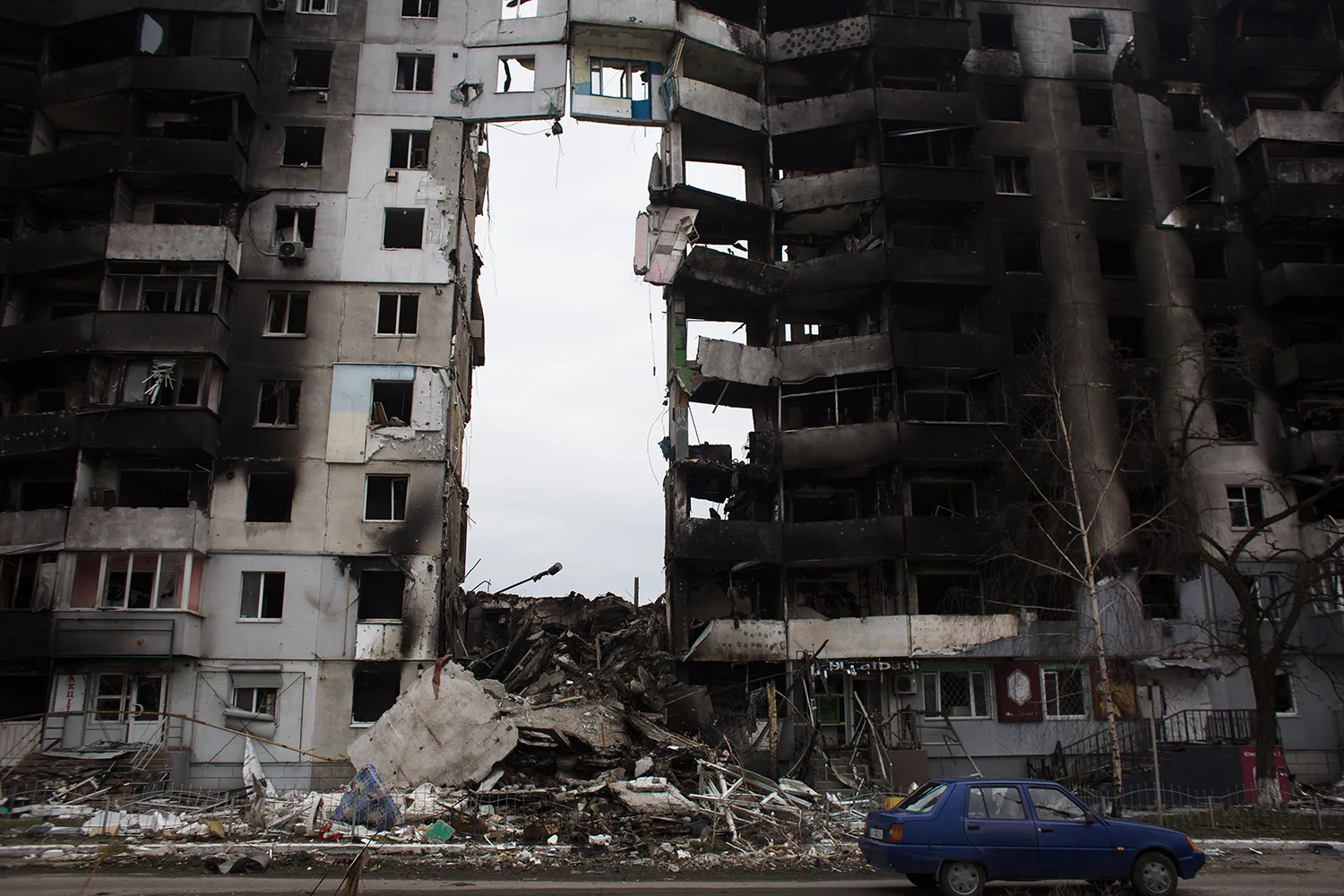
The human toll has been devastating. Thousands of civilians and soldiers have died, millions have been displaced, and Ukrainian cities and infrastructure have been severely damaged. Globally, the war has disrupted energy and food supplies, pushed up inflation, and affected economies worldwide. Ukraine, a major exporter of wheat and other agricultural goods, has seen its production and distribution severely impacted, sending shockwaves through food markets across the globe.
Geopolitically, tensions between Russia and Western nations have intensified, resulting in sweeping sanctions, increased military spending, and complex diplomatic standoffs. The war highlights the fragility of international law and the challenges of maintaining global peace in an increasingly multipolar world. Alliances are being tested, and nations are forced to reassess security and defense strategies.
Despite ongoing diplomatic efforts, the war remains unresolved. Territorial disputes, security guarantees, and the future of Russian-Ukrainian relations continue to challenge global leaders. The Russia–Ukraine war serves as a powerful reminder that regional conflicts can quickly escalate into global crises, shaping international relations, economies, and human lives for years to come. Its consequences will be felt for generations, emphasizing the urgent need for peace, diplomacy, and humanitarian support.




+ There are no comments
Add yours